White Sturgeon Diet
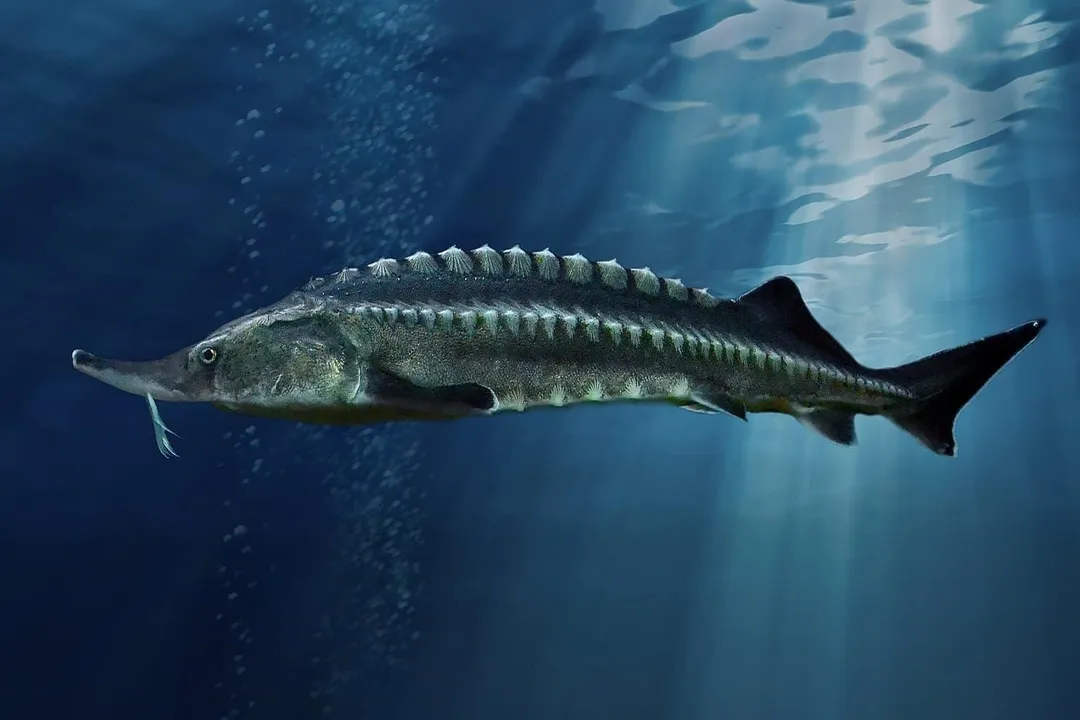
The life of the majestic White Sturgeon, an ancient inhabitant of West Coast waters, is intrinsically tied to what it finds on the riverbed. These massive fish are primarily benthic feeders, meaning they spend their lives scouring the bottom substrate for sustenance. [1][4] Unlike surface feeders, their entire feeding strategy revolves around sensing and consuming organisms that live in, on, or just above the river or bay bottom. [4] This fundamental preference for bottom-dwelling prey dictates their menu throughout their long lives, though the specific items on that menu shift dramatically as they grow from tiny fry into the largest freshwater fish in North America.
# Early Feeding
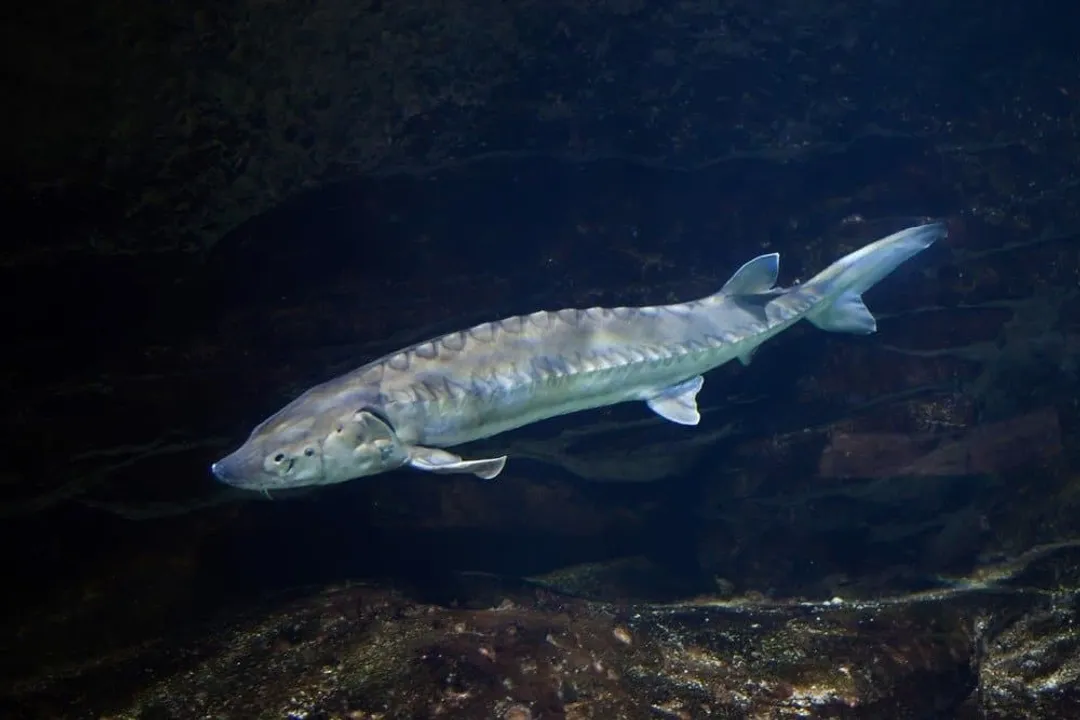
The earliest dietary phase for a White Sturgeon is dictated by sheer necessity and size constraints. Newly hatched sturgeon, often called larvae or fry, are initially sustained by their yolk sacs. Once that energy reserve is depleted, they transition to feeding in the water column. At this nascent stage, their diet consists primarily of the smallest available prey: microscopic organisms like zooplankton. [1][4] This planktonic diet is crucial for providing the initial burst of energy required for rapid growth before they can physically manage larger, more substantial food items. [4] As they grow slightly larger, moving into the juvenile phase, their diet broadens to include slightly larger benthic invertebrates and insect larvae that are still small enough for their developing mouths to process. [1]
# Adult Menu

Once the White Sturgeon reaches a significant size, its dietary composition undergoes a substantial transformation, reflecting its capacity to consume much larger prey items. [1] The focus shifts almost entirely from tiny drifting organisms to larger, more energy-dense benthic and demersal life. [4] In many river systems, such as the Fraser River, the diet becomes heavily dominated by fish species. [1] This often includes slow-moving or bottom-dwelling fish like sculpin, as well as schooling species like smelt or juvenile herring when available. [1]
However, fish are not the only staple. Crustaceans form a significant portion of the diet in many habitats. [2][4] Crayfish are a particularly favored food source in areas where they are plentiful, offering a high-protein meal. [1][4] Beyond these, mollusks, including various clams and mussels found buried in the sediment, are regularly consumed, as are larger insect larvae and other aquatic invertebrates. [1][9] It is interesting to note that while they are known primarily for eating living prey, like many bottom feeders, they are not above opportunistically scavenging dead or dying organisms found on the substrate, making them effective bottom-line recyclers in their environment. [4]
# Prey Diversity
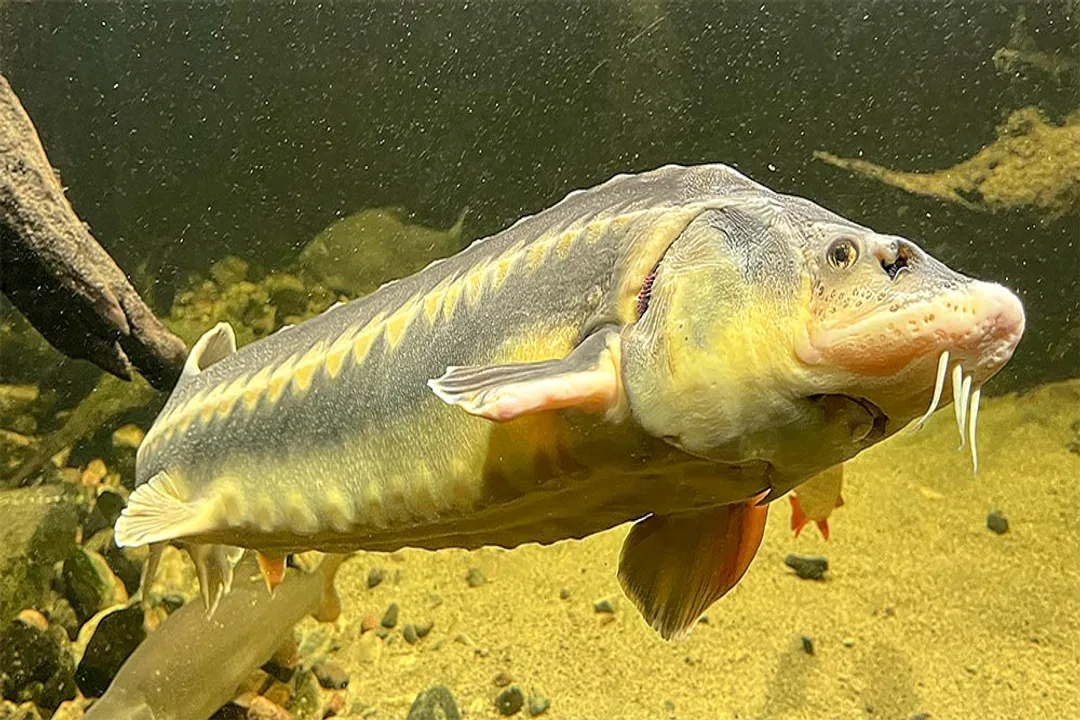
The actual composition of the White Sturgeon's diet is a direct reflection of what is locally abundant within its specific habitat, whether it's a large river or an estuarine environment. [2][4] Researchers studying the diet of these fish often find noticeable variations depending on the geographic area and the season. [4] For instance, a sturgeon residing in a pristine, cold river system might rely more heavily on specific salmon eggs or smaller resident trout, whereas one inhabiting a brackish estuary might show a higher percentage of crabs or marine shrimp in its gut content analysis. [1][2]
The following table summarizes generalized feeding preferences across life stages, highlighting the shift in preferred prey size and type:
| Life Stage | Primary Food Source Category | Examples of Prey | Feeding Location |
|---|---|---|---|
| Larval/Fry | Planktonic Organisms | Zooplankton | Water Column |
| Juvenile | Small Benthic Invertebrates | Insect larvae, small worms | Near/On Substrate |
| Adult | Larger Invertebrates & Fish | Crayfish, Clams, Sculpin, Smelt | Substrate Surface/Buried |
Considering the incredible lifespan of the White Sturgeon—some living for over a century—the cumulative impact of their feeding habits on local invertebrate and small fish populations is considerable. An established, mature sturgeon can consume a substantial volume of prey over a year, acting as a major regulator of benthic communities where they reside. [4]
One observation worth noting, particularly for those managing or studying these populations, is the role of sensory input in their feeding success. Lacking sharp eyesight in the often murky, turbid waters they frequent, White Sturgeon rely heavily on chemoreception (taste/smell) and lateral line stimulation to detect prey hidden in the mud or sand. [4] This means that the palatability or chemical signature of potential food might be just as important as its physical presence in determining what they actively pursue. If a particular clam species releases more detectable chemical cues than another burrowing species, the sturgeon will likely target the former, even if both are present in equal numbers.
# Habitat Influence
The environment fundamentally shapes the diet, often overriding individual preference. White Sturgeon are known to inhabit both freshwater rivers and saltwater or brackish areas. [2] In the lower reaches of major river systems, particularly where they enter the ocean, their feeding ecology overlaps with that of marine species. [2] Here, the availability of anadromous fish species returning to spawn, like various species of salmon or the migratory Pacific lamprey, becomes a crucial, energy-rich component of the adult diet. [1]
In contrast, for landlocked populations, such as those in reservoirs or certain reaches of rivers isolated from ocean runs, the diet remains largely composed of resident invertebrates and freshwater fish species. [4] For example, studies on some populations indicate a high reliance on mussels or amphipods when migratory fish are absent or inaccessible. [4] This adaptability—the ability to pivot from a diet dominated by crustaceans in one season to one dominated by small schooling fish in another—is a key survival mechanism for this species. [1]
Another critical factor influencing diet is seasonal availability. While the long-term staple prey items remain consistent, feeding intensity and specific prey selection fluctuate throughout the year. During periods of high energy demand, such as before spawning migrations or during rapid growth phases, sturgeon will prioritize the highest-calorie prey available, often larger fish or crustaceans. [1] When resources are scarcer, they will shift to smaller, less energy-rich benthic items they can still locate effectively. [4]
A point of management concern often arises when non-native or invasive species become prevalent in the sturgeon's environment. If an introduced species provides an easy, abundant food source, the sturgeon may temporarily incorporate it heavily into its diet. Conversely, if an invasive species outcompetes native prey, the sturgeon's established diet may be severely constrained, forcing them to expend more energy finding adequate nutrition. [4] This highlights that the diet isn't just about what they eat, but how efficiently they can acquire it. [4] Observing dietary shifts in long-lived species like the White Sturgeon can sometimes serve as an early indicator of significant ecological change within their ecosystem, acting as a biological barometer for the health of the benthic community. [2] This is an actionable tip for field biologists: monitoring gut contents of recaptured sturgeon can offer a rapid snapshot of the immediate, dynamic health of the riverbed food web, offering more immediate data than lengthy invertebrate sampling might provide.

# Feeding Mechanics
The physical mechanism of feeding for the White Sturgeon is specialized for bottom-dwelling. They possess a protrusible, subterminal mouth situated on the underside of the head. [4] This positioning allows them to suck or vacuum up food directly from the substrate surface or even draw it out of the mud or gravel. [4] They are not active pursuit predators in the open water column in the way a salmon might be. [4] Instead, their feeding is characterized by slow, methodical movements along the bottom, using their sensitive barbels—whisker-like organs near the mouth—to detect the subtle chemical and tactile signatures of buried or obscured prey. [4] When a suitable target is located, the process involves a rapid extension of the mouth cavity, creating negative pressure to engulf the food item whole, often along with some surrounding sediment, which is then filtered out before swallowing. [4]
This reliance on sensory detection close to the bottom means that sediment disturbance, pollution that impacts chemoreception, or physical changes to the substrate—like dredging or heavy siltation—can directly impact their ability to find food, even if the actual prey biomass remains unchanged. [4] A turbid environment isn't necessarily a starvation environment for a sturgeon, but one where the bottom composition is unfavorable or masked will certainly hinder their foraging success.
Related Questions
#Citations
Fraser River White Sturgeon Diet - Cascade Fishing Adventures
White Sturgeon Enhanced Status Report - Marine Species Portal
White sturgeon | Animals - Monterey Bay Aquarium
White Sturgeon - California Fish Species - California Fish Website
[PDF] White Sturgeon - Idaho Fish and Game
[PDF] Diet of First-Feeding Larval White Sturgeon, Lower Columbia River
Recent advances in sturgeon nutrition - PMC - NIH
What Do Sturgeon Eat? A Complete List of the Food They Eat
Life Cycle Of The Fraser River White Sturgeon