What type of woodland structure is frequently avoided by the Wryneck during its time in the Palearctic?
Answer
Deep, dense forests or closed-canopy forests.
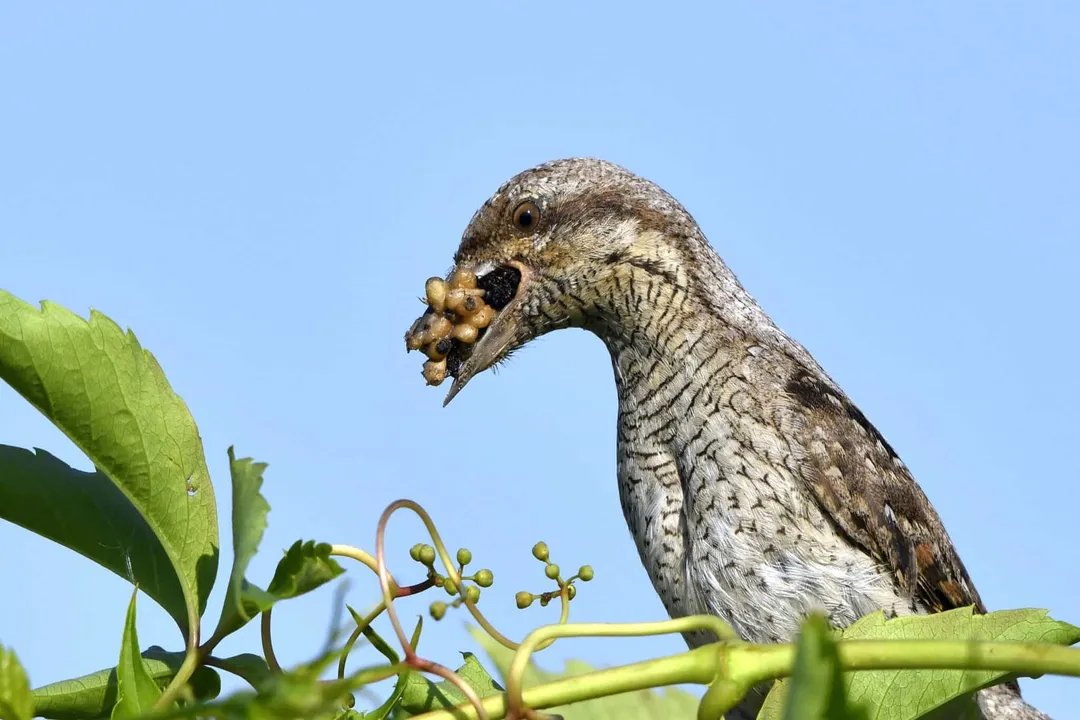
The location of the Wryneck is strictly governed by its habitat requirements, regardless of the season. A key habitat avoidance pattern for this species is a strong aversion to dense, closed-canopy forests. They are decidedly not birds of deep woodland interiors. Instead, they thrive in mosaics characterized by open woodland, copses, and clearings where sunlight penetrates to the ground level. This preference is directly tied to their dietary needs, as the absence of deep shade facilitates the growth of the ants and larvae they probe for in sandy or open substrates. Therefore, dense woodland is often unsuitable as it prevents the necessary ground foraging conditions from developing.
Related Questions
To which family does the Wryneck, often confused with a common songbird, actually belong?What is the primary geographical region considered the main breeding ground for the Eurasian Wryneck?Which formidable geographical barrier often defines the arduous southward migration path for European Wryneck populations?Where do Wrynecks primarily establish their winter quarters after leaving the Palearctic breeding areas?What ground substrate characteristic is a crucial element linked to the Wryneck's specialized diet?How does the Wryneck's foraging site typically contrast with the preferred haunts of many true woodpeckers?During which periods can a birder have a higher probability of encountering a Wryneck in transient areas like Southern Europe during April or September?How does the typical wintering strategy for Wrynecks in Africa compare to ultra-tropical specialists?What type of perch does the Wryneck often utilize when singing to establish territory during the spring?What type of woodland structure is frequently avoided by the Wryneck during its time in the Palearctic?