Woolly Mammoth Physical Characteristics
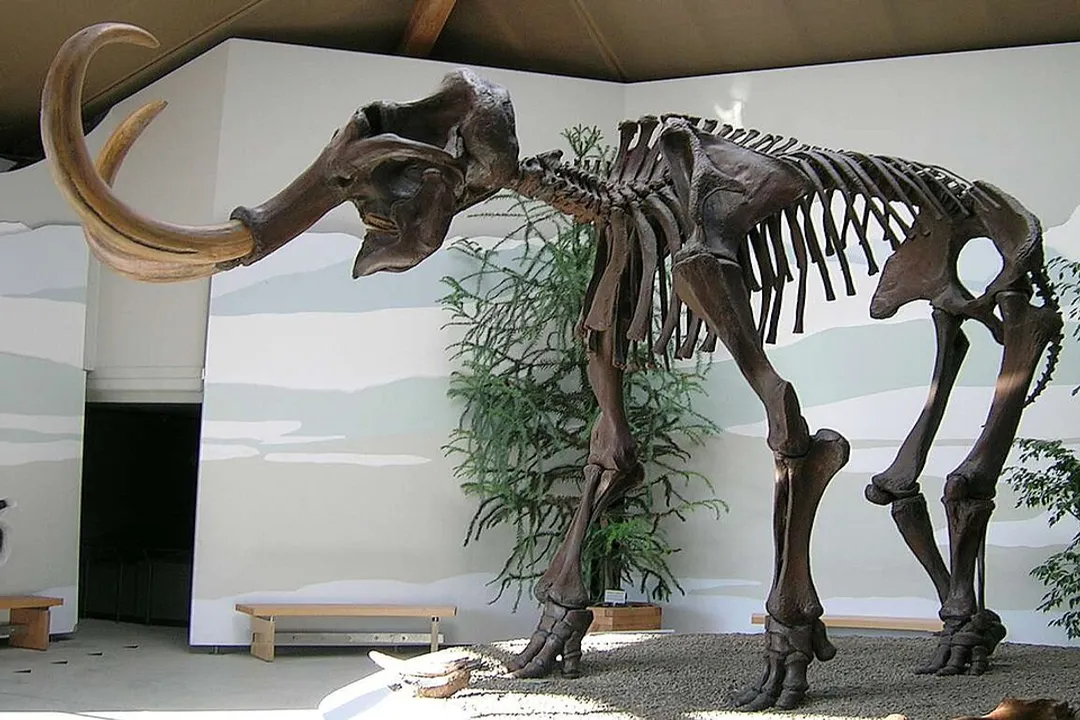
The image of the woolly mammoth, frozen in time by glaciers, is instantly recognizable: a massive, shaggy beast perfectly engineered for the Ice Age tundra. These extinct proboscideans, belonging to the genus Mammuthus, were not simply large elephants; they possessed a suite of specialized physical characteristics that allowed them to thrive in frigid environments across Eurasia and North America. [2] Their structure represented a successful evolutionary divergence from their warmer-climate cousins, prioritizing insulation and efficient foraging over sheer tropical bulk.
# Stature Form
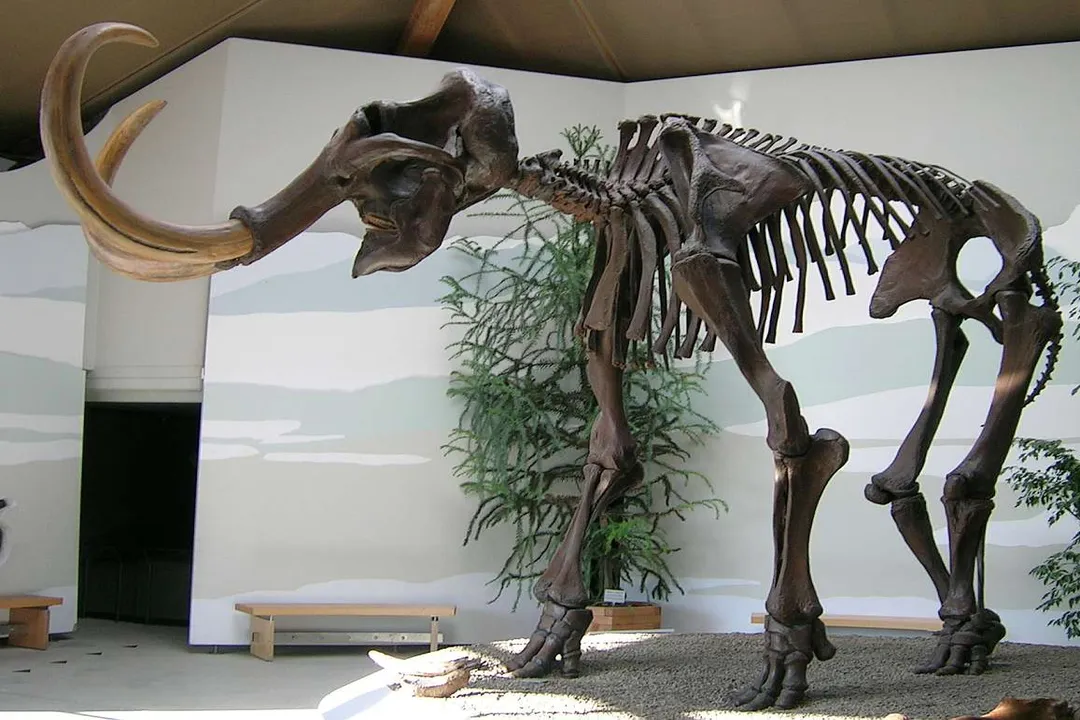
Adult male woolly mammoths were impressively large, though they were generally slightly smaller than their modern-day African savanna elephant relatives. [10] Estimates often place their shoulder height at around $3.3$ meters ( feet). [2] However, there was a distinct size difference between the sexes, with males generally being bulkier than females. [4] One significant structural difference from modern elephants was their limb structure; mammoths tended to have shorter legs relative to their body size, which would have helped reduce the surface area exposed to the cold and potentially aided stability on uneven, frozen ground. [2] While their exact weight is debated, individuals could reach up to about 6 tons. [10] Preserved remains show a body plan optimized for low heat loss, presenting a solid, powerful silhouette perfectly suited to the harsh, windswept steppes they inhabited.
# Thick Covering
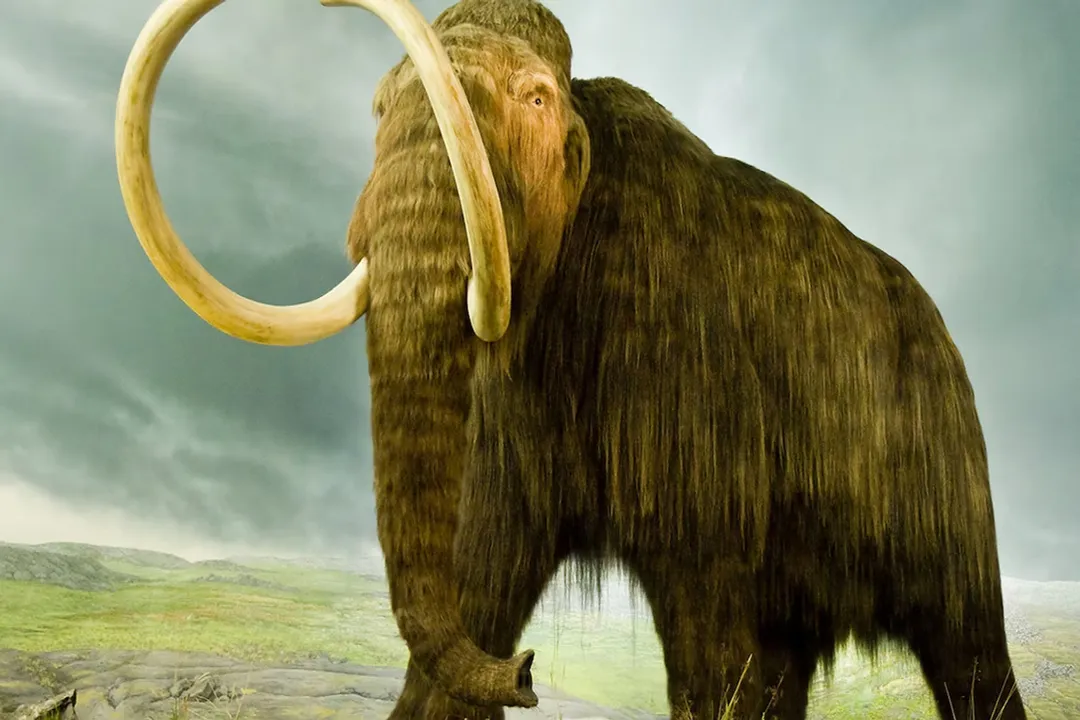
Perhaps the most defining characteristic was their dense, insulating coat, a necessity for survival when temperatures plummeted. [2][10] This covering was complex, consisting of two distinct layers. [2] The innermost layer was a thick, dense undercoat composed of fine, curly wool, designed to trap a layer of insulating air close to the skin. [2][10] Overlying this was a layer of long, coarse, and remarkably tough outer hairs, often referred to as guard hairs. These guard hairs could be quite substantial, sometimes measuring up to $1$ meter ($3$ feet) in length.
The color of this massive pelt varied considerably among individuals and populations, ranging from black and dark brown to lighter, reddish-brown hues. [1] Interestingly, while the fur provided excellent protection from cold air and snow, the long guard hairs are also noted to have been somewhat oily. [4] This oily quality would have helped repel moisture, preventing the vital insulating undercoat from becoming saturated during wet snow or rain, a key distinction for a large mammal operating in a terrestrial, often snowy, climate compared to marine mammals relying almost entirely on blubber.

# Curved Tusks

The woolly mammoth possessed impressive tusks, which were elongated, heavily curved incisor teeth made of ivory. [1] These structures were particularly pronounced in males, where they could reach an astonishing length of up to $4.5$ meters ($15$ feet). [1][4] Both sexes had tusks, but the males' were generally larger and more dramatically curved. [1]
The function of these massive, curving ivory tools was multifaceted. Primarily, they were essential implements for foraging during winter months. [1] Mammoths used their tusks to sweep away thick layers of snow, clearing the ground to reach the grasses, sedges, and mosses beneath. [1][4] Beyond foraging, these tusks served as formidable weapons for defense against predators like cave lions, and perhaps more often, as tools for intraspecies combat between males competing for mates. [4] The deep curvature meant that they likely crossed or nearly crossed, providing a sweeping, powerful arc when used for excavation.
# Small Appendages
In contrast to their massive bodies and long fur, woolly mammoths exhibited adaptations that minimized heat loss through extremities: their ears and tails were noticeably small compared to those of modern elephants. [1] Modern elephants living in hotter climates have large ears rich with blood vessels, which they flap to radiate excess body heat away from their bodies. [10] The mammoth’s small, rounded ears significantly reduced the surface area available for heat exchange, an essential trait for minimizing thermal energy loss when ambient temperatures were constantly below freezing. [1][2] Similarly, their tail was relatively short. This overall reduction in exposed surface area is a classic example of Bergmann's and Allen's rules in action, where northern or colder-dwelling relatives of a species tend to be bulkier with shorter limbs and appendages. [2]

# Grinding Teeth
The dietary needs of the mammoth—grazing on tough, abrasive Ice Age vegetation—necessitated specialized dental machinery. Unlike the high-crowned molars found in elephants that browse on softer leaves and fruit, woolly mammoths possessed low-crowned molars characterized by numerous, tightly packed enamel plates. [7] These plates were covered with a thin layer of cementum, creating a hard, uneven surface ideal for grinding fibrous grasses and sedges. [7] As the tooth wore down from constant use against silica-rich grasses, the exposed enamel ridges would keep sharpening the grinding surface, much like the repetitive action of a millstone, ensuring they could process their fibrous diet effectively until the tooth eventually wore out and was replaced. [1]
# Fat Storage
To sustain their immense body mass and maintain core temperature through long, dark winters, fat was a critical resource. [1] Woolly mammoths had a substantial layer of insulating fat, essentially a form of blubber, beneath their skin. [1] This blubber acted as an additional barrier against the extreme cold, working in concert with the dense fur. [10]
Furthermore, many artistic depictions and skeletal interpretations suggest the presence of a hump situated over the shoulders or back, similar to that seen on camels. While not all paleontologists agree on its exact structure or consistent presence across all populations, the leading theory is that this hump served as a significant energy reserve—a concentrated area for storing fat that could be metabolized when forage became scarce. [1] Considering the often unpredictable nature of Ice Age snow cover, having such a large, portable energy cache would have provided a crucial buffer, ensuring that the animal did not have to expend vital calories constantly searching for food while simultaneously fighting hypothermia. This reliance on stored energy speaks volumes about the high metabolic demands of maintaining such a large warm-blooded body in a persistently cold environment.
Related Questions
#Citations
Woolly mammoth | Size, Adaptations, & Facts | Britannica
Woolly mammoth - Wikipedia
Woolly Mammoth | Yukon Beringia Interpretive Centre
Woolly Mammoth | National Geographic Kids
Woolly Mammoths: Characteristics, Habitat and Diet
[PDF] Fun facts about woolly mammoths - West Berkshire Heritage
A Woolly Mammoth Primer - Tetrapod Zoology
Woolly Mammoth | Explore the Ice Age Midwest
Ice Age Mammals - Woolly Mammoth
Woolly mammoths might be the best-known mammals of the ice ...