What two main purposes have paleontologists hypothesized for the Xenacanthus cephalic spine?
Answer
Defense against predators or sexual display
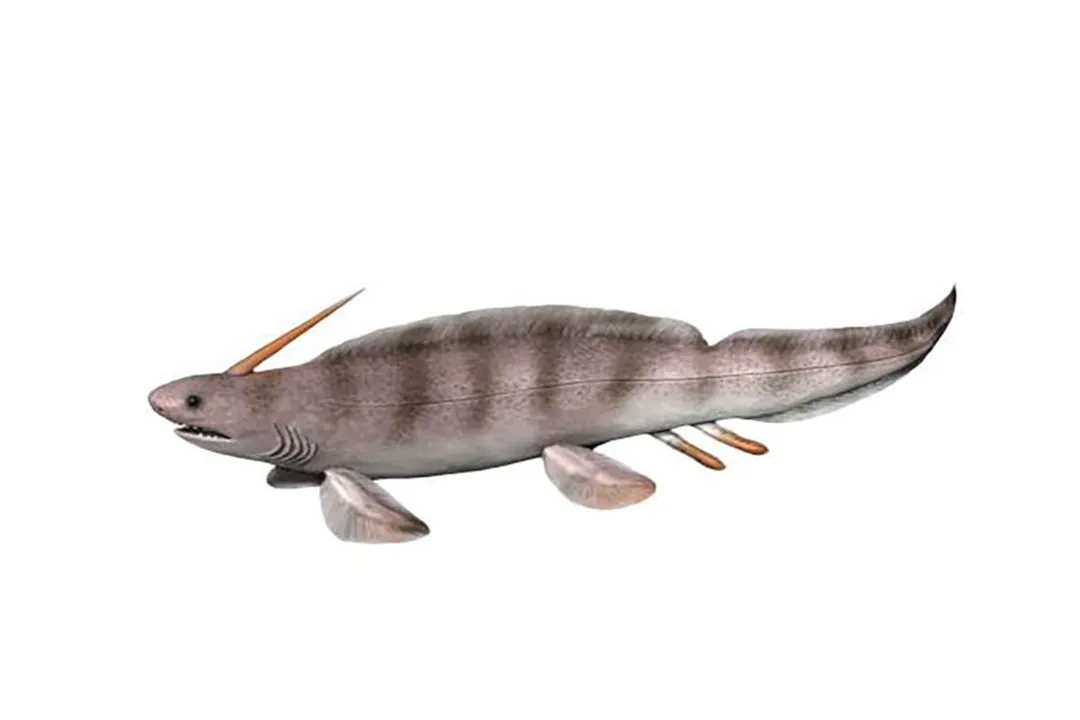
Paleontological research into the function of the prominent cephalic spine on *Xenacanthus* suggests two primary roles. The first hypothesis posits that the spine functioned as a defensive mechanism, serving as a sharp, projecting deterrent against potential predators, such as large amphibian species, preventing fatal head-first strikes. The second major hypothesis suggests the spine played a role in sexual selection, functioning as an element of sexual display. Fossil evidence, while sometimes inconclusive regarding definitive sexual dimorphism in size, supports considering these two possibilities for the structure derived from the Greek words for 'strange spine'.
Related Questions
What does the name Xenacanthus mean, hinting at its unusual feature?How is the general body plan of Xenacanthus described compared to modern sharks?What unique feature defined the fin arrangement of Xenacanthus along its back?What prominent structure projects backward from the nape of the Xenacanthus skull?During which geological period did the order Xenacanthiformes first appear?During which geological periods did the genus Xenacanthus achieve its peak activity?What habitat did Xenacanthus appear to remain steadfastly in throughout its documented history?What two main purposes have paleontologists hypothesized for the Xenacanthus cephalic spine?Within which order is Xenacanthus classified as a sister group or early branch?What factor might have gradually caused the final disappearance of Xenacanthus in the Early Cretaceous?