During which geological periods did the genus Xenacanthus achieve its peak activity?
Answer
Carboniferous and Permian Periods
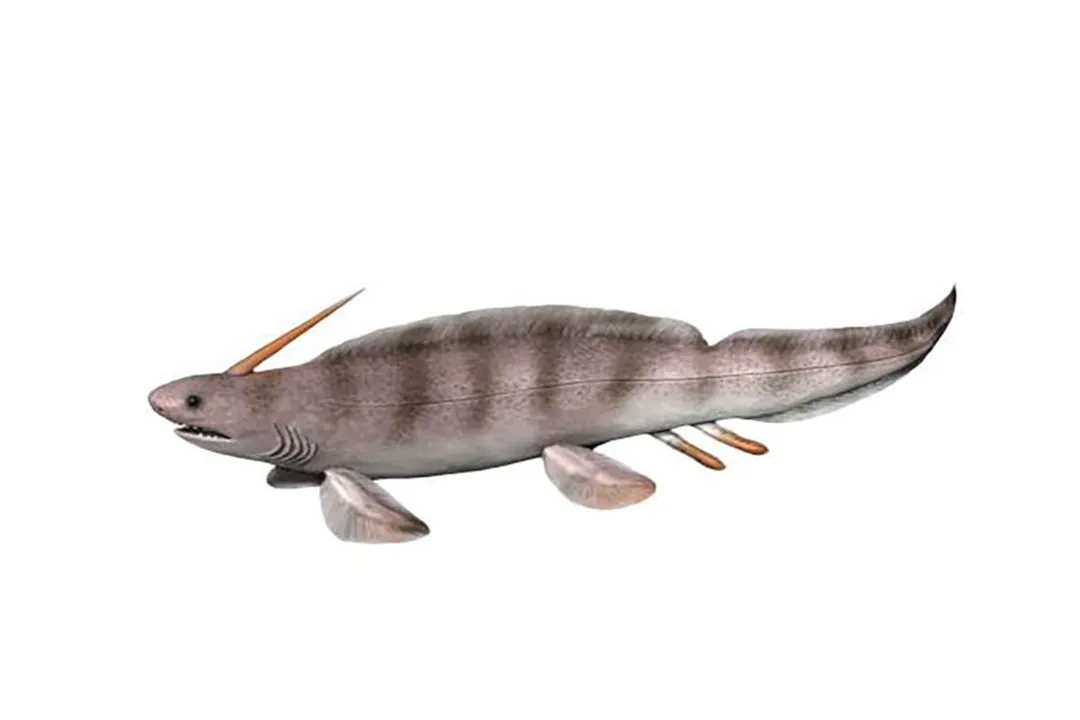
While the entire order Xenacanthiformes spanned from the Devonian to the Early Cretaceous, the genus *Xenacanthus* specifically experienced its height of success and proliferation during the Carboniferous and Permian Periods. It was during this time frame that these sharks achieved a remarkably global distribution across freshwater systems of the late Paleozoic era. Their persistence through the major extinction event at the end of the Permian underscores the adaptability of their fundamental design, even as their lineage was nearing its eventual conclusion millions of years later.
Related Questions
What does the name Xenacanthus mean, hinting at its unusual feature?How is the general body plan of Xenacanthus described compared to modern sharks?What unique feature defined the fin arrangement of Xenacanthus along its back?What prominent structure projects backward from the nape of the Xenacanthus skull?During which geological period did the order Xenacanthiformes first appear?During which geological periods did the genus Xenacanthus achieve its peak activity?What habitat did Xenacanthus appear to remain steadfastly in throughout its documented history?What two main purposes have paleontologists hypothesized for the Xenacanthus cephalic spine?Within which order is Xenacanthus classified as a sister group or early branch?What factor might have gradually caused the final disappearance of Xenacanthus in the Early Cretaceous?