What two life-threatening hurdles did the move to dry land present?
Answer
Respiration and desiccation
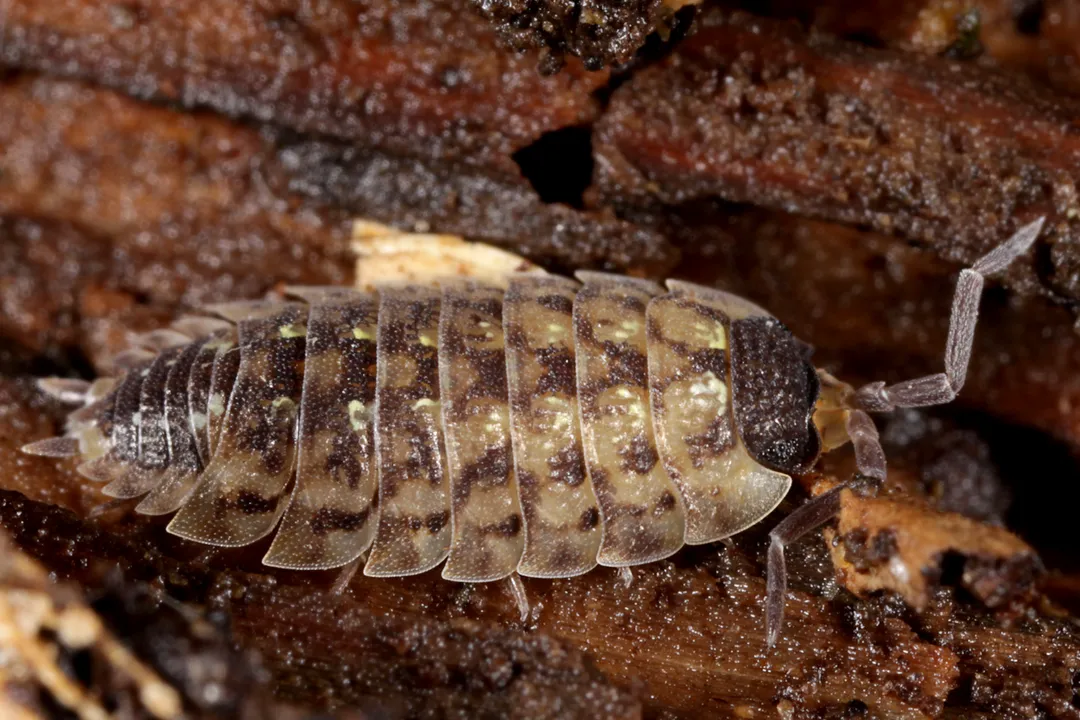
The transition from a purely aquatic existence to terrestrial life introduced two critical, immediate challenges that threatened the survival of early woodlice ancestors. Desiccation refers to the extreme danger of drying out, as exposed aquatic respiratory surfaces collapse rapidly in air. Respiration posed the problem of how to efficiently extract oxygen from the air while simultaneously maintaining the necessary moisture levels for gas exchange surfaces. The solutions developed to overcome these dual problems—a waxy cuticle to limit water loss and modified pleopods for breathing—define the woodlouse's current terrestrial adaptations and its persistent need for humidity.
Related Questions
What major taxonomic group do woodlice belong to, unlike insects?What two life-threatening hurdles did the move to dry land present?What is the suborder classification for terrestrial woodlice?What evolutionary term describes gills co-opted for terrestrial respiration?Which morphology describes sow bugs regarding their tail appendages (uropods)?What must remain wet for woodlice to breathe using pseudotracheae?What trait was already established in ancient sea woodlice before land colonization?What distinction separates Pill Bugs from Sow Bugs regarding their morphology?What ecological service makes terrestrial isopods vital in forest environments?What characteristic is shared by the pill millipedes and true woodlice?