Woodlouse Evolution
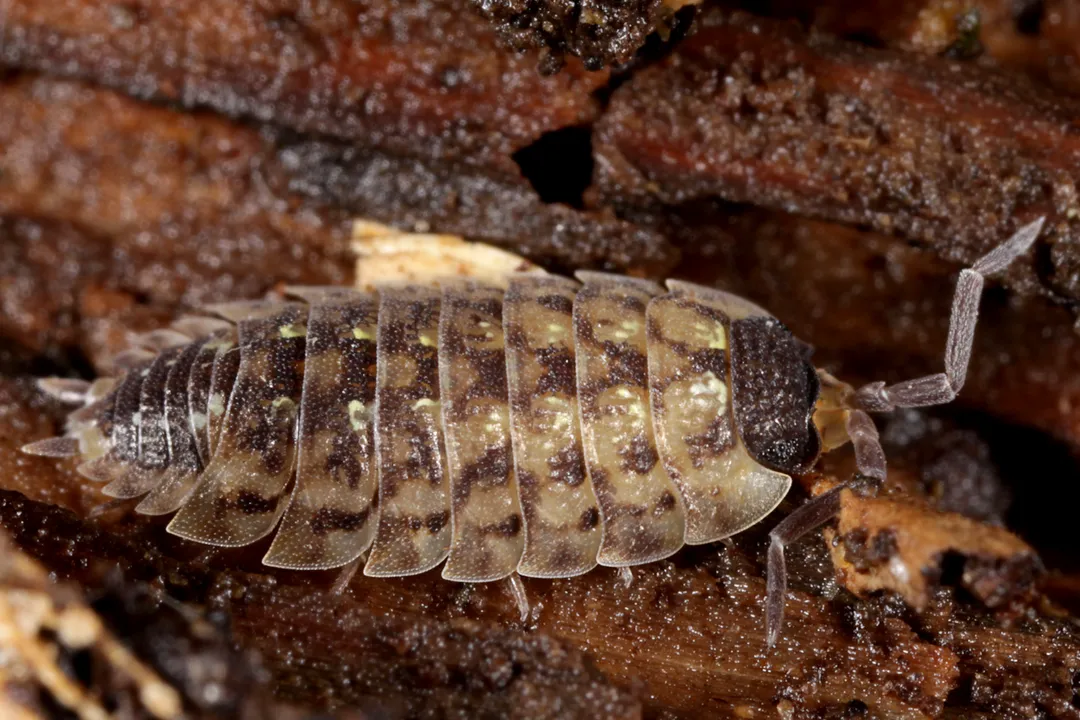
Woodlice, those familiar little segmented creatures often found hiding under rocks or damp leaves, possess an evolutionary history far more dramatic than their humble garden demeanor suggests. They are not insects at all, which is a common mistake; they are actually crustaceans, placing them in the same broad group as crabs, lobsters, and shrimp. [1][4][6][9] This classification is the key to understanding their story: woodlice are essentially land-dwelling sea creatures that made one of the planet's most significant evolutionary leaps—the move from the ocean to dry land. [3]
# Marine Origins
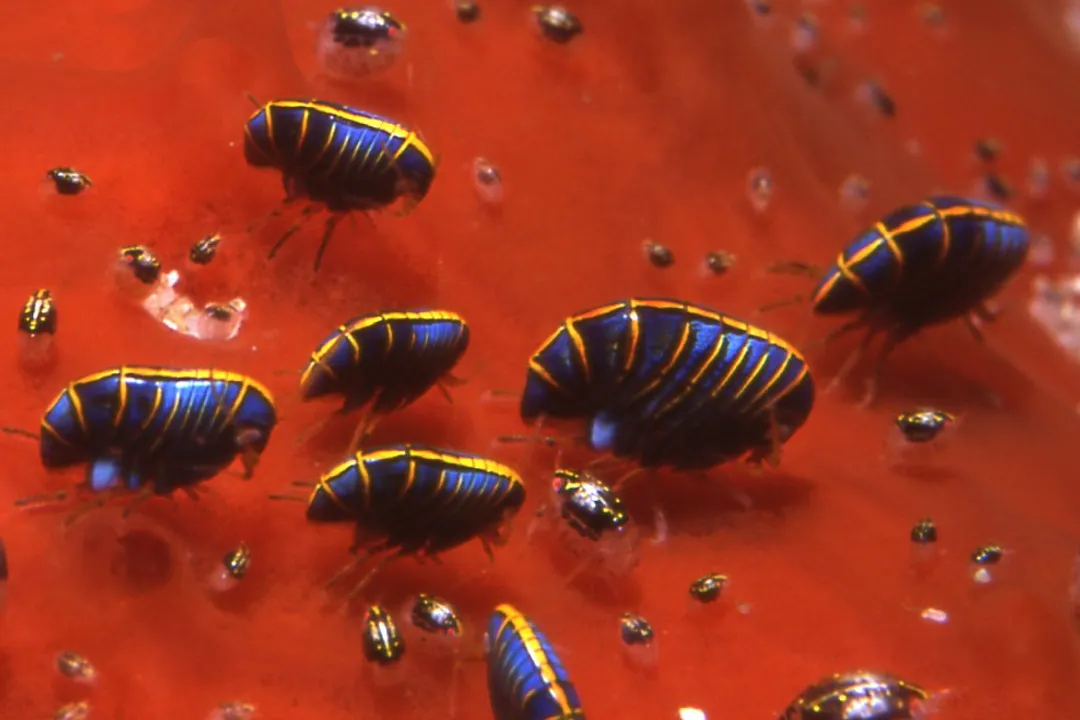
The lineage of the woodlouse stretches back into deep time, originating in the marine environment. [3] While today we associate them with moist soil and decaying wood, their ancestors were fully aquatic isopods. [4][5] This deep evolutionary link to the sea means that every woodlouse walking on soil today carries the genetic baggage of a creature adapted to saltwater environments. The terrestrial forms we commonly see belong to the suborder Oniscidea. [1] The success of this group lies in their remarkable ability to modify ancestral marine structures to cope with terrestrial life.
If you were to examine the relatives of woodlice still living in the sea, you would find them bearing structures very similar to their terrestrial cousins, though perhaps adapted for different lifestyles. For example, one fascinating piece of research highlighted that even ancient sea woodlice, creatures that existed long before any of their relatives decided to tackle dry land, possessed surprisingly complicated guts. [7] This suggests that complex digestive systems were not an adaptation for land, but were already established in their marine predecessors, possibly enabling them to process a wider variety of detritus even in the water column. [7] This pre-existing complexity might have provided a necessary foundation when facing the novel challenges of terrestrial decomposition.
# Land Adaptation
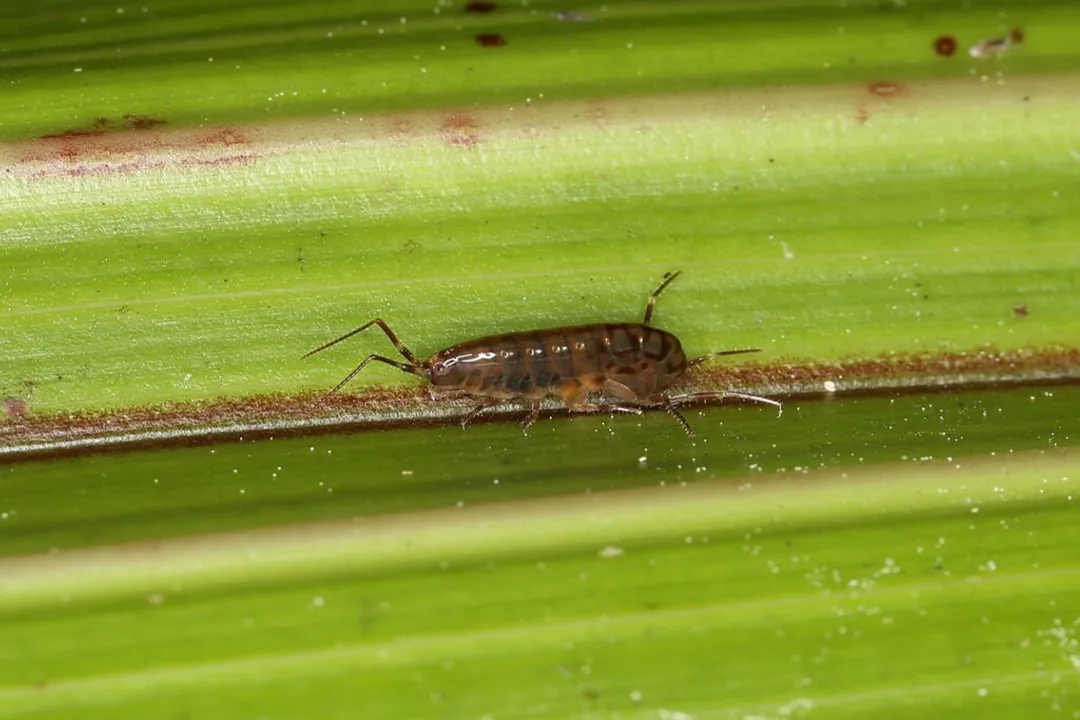
The transition from water to land, which likely occurred in the Carboniferous period or earlier, presented two immediate, life-threatening hurdles: respiration and desiccation (drying out). [3] In water, gills are efficient, but exposed to air, they collapse and dry out rapidly. To survive out of the water, the woodlouse needed a way to breathe air while keeping its respiratory surfaces moist. [1]
The terrestrial woodlouse solved the desiccation problem by developing a thick, waxy cuticle, which helps to minimize water loss across the body surface. [1] However, the respiratory solution is perhaps the most ingenious evolutionary modification. Terrestrial isopods retained specialized structures on their ventral side called pleopods, which are modified appendages used for gas exchange. [7] While some sources refer to these internal structures as forming "lung-like" organs or pseudotracheae, [7] they fundamentally operate like gills, requiring external moisture to function effectively. [1] This means that despite being terrestrial, the woodlouse never fully escaped its aquatic heritage; it is merely adapted to carry its own humid microenvironment with it. [1]
For a creature that breathes air through structures that must remain wet, the need for constant humidity is the single greatest constraint on its evolutionary success away from the coast. [1][3]
This leads to an interesting observation for anyone studying local microclimates. If you notice that your garden area is dominated by the flatter, non-rolling sow bugs (like Porcellio scaber), as opposed to the perfectly spherical pill bugs (Armadillidium vulgare), it often suggests a very specific environmental filter is at work—likely related to the soil's consistency or sustained moisture levels, as different species have fine-tuned their water retention capabilities slightly differently over evolutionary time. [1] The ability of the pill bug to roll into a perfect ball is an advanced adaptation primarily for defense against predators, but the difference in their cuticular water retention strategies dictates where each species thrives best when moisture becomes scarce. [1]
# Breathing Change
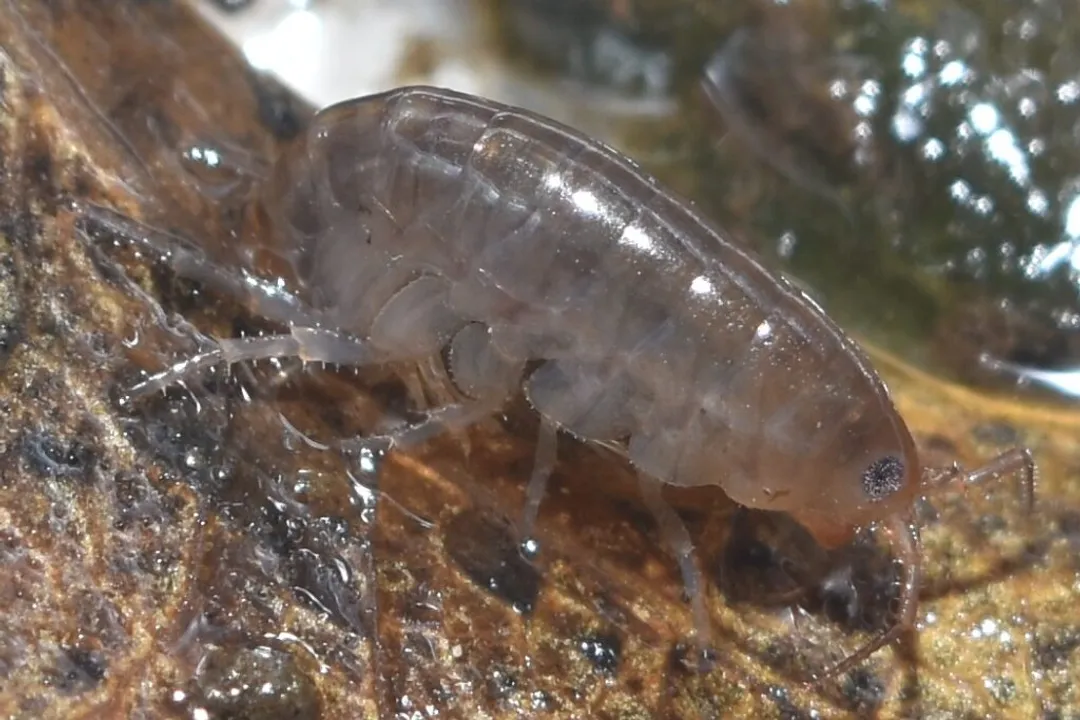
The transformation of aquatic gills into air-breathing organs is a textbook example of exaptation—where a feature evolved for one function (swimming/aquatic respiration) is co-opted for another (terrestrial respiration). [7] The pseudotracheae consist of thin plates arranged like the leaves of a book, creating a large surface area for oxygen absorption from the air. [1] This structure demands that the woodlouse remains in damp conditions; if the pseudotracheae dry out, the animal essentially suffocates, even if the ambient temperature is otherwise fine. [1]
This respiratory compromise explains the distribution patterns we see today. While woodlice have colonized almost every terrestrial habitat on Earth, their distribution is fundamentally patchy and dependent on humidity gradients. [3] The ability of some species to migrate into slightly drier zones, such as bark crevices or under stones further from constant soil contact, reflects minor but significant evolutionary refinements to the permeability of their cuticle and the efficiency of their pseudotracheae, making them slightly less reliant on saturated ground than their closest relatives. [1]
# Body Forms
Woodlice exhibit two main recognizable body types in many temperate regions, corresponding to major evolutionary branches within the Oniscidea. [1]
- Sow Bugs: These tend to be flatter, possessing well-developed uropods (tail appendages) and are unable to roll into a tight ball. They rely more heavily on speed and hiding in damp environments. [1]
- Pill Bugs (or Roly-Polies): These species, belonging to the family Armadillidiidae, have evolved the ability to roll into a protective sphere. [1] This spherical posture shields their vulnerable ventral side and respiratory structures from predators and acute desiccation events. [1] This rolling behavior is a more recent evolutionary novelty compared to the flatter forms. [1]
If we were to construct a simplistic evolutionary timeline based on morphology, the non-rolling sow bugs represent a path that retained more ancestral characteristics, while the pill bugs represent a divergent, specialized lineage that invested heavily in structural defense. [1] This distinction is crucial for understanding local populations; the presence of these distinct morphologies shows that woodlice evolution did not follow a single, linear path after colonizing land, but rather diversified quickly to exploit different ecological niches available in the terrestrial litter layer. [4]
To highlight the different levels of adaptation, consider the following comparison based on how they manage their terrestrial existence:
| Feature | Sow Bug (e.g., Porcellio) | Pill Bug (e.g., Armadillidium) | Evolutionary Implication |
|---|---|---|---|
| Shape | Dorsoventrally flattened | Cylindrical, rolls into a ball | Pill bug adaptation for defense/water retention [1] |
| Defense | Hiding, rapid movement | Passive, armored sphere [1] | Investment in structural protection |
| Uropods | Well-developed, used for movement/balance | Reduced or modified | Correlated with defensive posture [1] |
This contrast in morphology is a direct result of evolutionary pressures acting on a shared ancestral blueprint. [1]
# Ecological Role
As decomposers, terrestrial isopods are ecologically vital, especially in forest environments where they help break down leaf litter and detritus. [5] This role is an extension of their ancestral ability to process organic matter, now adapted for solid terrestrial substrates. By fragmenting and consuming dead plant material, they cycle nutrients back into the soil, making them essential contributors to soil health and structure. [5]
This recycling function places them in a dynamic interaction with fungi and bacteria, which begin the decomposition process. Woodlice consume material that has been partially broken down by microbes, or they consume the microbes themselves, effectively acting as a mechanical processor in the detrital food web. [5] Their presence or absence in a given substrate can significantly alter the rate at which the forest floor breaks down.
# A Look at Relatedness
It is worth reiterating the breadth of the Isopoda order. While we focus on the terrestrial woodlice, their marine cousins, like the giant deep-sea Bathynomus (though not strictly woodlice, they are related isopods), showcase the sheer scale and adaptability of the group. [4] Some terrestrial forms, like the 'pill millipedes' sometimes mistaken for woodlice, are not crustacean relatives at all but belong to the myriapods, though they share the convergent trait of rolling up for defense. [4] Understanding woodlouse evolution means keeping track of these convergent strategies versus genuine shared ancestry.
When observing a common species like the rough sow bug (Porcellio scaber), we are observing an organism that represents a successful, though ancient, compromise. It achieved land colonization by modifying aquatic breathing structures, creating an internal environment moist enough to function, even as its overall body structure remained recognizably crustacean. [1] Their continued dependence on moisture, which seems like a failure to fully adapt, is actually the defining characteristic of their evolutionary success in the terrestrial environment: they colonized the land without having to completely abandon the physiological mechanism that made them successful in the sea. This strategy allowed them to populate damp, dark niches globally, far faster than an organism that might have needed to evolve entirely new, complex lung systems from scratch. [3] The woodlouse evolution is therefore a story of successful modification rather than wholesale replacement of ancient anatomy.
Related Questions
#Citations
Woodlouse - Wikipedia
woodlouse | The Evolving Naturalist
From Beach to Desert: Journey of the Woodlouse - Real Monstrosities
Common Woodlouse - University of Puget Sound
Isopods in the Forest
Today's amazing facts from Twitter: marine mites and woodlouse flies
Ancient 'sea woodlice' had surprisingly complicated guts
Woodlice | Space for life
Woodlice evolved from marine isopods - Facebook
Endemism and evolution in the littoral woodlouse Halophiloscia ...