What structural characteristic defines the bulk of the *P. leopoldi* diet?
Answer
Prey protected by hard exoskeletons or shells
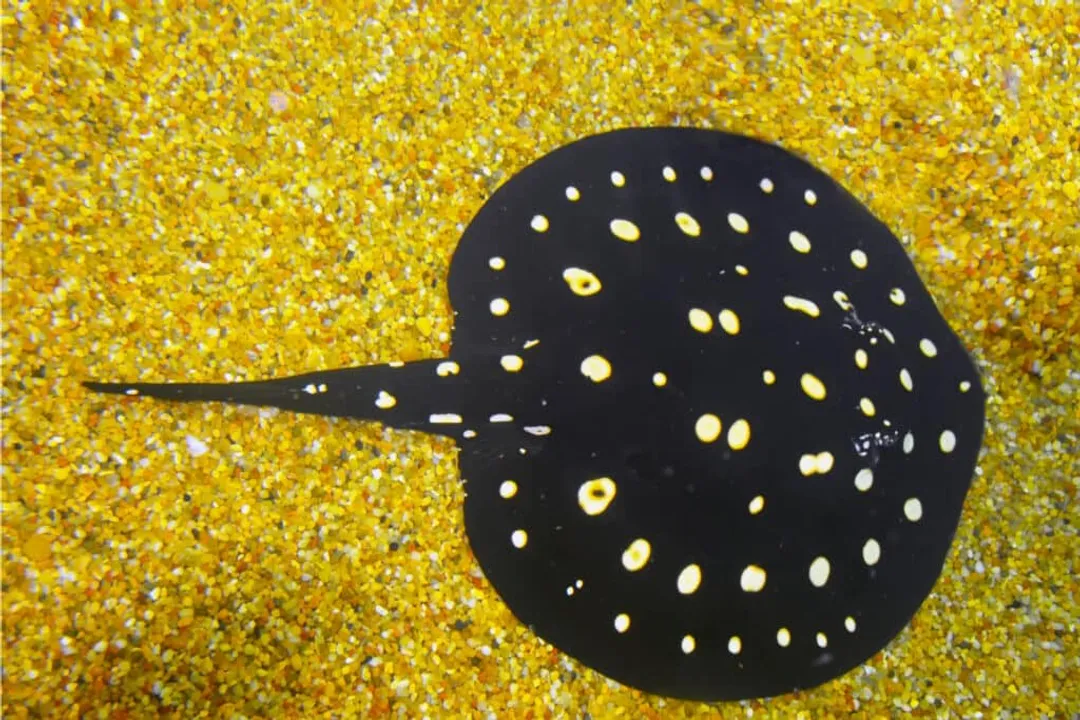
The defining feature of the primary food sources consumed by the Xingu River Ray is the presence of a hard exterior, specifically the shells characteristic of bivalves and gastropods. Since the ray relies heavily on these mollusk species for its caloric needs, its feeding apparatus must overcome this natural defense mechanism. This necessity for physical breakage, rather than simple ingestion of soft tissue, is what drives the evolutionary adaptation of its powerful jaws and crushing teeth.
Related Questions
What is the scientific name for the Xingu River Ray?What primary prey category forms the bulk of the Xingu River Ray's sustenance?How are the teeth of *P. leopoldi* adapted regarding food processing?What type of environment dictates the food sources for the Xingu River Ray?What structural characteristic defines the bulk of the *P. leopoldi* diet?What feeding behavior is favored by the ray's reliance on substrate investigation?What risk arises from not providing high-calcium, hard-shelled prey in captivity?Besides mollusks, what other invertebrate groups are incorporated into the ray's diet?What does the formidable crushing structure suggest about the ray's evolutionary history?How does specialization likely affect the Xingu River Ray's ability to hunt certain prey?