How does specialization likely affect the Xingu River Ray's ability to hunt certain prey?
Answer
It is less equipped to efficiently hunt soft-bodied, fast-swimming prey
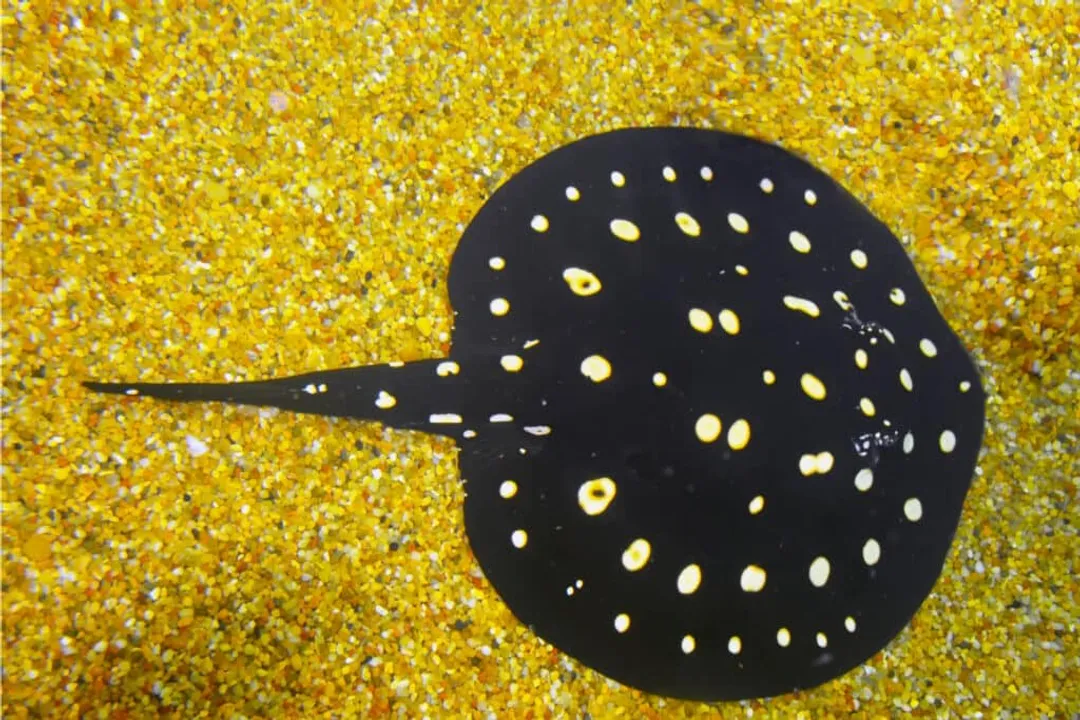
The intense specialization towards developing powerful crushing plates for hard-shelled organisms implies a trade-off in other predatory capabilities. An individual optimized for sifting gravel and crushing robust snails is generally not adapted for the speed and agility required to effectively capture prey that is soft-bodied or moves quickly through the water column, such as many types of fish. This specialization locks the ray into its niche as a benthic processor that targets slow or stationary food sources.
Related Questions
What is the scientific name for the Xingu River Ray?What primary prey category forms the bulk of the Xingu River Ray's sustenance?How are the teeth of *P. leopoldi* adapted regarding food processing?What type of environment dictates the food sources for the Xingu River Ray?What structural characteristic defines the bulk of the *P. leopoldi* diet?What feeding behavior is favored by the ray's reliance on substrate investigation?What risk arises from not providing high-calcium, hard-shelled prey in captivity?Besides mollusks, what other invertebrate groups are incorporated into the ray's diet?What does the formidable crushing structure suggest about the ray's evolutionary history?How does specialization likely affect the Xingu River Ray's ability to hunt certain prey?