X-Ray Tetra Diet
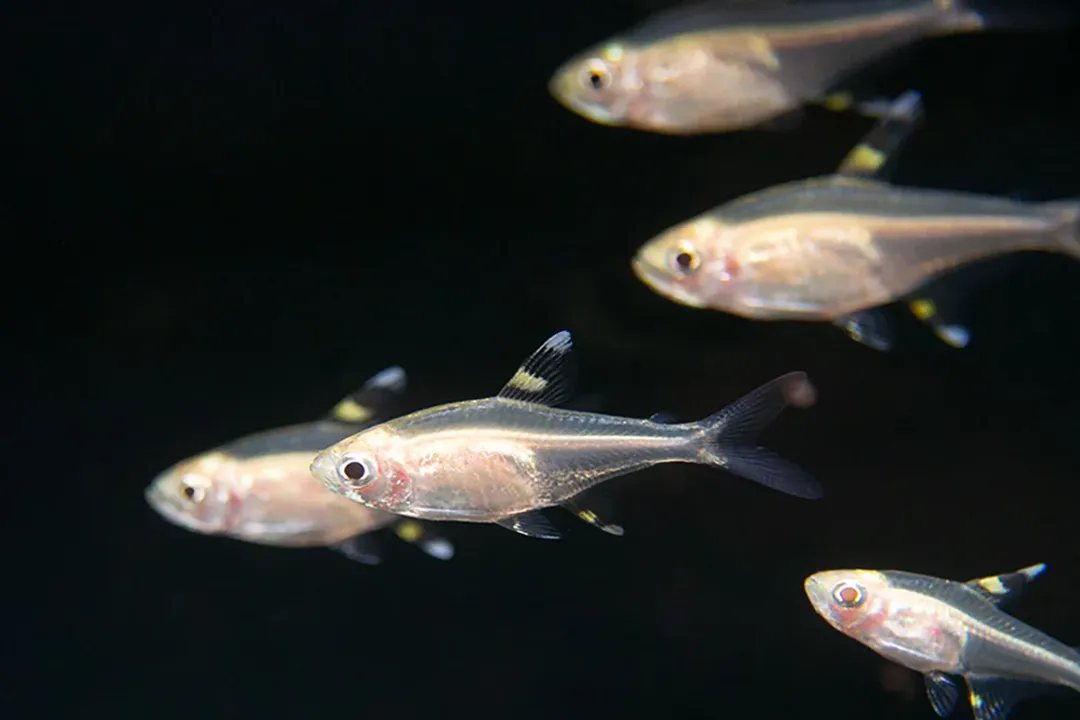
The diet for the X-Ray Tetra, Pristella maxillaris, is foundational to keeping these fascinating, translucent fish vibrant and healthy in an aquarium setting. [5] These small schooling fish are classified as omnivores. This means their nutritional needs must be met with a balanced intake derived from both plant matter and animal protein sources. Understanding what they eat both in their native South American streams and what we offer in our home tanks is key to their long life, which averages around five years with proper care. [5]
# Omnivore Basics
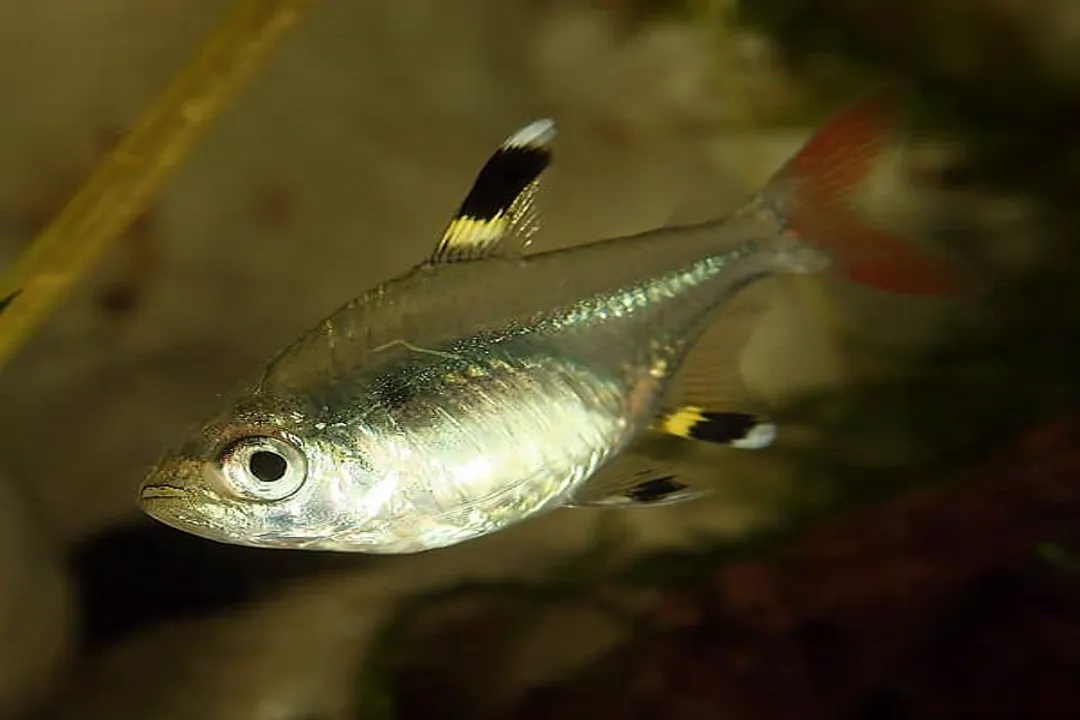
In their natural habitat, X-Ray Tetras, native to the slow-moving rivers and marshlands of northern South America, exhibit feeding behaviors typical of a small, inquisitive micro-predator. [5] They spend their time near the riverbed, primarily hunting for small invertebrates such as worms, insects, and small crustaceans. However, they are not strictly carnivorous; they supplement this high-protein intake by grazing on available aquatic plants. This omnivorous nature makes them quite adaptable in an aquarium, as they are noted for readily accepting most types of prepared fish food. [5]
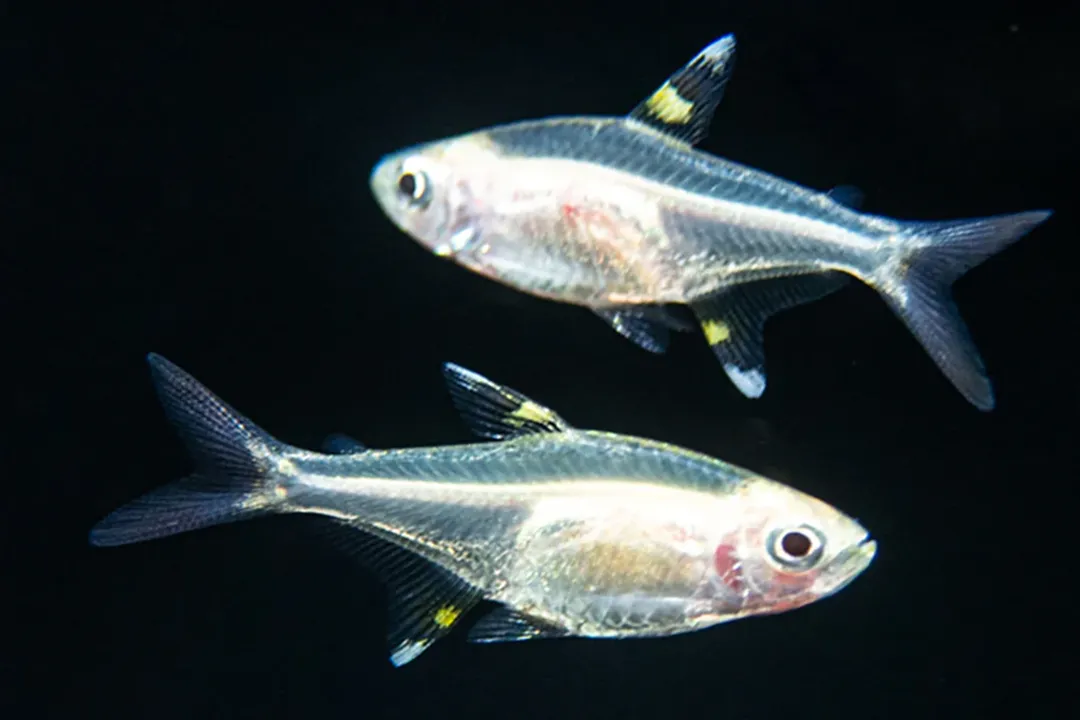
The Golden X-Ray Tetra, a popular captive-bred variant, shares this core requirement for an omnivorous diet, though achieving that namesake metallic sheen requires particular attention to high-quality sustenance. [2] Regardless of the color morph, the goal is to replicate the varied intake of their wild counterparts to ensure optimal health and bright coloration. [5][2]
# Flake Foundation
For the day-to-day maintenance of X-Ray Tetras in a home aquarium, a reliable, high-quality flake food should serve as the primary staple of their meals. [5] This provides a consistent base of essential vitamins and nutrients needed for daily function and longevity. [5] Many aquarists opt to use these flakes as the main offering, especially when feeding multiple times daily, as they are easily distributed throughout the water column where these mid-level swimmers feed. [5]
When considering flake quality, it is helpful to look for foods that specifically target small community fish, as the particle size of micro-pellets or crushed flakes is often better suited for their small mouths. [2] While flakes are convenient, relying on a single, low-nutrition flake formula day after day can lead to deficiencies over time, causing colors to dull, which is especially noticeable on the unique transparent body of the X-Ray Tetra. [5]
# Protein Variety
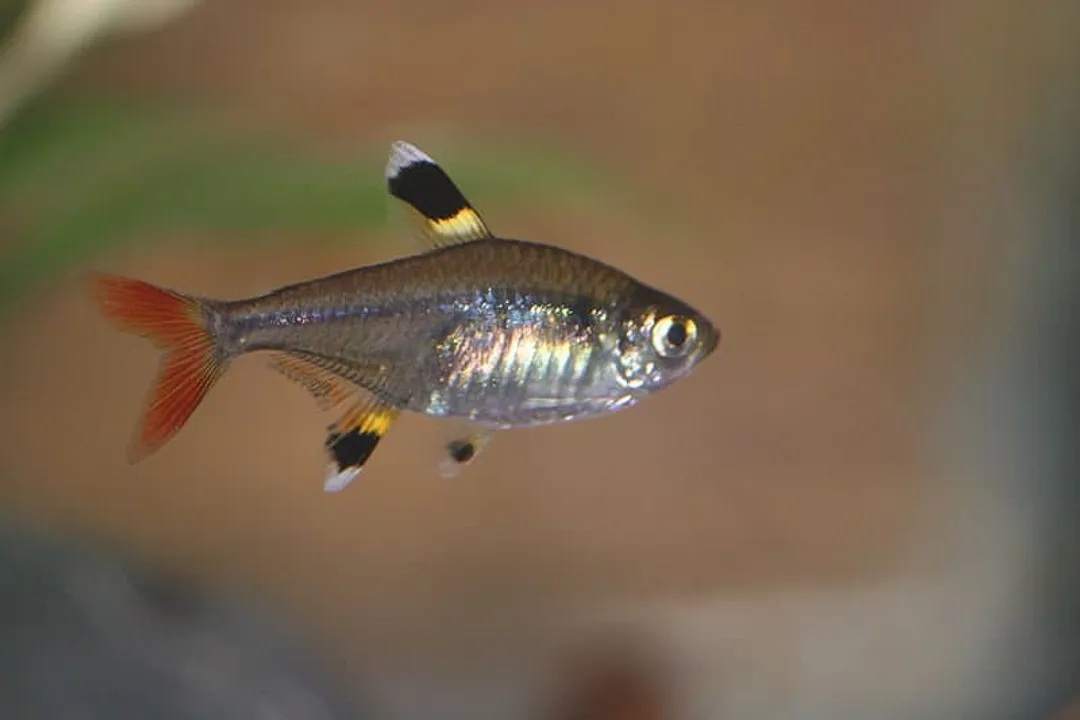
To truly bring out the best in an X-Ray Tetra’s appearance—whether it is the standard translucent form or the golden variant—supplementation with more nutritious, high-protein items is necessary several times each week. [5][2] Since they are naturally inclined to hunt invertebrates, offering foods that mimic this is highly beneficial for their activity levels and color vibrancy. [2][5]
Excellent choices for supplemental feeding include:
For those keeping the vibrant Golden X-Ray Tetra, the inclusion of these frozen or live options is often cited as the direct method to enhance that natural golden glow and keep them active. [2] Even in a healthy, established tank, varying the menu prevents food boredom—one owner noted that their tetras really enjoy the rotation between flakes, micro-pellets, granules, freeze-dried goods, and frozen options, leading to brightly colored and active fish.
It is worth noting that while these tetras are small, their natural inclination to consume small creatures means they may snack on any available shrimp fry in a community tank; dense moss or planting is recommended if you wish to protect very small young. [2]
A helpful technique for introducing new foods or shifting between staple foods is to use a gradual transition. If you are moving away from a basic flake diet to incorporate more complex frozen foods, try crushing a high-quality micro-pellet into a fine powder and mixing it with a small portion of the new food item. Feed this mixture for a few days. This helps acclimate their digestive systems to the new ingredients before giving them larger pieces of, say, frozen bloodworms. [2]
# Feeding Rhythm
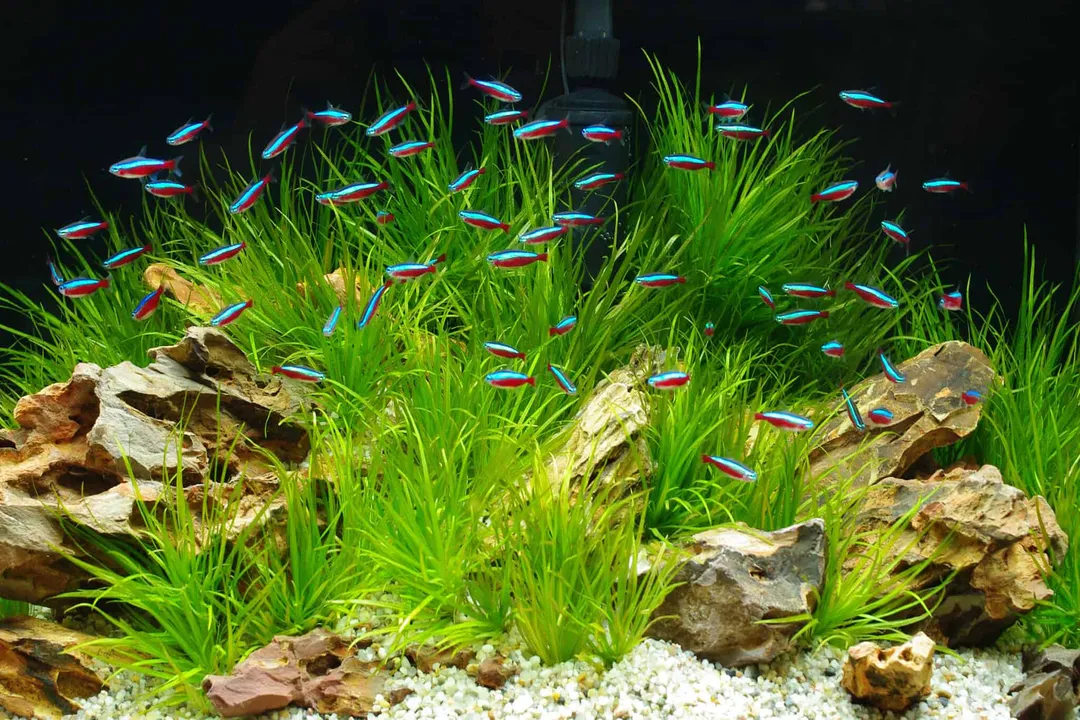
Deciding how often to feed small tetras like the X-Ray can be confusing, as hobbyist opinions vary widely, ranging from twice a day to feeding every other day. The best approach isn't a rigid schedule but rather observing the fish and considering the overall environment.
The most universally agreed-upon principle is moderation. Overfeeding is frequently cited as the single worst mistake an aquarist can make, as uneaten food pollutes the water rapidly, stressing fish that already require pristine conditions due to their sensitive, transparent nature. [5]
Actionable guidelines for determining your schedule include:
- Quantity Check: Feed only the amount your school of X-Ray Tetras can consume entirely within 60 to 90 seconds. If food remains after that window, you are feeding too much in that session.
- Visual Assessment: Observe the fish's bellies. Feed them until they appear nicely rounded, then wait until their bellies look empty or slightly concave before offering the next meal.
- Frequency Choice: Many experienced keepers find success feeding once per day, five days a week, deliberately skipping one or two days entirely. This mimics natural lulls in food availability and allows the digestive tract a break.
A schedule that works well for many small tetra communities is feeding daily but ensuring that at least one full day—perhaps mid-week—is a fasting day. This slight intermittent fasting can aid in digestion and prevent bloat.
# Fry Nutrition
Caring for X-Ray Tetra fry requires a specialized approach to ensure survival and proper development, as their needs differ significantly from the adults. [5] Newly hatched fry, which become free-swimming a couple of days after hatching, require incredibly fine sustenance. [5]
Initially, the diet should consist of microscopic food sources:
- Infusoria
- Liquid fry food formulations
Once the fry grow large enough to handle slightly larger particles—often indicated by a noticeable increase in size and the beginning of color development—you can transition their menu. This next stage involves introducing freshly hatched brine shrimp or finely crushed flake food. [5]
It is important for the breeder to remove the parent fish immediately after spawning, as the adults will readily consume the eggs. [5] The water in a fry tank should be maintained with gentle filtration, such as an air-driven sponge filter, to prevent strong currents from stressing the small fry while still keeping the water clean. [5] Monitoring the water quality closely is paramount, as small, vulnerable fry are highly susceptible to parameter swings. [5]
# Visual Cues
The X-Ray Tetra’s defining physical characteristic is its transparent skin, which clearly displays its internal structure. This transparency, while beautiful, acts as a direct, visible feedback mechanism for the aquarist concerning the fish’s internal health, which is heavily influenced by diet. [5] A well-fed, healthy specimen will have a clear silhouette where the outline of the backbone is sharp, perhaps with a faint, healthy golden or silvery-yellow tint to the scales. [2]
If the fish is malnourished or kept in poor water conditions, the body can look weak, and colors can fade dramatically. [5] Conversely, an overly fat fish, the result of consistent overfeeding, will show a visibly distended or bloated belly, which is a sign of internal distress rather than health. Paying close attention to this 'living silhouette' allows the caretaker to adjust feeding quantities immediately, ensuring the X-Ray Tetra remains a healthy, clear picture of well-being in the community tank. [5]
#Videos
X-Ray (Pristella) Tetra Care and Breeding - YouTube
Related Questions
#Citations
X-ray tetra - Pristella maxillaris - Aqua-Fish.Net
X-Ray (Pristella) Tetra Care and Breeding - YouTube
Community Fish Spotlight: Golden X-Ray Tetra (Pristella maxillaris)
How often should I feed my tetras? : r/Aquariums - Reddit
X-Ray Tetra Fish Facts - Pristella maxillaris - A-Z Animals