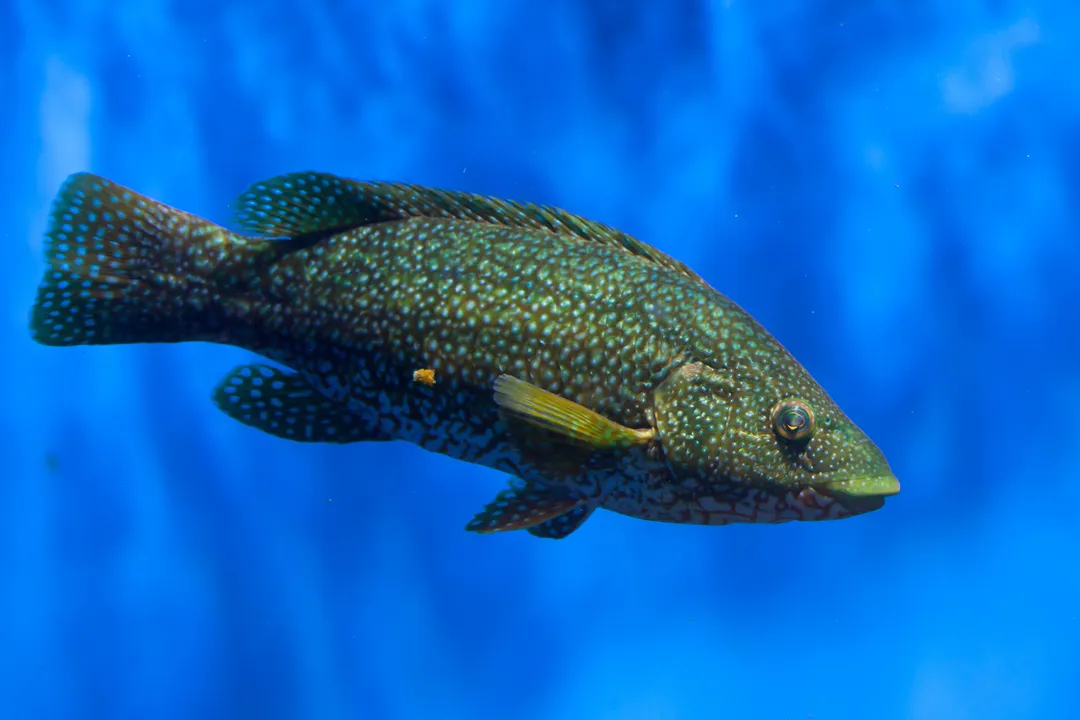
What specific symbiotic service provided by Cleaner Wrasses compels larger predators like groupers to utilize their cleaning stations?
Meticulously removing parasites and dead tissue
Cleaner wrasses, notably species like *Labroides dimidiatus*, perform an indispensable ecological service by establishing 'cleaning stations' on reefs. Larger fish, including major predators such as groupers and snappers, actively seek out these stations and queue patiently for service. The precise service they require is the meticulous cleaning performed by the wrasse, which involves the careful removal of external parasites that infest the larger fish's skin and gills, as well as any dead or damaged tissue. This relationship is overwhelmingly mutualistic, benefiting the client by maintaining health and the cleaner by providing a reliable food source, although cleaner wrasses sometimes engage in opportunistic behavior by nipping healthy mucus.