What biological process allows the majority of wrasse species to transition from female to male over their lifespan?
Answer
Protogynous hermaphroditism
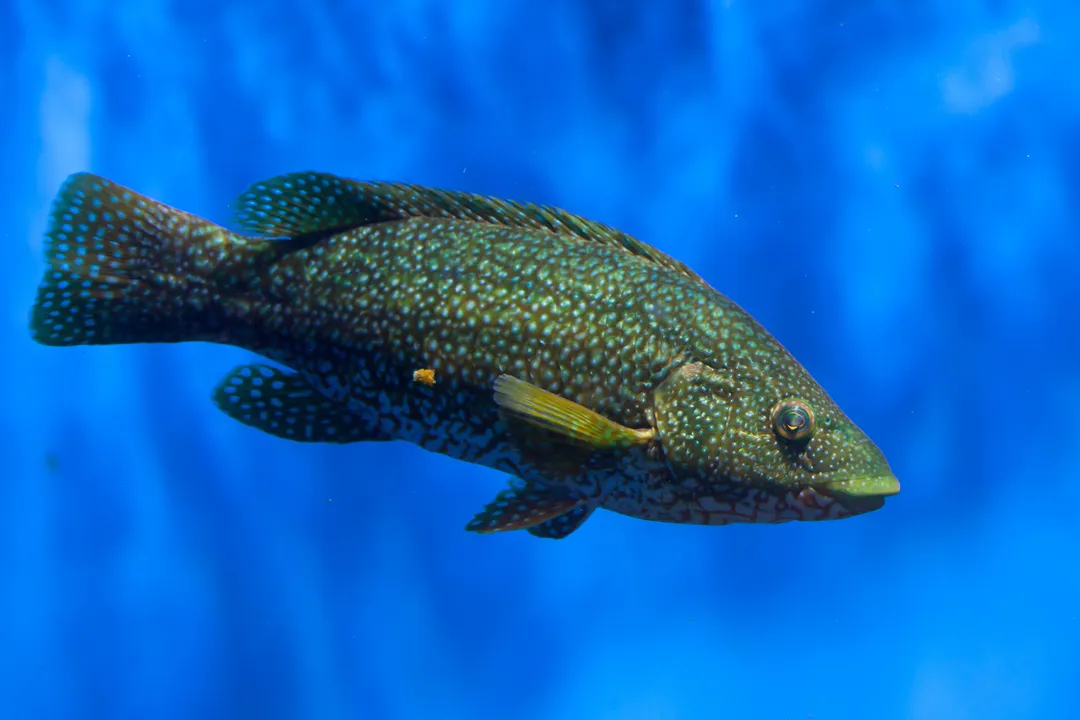
The capacity for wrasses to change sex is a remarkable biological feature identified by the term sequential hermaphroditism. Specifically, the majority of species display protogynous hermaphroditism. This designation means that these individuals are functionally female during the initial phase of their lives. As they mature in age and increase in physical size, they retain the biological potential to later transition and begin functioning fully as males. This transition is often visually marked by significant alterations in coloration, moving towards the brilliant patterns associated with dominant males.
Related Questions
How is the fish name wrasse pronounced, considering the silent letter mentioned?How does the family Labridae rank in terms of sheer numbers among marine ichthyology families?What characterizes the movement style known as labriform locomotion utilized by most wrasses?What specific physical structures do some wrasses employ as 'anvils' for smashing hard-shelled prey?What is the primary activity period for wrasses, and how do they secure themselves during the inactive period?What biological process allows the majority of wrasse species to transition from female to male over their lifespan?What social cue typically triggers the largest female wrasse to undergo sex change in harem-based systems?What physical feature distinguishes mature Humphead Wrasse males and aids in their identification?Why is the Humphead Wrasse classified as Endangered or Vulnerable despite its large size?What common feeding practice for Humphead Wrasse was banned in regions like the Red Sea and Australia due to health concerns?What specific symbiotic service provided by Cleaner Wrasses compels larger predators like groupers to utilize their cleaning stations?