What primary fuel source drives the late summer shift in yellowjacket feeding habits?
Carbohydrates to fuel thousands of adult workers.
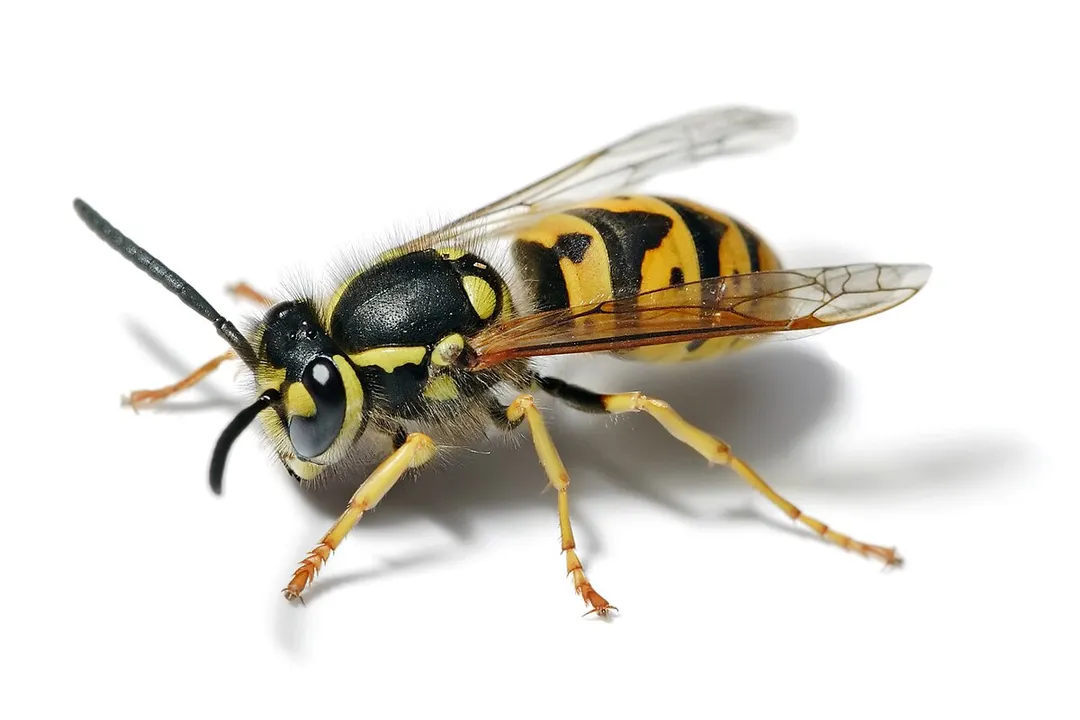
The diet of a yellowjacket colony undergoes a significant metabolic shift as the season progresses. In the early phases of the summer when larvae are developing rapidly, the colony requires high amounts of protein, which adults obtain by preying on insects or scavenging meat. This predatory role is often beneficial for pest control. However, as summer wanes and the focus shifts from larval development to sustaining the massive population of adult workers, the dietary need pivots to carbohydrates. This drives the wasps to seek out sugary items such as spilled sodas, sweet fruits, and picnic desserts, leading to increased, and often unwelcome, interactions with humans during late summer and early fall.
#Videos
"5 Things You Didn't Know About Yellow Jackets!" - YouTube