Yellowjacket (Yellow Jacket) Diet
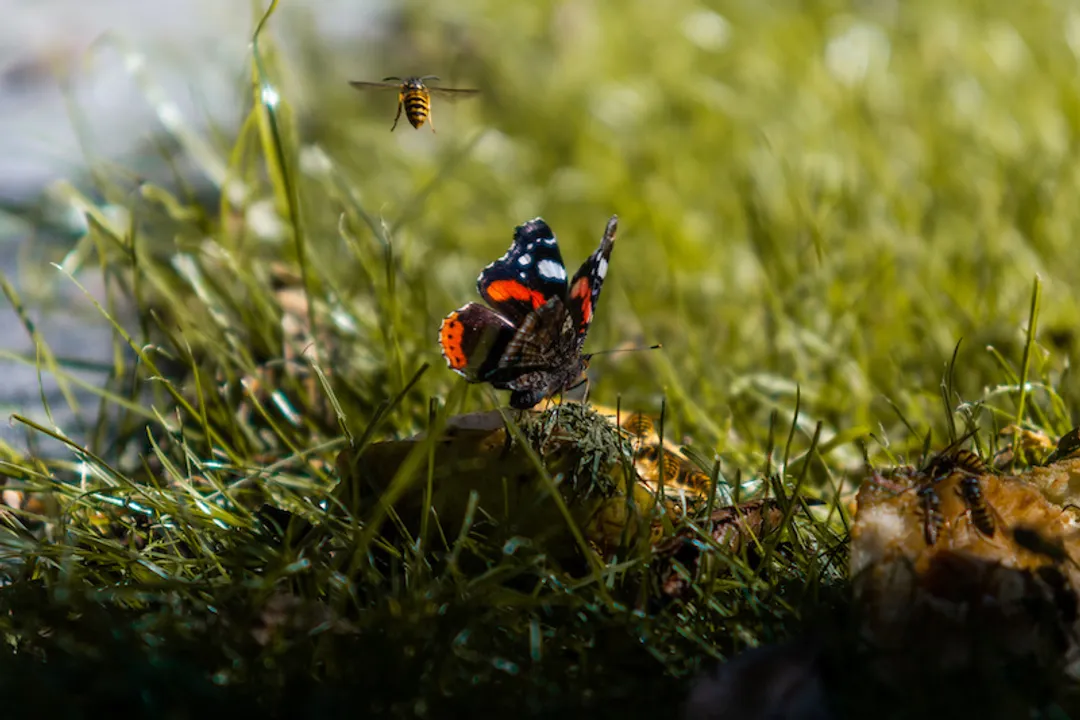
The diet of a yellowjacket is far more complex than many people realize, often shifting dramatically based on the needs of the colony throughout the season. While they are perhaps most notorious for hovering around picnic tables in late summer, their primary food sources and hunting habits are quite different when the colony is first establishing itself or when the focus is on feeding the developing young. Understanding what they eat explains why they are interested in specific things at specific times of the year.
# Larval Needs
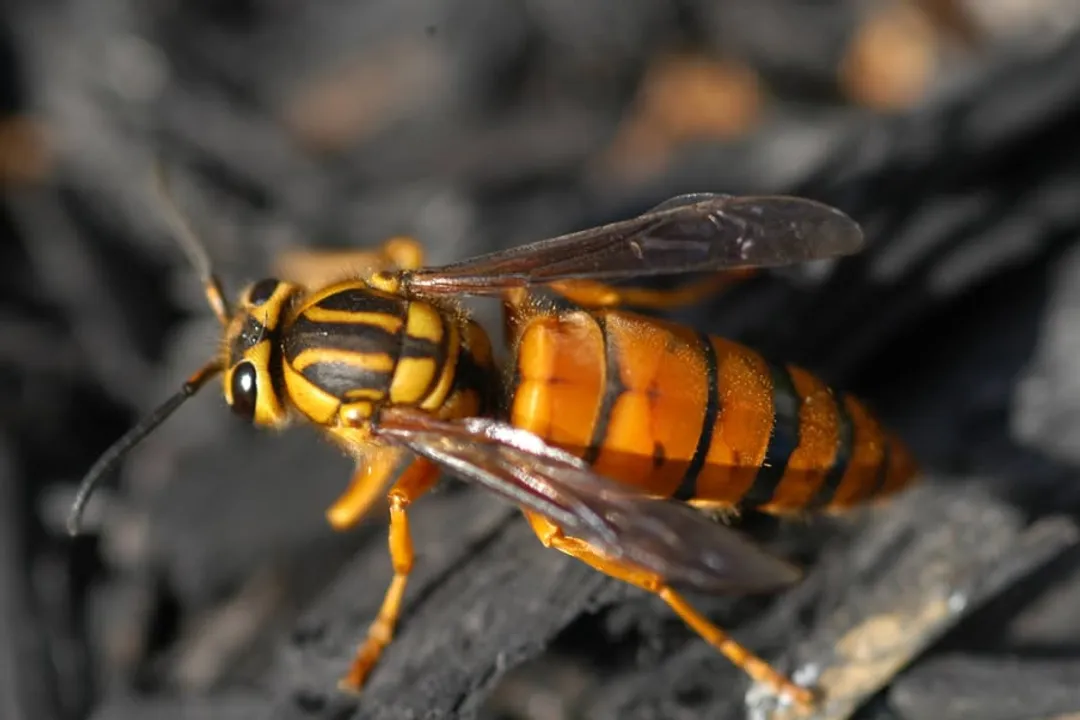
The most crucial dietary distinction lies between the adult wasps and the developing larvae inside the nest. Yellowjacket larvae require high-protein food to fuel their rapid growth. Adult female yellowjackets act as the hunters, bringing back masticated, protein-rich prey to feed the young.
These hunting adults are tireless predators, focusing heavily on insects and arthropods. They target a wide variety of creatures, including flies, caterpillars, spiders, grasshoppers, and even other stinging wasps like honeybees. In essence, the survival and growth of the next generation depend entirely on the continuous supply of animal protein sourced by the foraging workers.
# Adult Fuel
Adult yellowjackets, conversely, do not require protein for their sustenance. Instead, they need carbohydrates for energy to sustain their flying and foraging activities. This fundamental difference in needs drives their behavior.
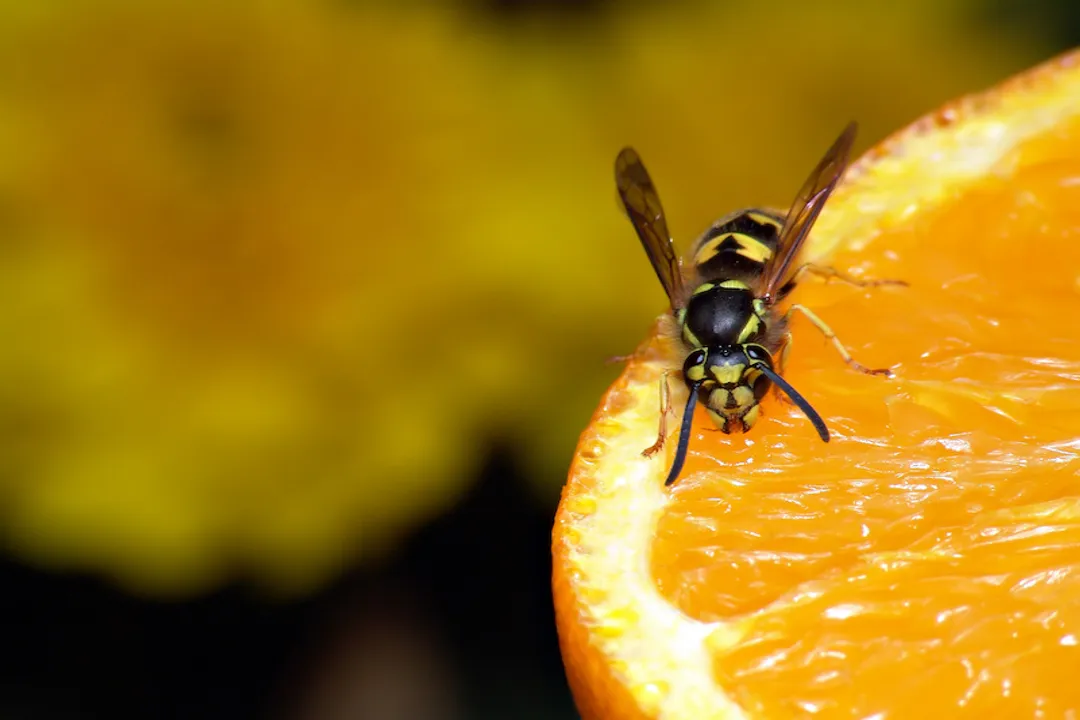
Adults get their energy from sugary substances. This typically comes in the form of ripe or rotting fruit, nectar from flowers, and honeydew—a sweet substance excreted by aphids and other sap-sucking insects. This reliance on simple sugars is why you might observe them feeding on fallen apples in an orchard or probing flowers, activities often overlooked in favor of their later scavenging habits.
When you see a worker feeding on a piece of fruit, it’s usually gathering juice to meet its immediate energy demands rather than collecting food for the nest. This distinction helps explain why a bee-keeping operation might suffer attacks from yellowjackets seeking protein (to feed larvae) or why a homeowner might see them around a fruit tree that has dropped its produce.
# Scavenging Behavior
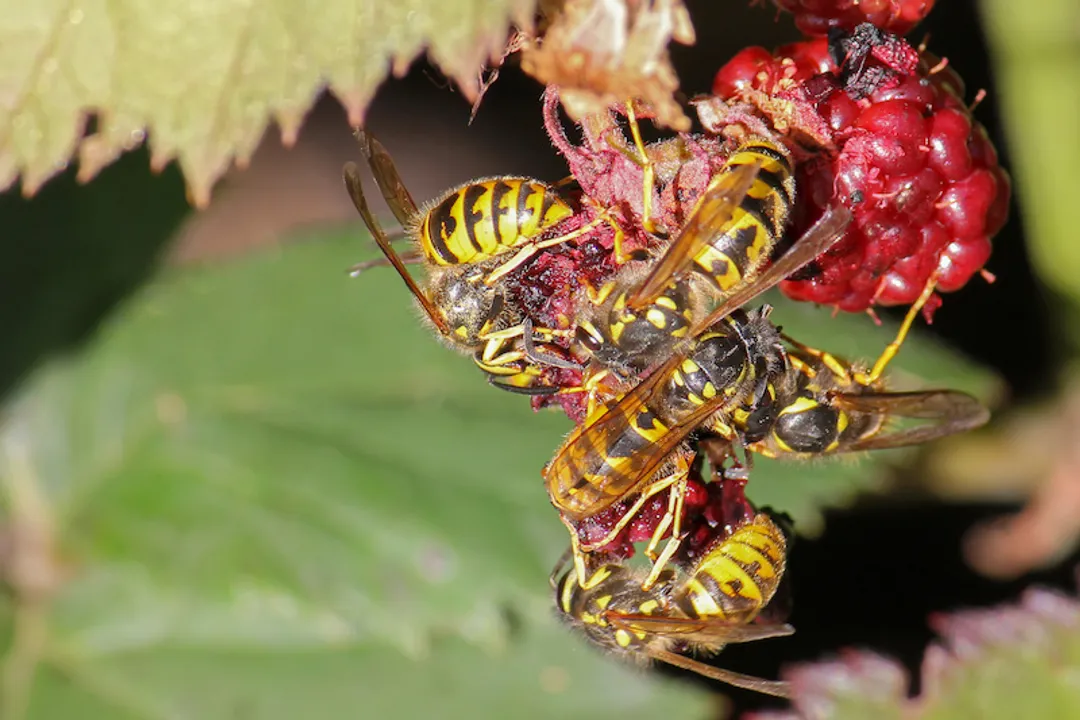
The shift toward scavenging is a distinct behavioral change that typically becomes prominent as the colony reaches its peak population, usually in late summer and early fall. At this point, the need for larval protein starts to slow down, and the colony's focus shifts to preparing for overwintering queens, but perhaps more visibly, the sheer number of hungry adults looking for quick energy sources skyrockets.
Yellowjackets become opportunistic scavengers, drawn to human food sources that offer readily available sugars and proteins. This is when they appear most aggressively around outdoor gatherings, drawn to spilled sodas, sugary drinks, discarded meat, and garbage. Their strong sense of smell helps them locate these concentrated food patches.
It is worth noting that while they prefer hunting live prey when available, their preference turns heavily toward scavenging when the weather cools or when hunting success wanes. For instance, observations shared among entomology enthusiasts sometimes note that yellowjackets will target a carcass or even dead insects they find rather than exert energy hunting live prey, especially if the weather is less than ideal for flight. This late-season scavenging, while annoying to picnickers, is essentially an opportunistic way for the high population density to keep fueled before the colony dies off with the first hard frost.
# Predatory Dynamics
The predatory role of the yellowjacket is essential to local ecosystems, though often overshadowed by their pest status. They act as natural pest controllers by consuming vast numbers of other insects.
Consider a scenario in a garden setting: a colony of Vespula wasps might consume hundreds of caterpillars in a single week to provision its growing brood. They are not selective in the way that some other specialized predators are; they take what they can efficiently catch. A fascinating contrast exists when comparing them to their close relatives, such as paper wasps, which sometimes show more preference for soft-bodied larvae, whereas yellowjackets are often more aggressive in tackling larger, tougher prey like adult grasshoppers or bees. A short video clip showing a yellowjacket tackling a larger beetle illustrates this raw predatory drive.
The efficiency of this predation is also tied to the colony's structure. Since the worker force is sterile and dedicated solely to foraging—both hunting and gathering sugar—the predatory rate is directly linked to the number of female workers flying out each day.
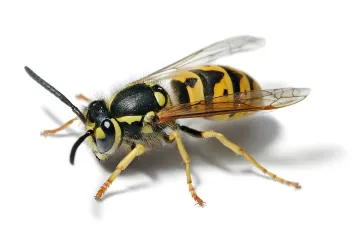
# Managing Dietary Attraction
Knowing the diet allows for surprisingly simple, non-lethal management strategies, especially when hosting outdoor events. Instead of relying only on trapping, which often catches beneficial pollinators or spiders incidentally, a preventative approach based on food timing works well.
If you are hosting a gathering early in the season (spring to mid-summer), the threat is likely lower because the colony is small and the adults are primarily focused on locating live protein for their small number of larvae. The risk increases exponentially as the summer matures and the population explodes.
A practical application of this knowledge involves scent control. Because late-season yellowjackets are strongly attracted to both meat protein and sweet drinks, setting up a "decoy" feeding station away from your main gathering area can be effective. This decoy station should offer a balance of what they seek: perhaps a small bowl of diluted, slightly aged fruit juice (for sugar) near a small piece of raw meat or fish scraps (for protein). By providing an easier, concentrated source of both required elements away from the patio, you redirect their foraging efforts. This is much more effective than relying on sticky traps that indiscriminately capture other beneficial insects.
The adult yellowjacket’s need for immediate carbohydrate energy contrasts sharply with the larvae’s need for stored, masticated protein. This dual diet fuels the colony’s expansion and defines the wasp’s interaction with the human environment throughout the year. While their predatory actions are vital for keeping other insect populations in check, their late-season attraction to human sweets and meats is what makes them the most commonly encountered wasp species during late-summer picnics and barbecues.
Related Questions
#Citations
Yellow Jacket Facts - NatureMapping Foundation
What do Yellow Jackets Eat? Common Backyard Attractants
Yellowjacket Wasps Look for Sweet Things to Eat in the Fall | News
What food do yellow jackets like? - Facebook
What is eating the yellow jacket? : r/Washington - Reddit
Yellowjackets in Virginia | VCE Publications
what do wasps and yellow jackets eat? #wasp #insects ... - YouTube
Your Safety Around Yellow Jackets - National Park Service
[PDF] Yellow Jackets - Pollinator.org