Yellowjacket (Yellow Jacket) Locations
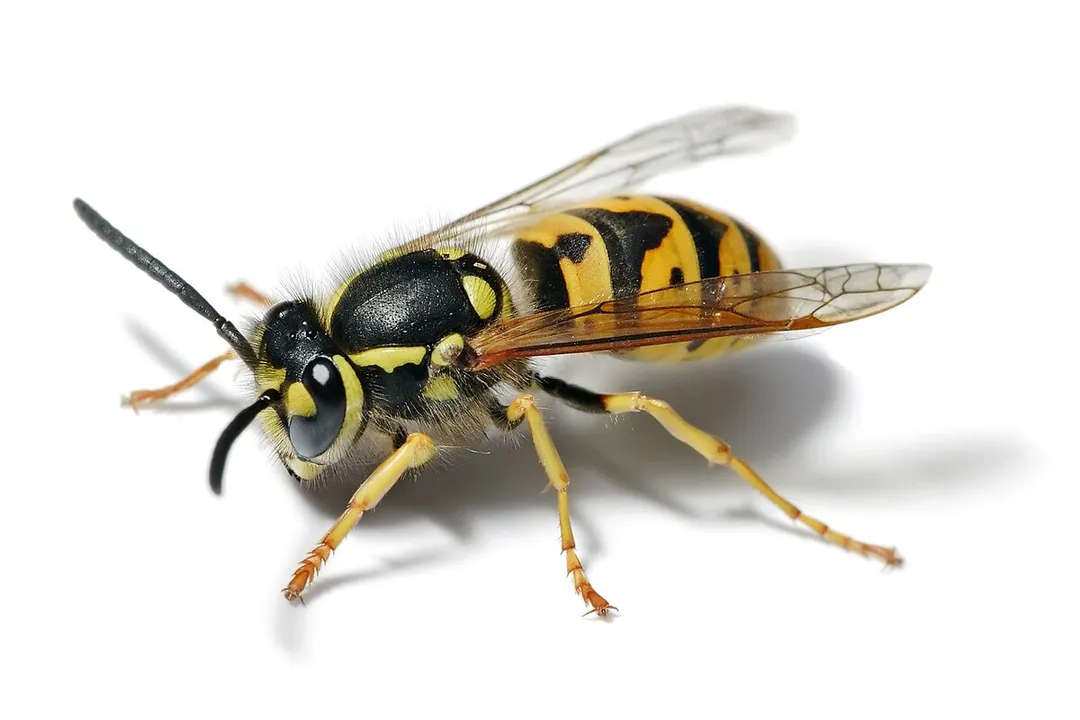
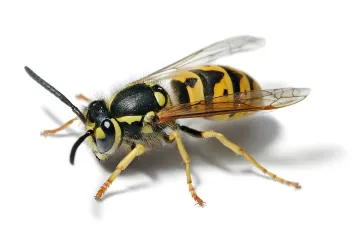
Yellowjackets, known commonly by that name in North America, are predatory social wasps belonging to the genera Vespula and Dolichovespula. While they share black and yellow banding with honey bees, they are distinct, lacking the dense hair and pollen-carrying legs of bees. The primary focus for homeowners and outdoor enthusiasts when dealing with these aggressive, multi-stinging insects is pinpointing the location of their paper nests.
# Preferred Ground Sites
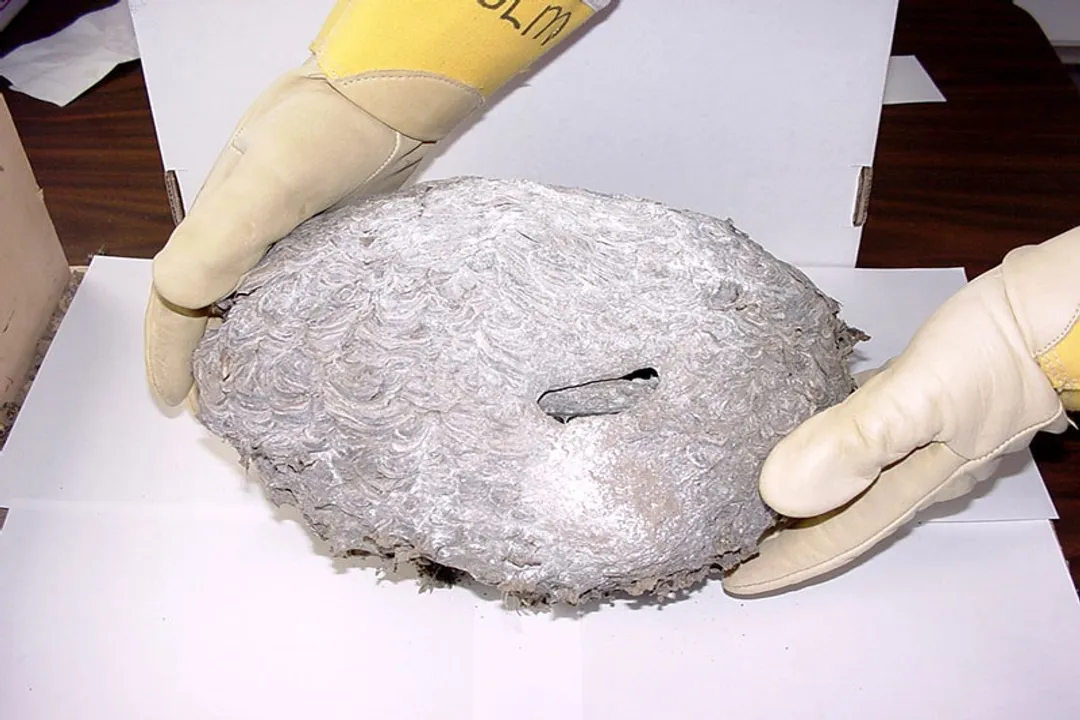
The most common nesting location for many yellowjacket species is beneath the soil surface. Specifically, yellowjackets frequently take up residence in cavities such as abandoned mammal burrows, like those left behind by gophers. For instance, the Eastern Yellowjacket (Vespula maculifrons), a widespread native species in places like Missouri and the eastern US, typically builds its paper nest underground. The nest itself is constructed from a paper-like material made by chewing wood fibers mixed with saliva. Though the colony builds a relatively large, enclosed paper structure, often reaching the size of a basketball by late summer, the only visible evidence from the outside might be a single, unassuming hole in the ground.
It is important to recognize that while an underground nest may seem dormant, an active entrance will show a steady flow of wasps entering and exiting, often with guard wasps hovering nearby. Even if a nest is subterranean, disturbed soil or a consistent buzzing near a specific spot can betray its presence.
One subtle location factor that might be easily overlooked is the proximity to resources. Yellowjackets are highly focused on foraging near their nest. If you notice yellowjackets consistently flying to an established attraction—be it an uncovered trash can, a fallen, decaying fruit, or a pet's food bowl—it is a strong indicator that the nest is relatively close by. In fact, approximately 90% of the foraging activity occurs within a tight radius of about 400 yards of the nest site. This foraging range data offers a helpful initial parameter for your search: focus your initial investigation on the ground within a quarter-mile radius of where you are seeing their sustained activity.
# Cavity Nesting Habits
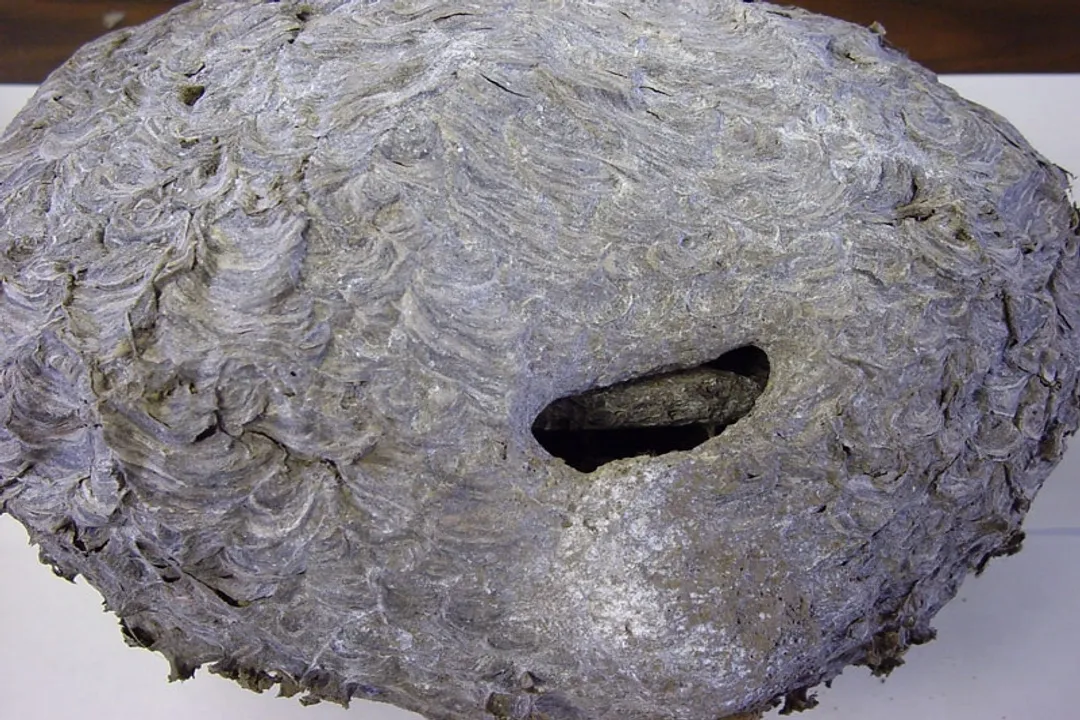
While subterranean dwellings are the rule for many species, yellowjackets are highly adaptable regarding their shelter locations. Nests can be built in various protected, enclosed spaces. This includes cavities within structures, such as wall voids in homes, crawlspaces, or attics.
The German Yellowjacket (Vespula germanica) presents a notable contrast to its ground-nesting cousins; this nonnative species often prefers to build its nests within the spaces between walls in buildings rather than underground. As this species expands its range, encounters with structural nests increase. Beyond human structures, aerial yellowjackets (Dolichovespula arenaria) and bald-faced hornets (which are closely related and sometimes confused with yellowjackets) tend to build exposed aerial nests, often in trees or shrubs. However, for the Vespula species, other above-ground locations like dense vegetation (such as ivy), wood piles, tree stumps, and utility vaults also serve as potential nest sites.
When assessing a property for these less obvious locations, consider areas that offer protection from rain and predators. A nest tucked between stacked bales of hay, for example, has been documented as a successful above-ground location for the Southern Yellowjacket (Vespula squamosa). Furthermore, if you find evidence of ground nesting, it is wise to methodically check the base of dense shrubs or areas with heavy leaf litter, as the entrances can be easily concealed.
# Seasonal Presence and Site Longevity
A critical piece of information for managing yellowjacket locations is understanding that their colonies are generally annual. The queen is the sole survivor of the winter, hibernating in a protected spot like under bark or in leaf litter. She emerges in the spring to start a new nest, and by the first hard frosts of late fall or early winter, the entire colony—workers, males, and the founding queen—dies off. Because old nests are abandoned and rapidly decompose, they are usually not reused the following year. However, a favorable spot that offers the right conditions—an existing, suitable cavity—might be chosen again by a new queen the next spring.
There is an exception to the annual cycle, particularly in the milder Southern US climate. In the southern parts of states like Mississippi, a small percentage of Southern Yellowjacket nests can survive the winter to become perennial nests. These established, surviving colonies can grow to massive sizes, potentially containing tens of thousands of wasps, which makes them significantly more hazardous than typical one-year nests.
A useful practice for property maintenance, stemming from the knowledge that queens start nests in existing cavities, involves proactive management of ground depressions. If you regularly fill in minor holes or depressions in your lawn or landscape beds during the late fall or early spring before new queens become active, you remove prime real estate for potential underground colonies before they become established. This small, seasonal habit can preemptively save a great deal of trouble later in the year.
# Locating Active Nests Safely
Finding an active nest requires observation, patience, and adherence to safety protocols, as disturbed yellowjackets defend their home aggressively. The window for successful tracking is when the wasps are actively foraging. The best observation time is generally when the day has warmed up, specifically between 10 a.m. and 4 p.m., weather permitting. During this period, workers are engaged in their "bee-line" flights—the straight-line trips between the nest and food sources.
To utilize this behavior, the safest method is to remain at a significant distance, using binoculars or a zoom lens to watch where the wasps consistently fly towards and away from. If you know where they are scavenging (like a garbage can or spilled drink), watch the flight path originating from that point.
If a direct observation of the flight path proves difficult, a baiting technique can draw them out consistently. Yellowjackets are attracted to protein (meat or fish) to feed their developing larvae, and also to sugars like fruit juices or sodas. Place a small piece of bait—a square of fish or meat works well—in an open area away from your immediate position. Once a worker picks up the food, follow its trajectory from a safe distance to trace the route back to the nest entrance. Be aware that they do not always fly in a perfectly straight line when carrying prey, which is why patience is key with this tracing method.
When you identify a suspected entrance, mark the spot from a safe distance—using a flag or rock placed near the hole, but never directly in or on the entrance, as this can trigger immediate defensive swarming. A general guideline for homeowners is that if the nest is underground and visible, it is a candidate for DIY treatment (using caution and appropriate nighttime timing). However, if the nest is high in a tree, deep within a structure like a wall void, or otherwise inaccessible, professional assistance is the necessary next step to avoid significant danger.
# Species Distinction in Location
While many species share the underground tendency, understanding which species you might be dealing with can narrow down the search parameters.
| Species Common Name | Scientific Name | Key Nest Location Tendency | Notes on Location/Prevalence |
|---|---|---|---|
| Eastern Yellowjacket | Vespula maculifrons | Underground (often in old burrows) | Very common throughout the eastern US. Occasionally found nesting in wall voids in northern urban areas. |
| Southern Yellowjacket | Vespula squamosa | Primarily underground | May usurp Eastern Yellowjacket nests; more likely to result in large perennial nests in the deep South. |
| German Yellowjacket | Vespula germanica | Cavities, structures | Usually nests between walls of buildings, not underground; expanding range. |
Recognizing the difference is practical. If you see persistent activity around the eaves or siding of a home, the presence of the V. germanica is more likely than a pure ground-nesting native species. Conversely, activity appearing suddenly when mowing a turf area strongly suggests a ground nest, like that of the Eastern Yellowjacket. For yellowjackets that forage for food scraps, their presence near picnic areas, garbage containers, or orchards in late summer is common as natural food sources wane.
It is always worth remembering that while yellowjackets are a significant stinging threat, they also provide ecological services by preying on many insects considered pests to crops and gardens. Their location near human activity is usually due to their opportunistic diet of both insect protein for the young and human-associated sweets and meats for the adults, leading to predictable, high-conflict zones in late summer. Gaining an appreciation for why they are in a specific spot—food, shelter, or both—is key to managing coexistence or removal efforts.
Related Questions
#Citations
[PDF] How to Find an Underground Yellowjacket Nest
How to Find a Yellow Jacket Nests - Mira Home
Yellowjackets - Plant & Pest Diagnostics
Yellowjacket | NC State Extension - TurfFiles
Yellowjacket - Wikipedia
Yellowjackets (Vespula Wasps) - Missouri Department of Conservation
Yellowjackets - Napa County Mosquito Abatement District
Southern Yellowjackets Vol. 2, No. 32 | Mississippi State University ...
Eastern Yellowjacket - Penn State Extension