Yellowjacket (Yellow Jacket) Facts
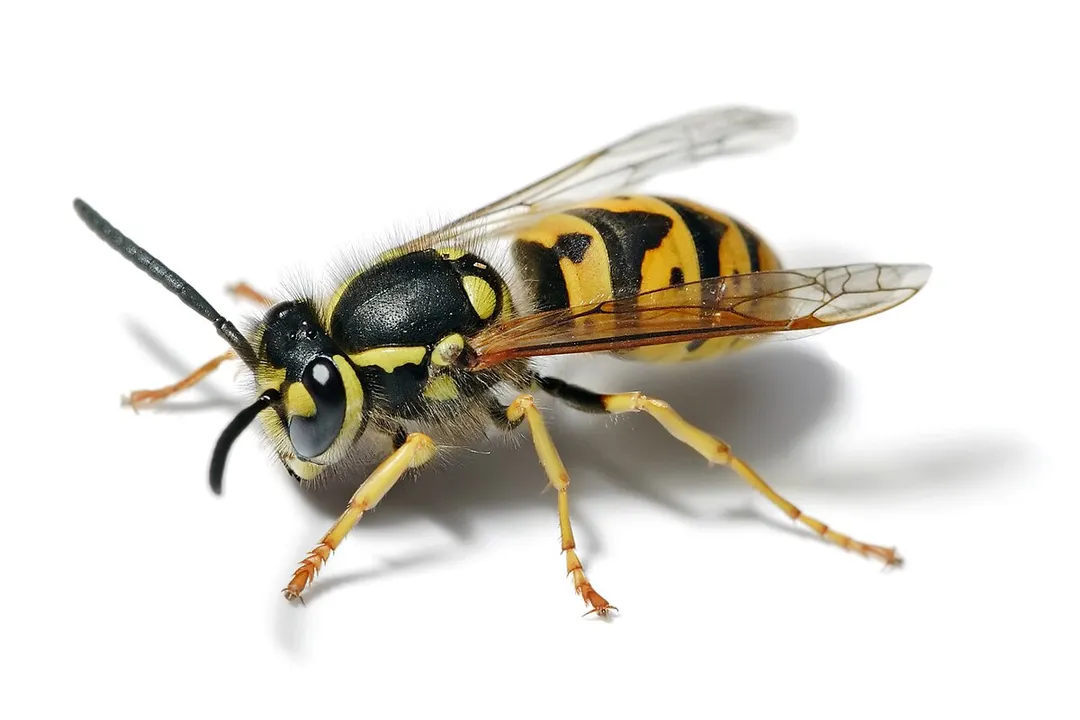
The sight of a black and yellow striped insect hovering around a picnic table often triggers an immediate reaction, usually one of caution or alarm. These flying insects are commonly called yellowjackets, though the term can sometimes be applied loosely to other similar wasps, they primarily refer to species in the genera Vespula and Dolichovespula. While they are often perceived as aggressive pests, especially later in the summer when they become scavengers, yellowjackets are fascinating social wasps with a distinct annual life cycle and a complicated role in the environment. Understanding their biology offers a clearer picture than the fear they often inspire, revealing an industrious insect whose impact shifts dramatically depending on the time of year.
# Appearance
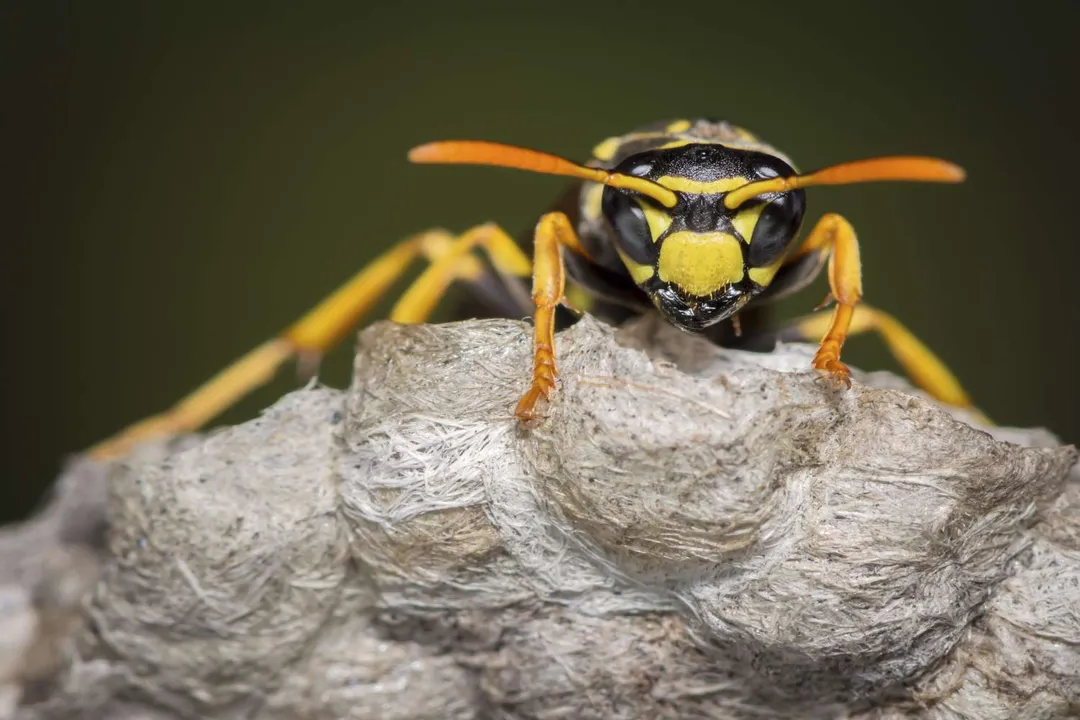
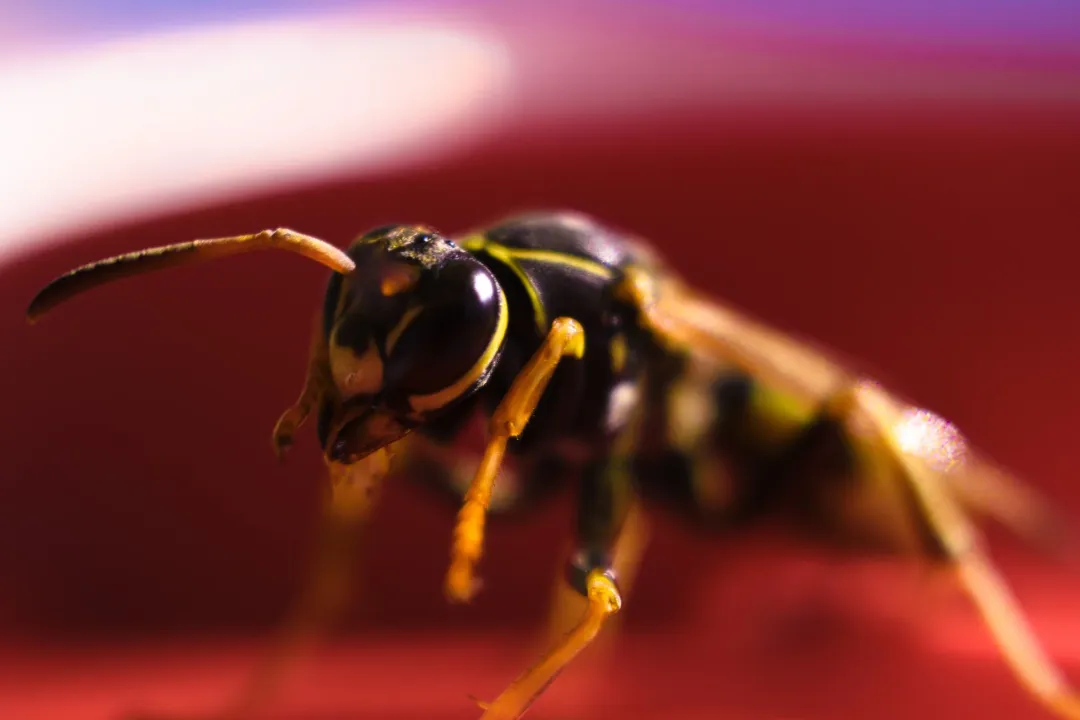
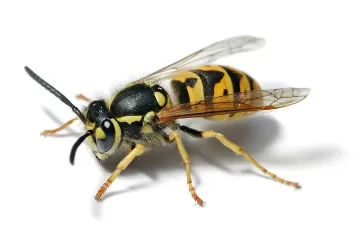
Differentiating a yellowjacket from other stinging insects is crucial for safety and accurate identification. The defining characteristic is the distinct, contrasting pattern of bright yellow and black coloration. They possess the slender waist typical of wasps, often referred to as a "petiole," which clearly separates the thorax from the abdomen. Adult yellowjackets typically measure between 1/2 to 5/8 of an inch in length, though size can vary based on the specific caste within the colony—queens are larger than workers. While bees are generally hairier and their yellow often appears more muted or golden, yellowjackets are comparatively smooth-bodied and their yellow is usually a more vivid, sharp hue. Their legs are often yellow or black, and they have two pairs of wings, which are clear or smoky in appearance. Furthermore, their antennae are black.
# Species Diversity
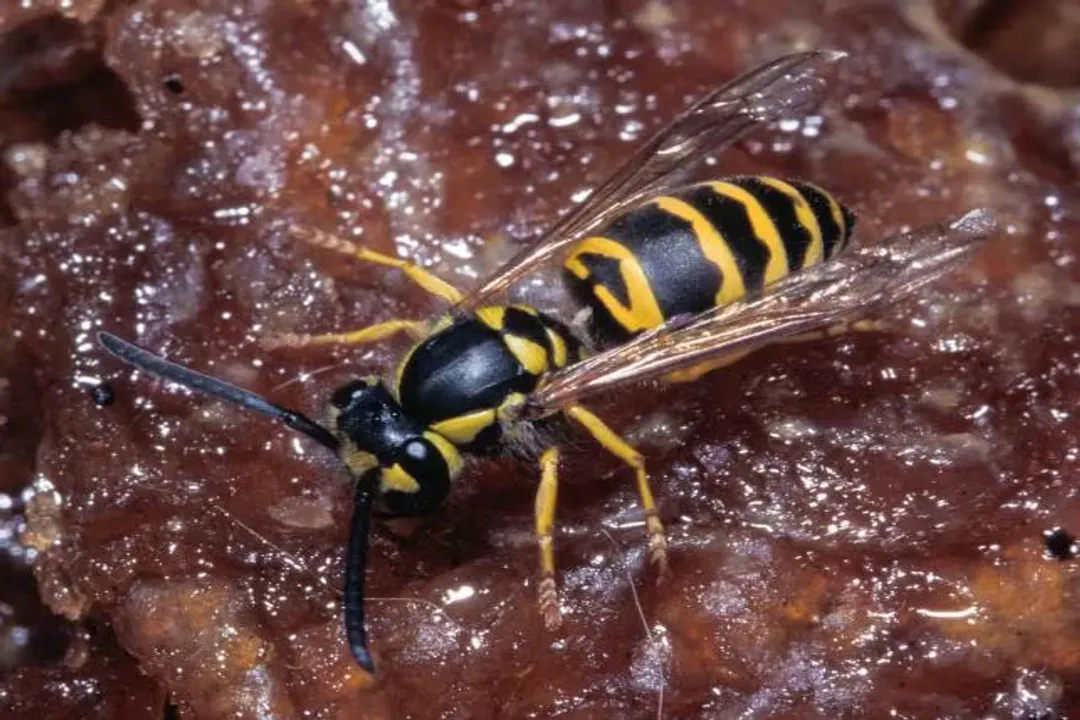
The name "yellowjacket" covers several species, and their habits can vary slightly between them. In North America, for instance, common species include the Eastern Yellowjacket (Vespula maculifrons) and the Western Yellowjacket (Vespula pensylvanica). These wasps belong to the family Vespidae, which also includes hornets and paper wasps. Some species, like the Aerial Yellowjacket (Dolichovespula arenaria), build exposed nests, while others, such as the German Yellowjacket (Vespula germanica) or the Eastern Yellowjacket, prefer to construct their paper nests underground or in wall voids. A key point for residents in areas where these wasps are common is recognizing that ground nests, often hidden by grass or debris, are frequently the source of surprise encounters. The exact coloration and pattern can serve as a distinguishing feature for entomologists, but for the casual observer, the bright yellow and black pattern is the universal identifier.
# Colony Cycle
The life cycle of a yellowjacket colony is strongly annual, meaning that the entire colony dies off each winter, with only the new, mated queens surviving the cold months. The cycle begins in the spring when a newly mated queen emerges from hibernation. She is responsible for founding the colony, selecting a nest site, and constructing the initial paper nest structure. Initially, she gathers food to feed the first generation of workers she raises. Once these first sterile female workers mature, they take over all foraging, nest expansion, and brood care duties, allowing the queen to focus solely on egg-laying. The colony grows rapidly throughout the summer, potentially reaching thousands of individuals in a well-established nest. By late summer and early fall, the colony reaches its peak population and begins producing new males and queens, which are the reproductive individuals that leave the nest to mate. After mating occurs, the new queens seek suitable overwintering locations, and the original queen, the workers, and the males die off as temperatures drop.
# Nest Construction
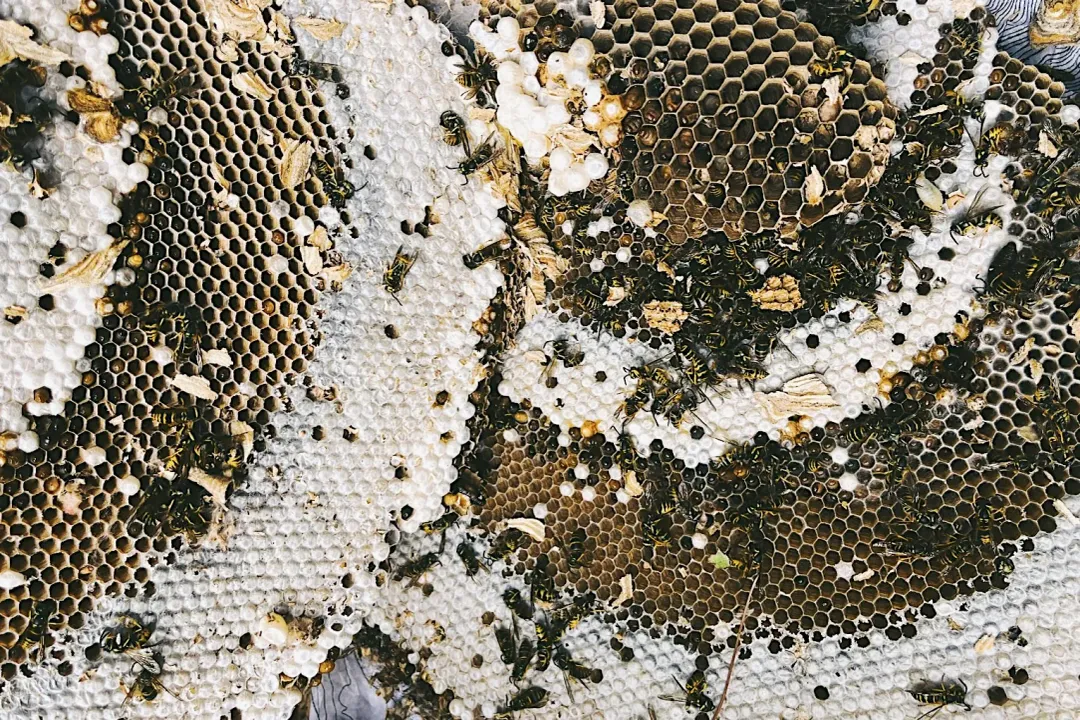
Yellowjackets are known for their impressive, albeit sometimes inconvenient, nest-building abilities. Unlike honeybees that reuse hives, yellowjackets build a new nest every year. Their nests are constructed from wood fibers that the workers chew up and mix with saliva to create a papery pulp, which dries into a material resembling gray paper. Nests can be built in various locations, which is a significant factor in human interactions. Species like the Eastern Yellowjacket frequently excavate cavities in the ground, often reusing old rodent burrows or creating new ones. Other species prefer building exposed aerial nests, usually suspended from tree branches, eaves, or in attics. Regardless of location, the nest is typically an enclosed structure with an entrance hole at the bottom. Internally, the nest consists of several tiers of horizontal, paper-covered combs where the brood develops. The size a nest reaches by late summer can be quite substantial, sometimes containing thousands of cells. If you are observing an area and notice yellowjackets repeatedly entering the ground in a localized area, it is a strong indicator of a subterranean nest, which requires extreme caution.
# Diet Shifts
The diet of the yellowjacket changes significantly as the colony matures, which directly influences when they become a nuisance to humans. In the spring and early summer, the yellowjackets are primarily focused on feeding their developing larvae. At this stage, their diet consists mainly of protein, which they acquire by hunting other insects, spiders, and scavenging small pieces of meat or fish. This predatory activity is actually beneficial, as they help control populations of garden pests. However, as the summer progresses and the need to feed larvae decreases, the colony's focus shifts toward carbohydrates to fuel the thousands of adult workers. This change drives them toward sugary foods, leading them to frequent human activity areas to scavenge fruit, spilled sodas, sweets, and sugary picnic food. This shift from pest control agent to picnic invader is why they are so frequently encountered around outdoor meals in August and September.
# Aggression and Defense
Yellowjackets are often described as more aggressive than paper wasps or bumblebees, though their defense is strongly tied to nest proximity. Unlike honeybees, yellowjackets can sting repeatedly because their smooth stinger does not detach upon use. They use their stingers for defense and subduing prey. When a yellowjacket feels its nest is threatened, it releases an alarm pheromone that incites other nearby workers to join the attack, leading to a mass stinging event. This communal defense mechanism is why approaching an active nest, especially one in the ground, is extremely dangerous. While they are generally docile when foraging away from the nest, a disturbed colony will defend itself fiercely.
To manage interactions, especially if you suspect a nest is nearby, a good practice is to avoid sudden movements or swatting; often, a slow retreat is the best first step. Furthermore, recognizing the difference between foraging activity and defense response is helpful. If a few individuals are buzzing around a discarded soda can fifty feet from a structure, they are likely just feeding; if they are aggressively patrolling an entrance near your patio, the nest is nearby.
| Stage of Colony | Primary Food Source | Typical Interaction Risk |
|---|---|---|
| Early Summer (Larvae Focus) | Protein (insects, meat) | Low, unless near hunting grounds |
| Late Summer/Fall (Adult Focus) | Carbohydrates (sweets, sugars) | High, due to attraction to human food |
| Nest Disturbance (Anytime) | N/A | Extremely High (defensive attack) |
| [^cite: 1][^cite: 4][^cite: 8] |
# Identification Comparison
It is important to accurately identify what you are dealing with, as management strategies differ based on the insect. While bees are furry and generally interested in flowers, yellowjackets are sleek and focused on hunting or scavenging.
Here is a simple comparative breakdown:
- Yellowjackets vs. Honeybees: Honeybees are rounder, significantly hairier, and only sting once before dying. Yellowjackets are slender, smooth, and can sting repeatedly. Bees prioritize pollen and nectar; yellowjackets prioritize protein and sugar later in the season.
- Yellowjackets vs. Paper Wasps: Paper wasps (Polistes spp.) are also yellow and black but typically have longer legs that dangle during flight. Their nests are distinctive, open, umbrella-shaped combs, completely lacking the thick, papery envelope that encloses a yellowjacket nest. Paper wasps are also generally less aggressive than yellowjackets unless their single, exposed comb is threatened.
# Safety Practices
Given their stinging capability and tendency to defend their nests aggressively, adhering to safety guidelines is paramount when yellowjackets are present. If you have discovered a nest, particularly a ground nest, the safest approach is professional removal, as attempting DIY removal, especially with a ground nest, carries a very high risk of multiple stings.
For general interaction avoidance outdoors, keeping food and sugary drinks covered is the simplest measure. When eating outside, try to clean up spills immediately; the residual sweetness is a strong attractant. If you are camping or picnicking in an area known for yellowjackets, setting up a "decoy" food source away from your primary gathering spot can sometimes draw the foraging wasps there instead of to your table, though this is not a foolproof method and requires active monitoring of the decoy. Remember that they are drawn to bright colors, which can sometimes inadvertently resemble flowers to them, though the primary lure in late summer is food odor.
If you must work in an area where you suspect yellowjackets are nesting—for example, gardening near a suspected ground nest—wearing long sleeves, long pants tucked into socks, and protective headwear minimizes skin exposure, although this offers little defense against a mass attack once the pheromone is released. Never seal a ground nest entrance, as this traps the angry colony inside, potentially causing them to chew out through a different, unexpected path, perhaps into a nearby home foundation. The safest action when identifying a nest is always to call pest control experts who have the appropriate protective equipment and removal knowledge.
#Videos
"5 Things You Didn't Know About Yellow Jackets!" - YouTube
Related Questions
#Citations
Yellowjacket Fun Facts - Betterbee
Yellowjacket - Wikipedia
9 Things You Should Know About Yellow Jackets
What You Need to Know About Yellow Jackets - Southern Living
Yellowjacket Facts for Kids
"5 Things You Didn't Know About Yellow Jackets!" - YouTube
Yellowjackets: Photos & Facts - Nooga Honey Pot
Yellowjackets (Vespula Wasps) - Missouri Department of Conservation
Your Safety Around Yellow Jackets - National Park Service