Yellow Perch Facts
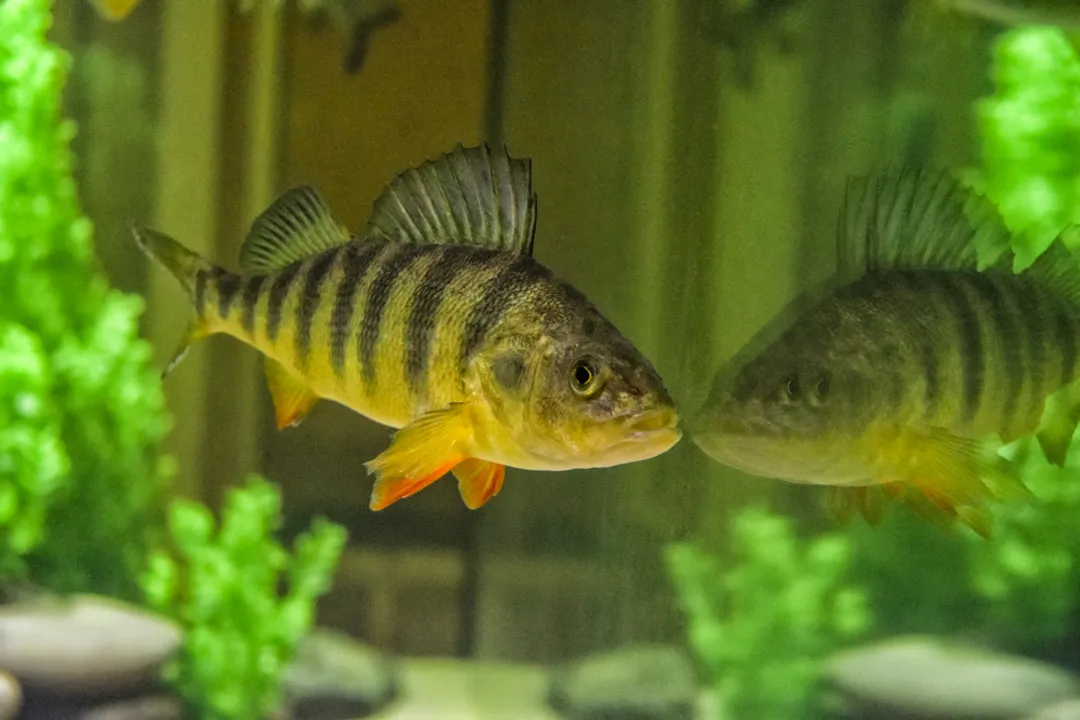
The yellow perch, scientifically known as Perca flavescens, is a fish that holds a special place in the hearts of anglers across North America, not just for its fine taste but for its ubiquitous presence in cold, clear waters. This species thrives in lakes and streams throughout much of Canada and the northern and eastern United States, often forming large, sometimes sprawling populations. Often recognized by its common name, which speaks to its coloration, the perch is actually a member of the Percidae family, which also includes walleye and sauger. Understanding the basics of this popular game fish reveals much about its ecological role and why it presents such a consistent fishing target year-round.
# Appearance Defined
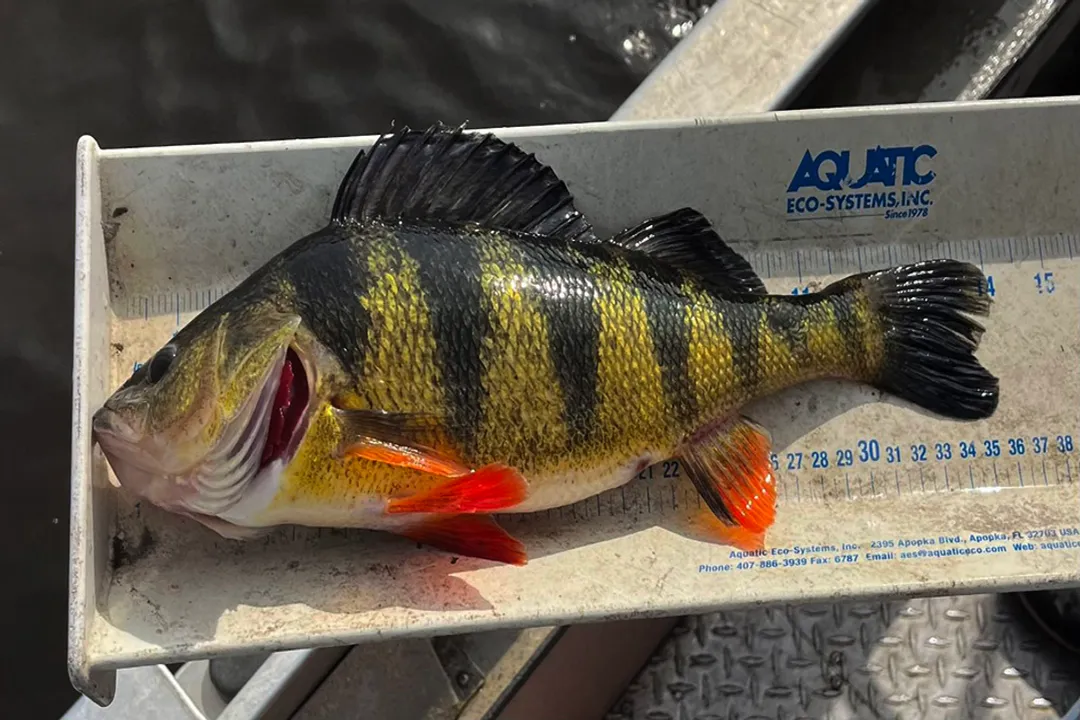
The classic look of a yellow perch is quite striking and easily identifiable, though coloration can vary significantly depending on the specific water body. Generally, they possess an olive-yellow to golden-yellow body color. A key identifying feature is the presence of six to eight distinct, dark, vertical bars running down their sides, which helps distinguish them from some similarly colored relatives. These bars are usually more prominent on younger fish. Their undersides are typically white or creamy.
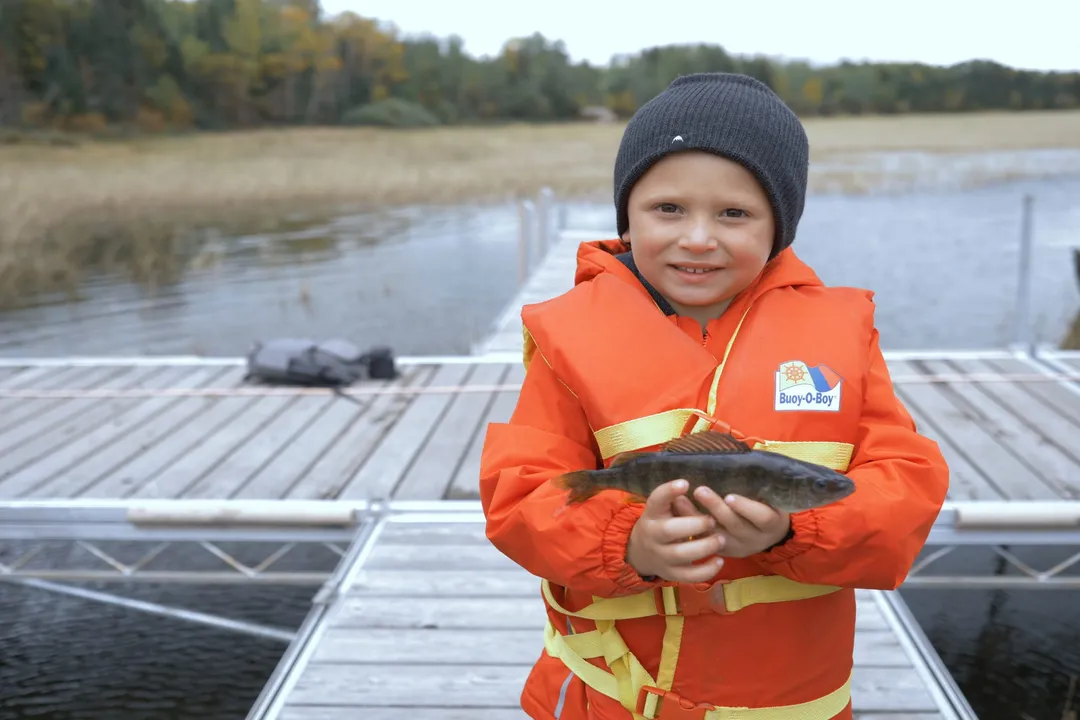
When discussing size, it’s important to note the wide range they can achieve. While many anglers catch "panfish" size perch, usually under a foot long, they are capable of growing much larger. In some deep, productive waters, they can exceed 18 inches in length and weigh over 4 pounds. The dorsal fins are a key characteristic; they have two dorsal fins, the first being spiny and the second soft-rayed. The eyes are often described as having a somewhat reddish or orange tint, adding to their distinctive profile. Sexual dimorphism, where males and females look different, is subtle in this species, though mature males may develop a slightly darker overall hue, especially during the spawning season.
# Water Home
Yellow perch are remarkably adaptable, but they show clear preferences regarding their environment, which dictates where anglers should focus their efforts. They are generally considered a cool-water species. Ideal water temperatures for survival and growth typically range from the low 60s Fahrenheit, though they tolerate a broader spectrum depending on the season.
Their preferred habitat includes a wide variety of water bodies, from small, shallow ponds to large, deep glacial lakes, as well as medium to large rivers. Clarity is often a factor; they are most abundant in clear waters, though they can persist in somewhat turbid conditions. A critical component of their habitat is the presence of submerged aquatic vegetation, which provides cover for young perch and habitat for the invertebrates they feed on.
Within these water bodies, their location shifts seasonally. During the summer months, larger adults often retreat to deeper, cooler, and darker waters. Conversely, in the winter, they often congregate in shallower areas, sometimes near drop-offs or weed edges, which is why ice fishing for perch is so popular. Understanding the relationship between depth, temperature, and light penetration is crucial for locating them throughout the year. For example, an insight for the persistent angler is that following sharp cold fronts in early spring, even in large lakes, look for perch staging near sandier, shallower flats adjacent to deeper water, as this signals pre-spawn movement into warming, accessible zones before they head to traditional spawning grounds [Original Insight 1].
# Diet Diversity
The yellow perch is an opportunistic and generalized predator, meaning its diet shifts dramatically as it grows, allowing it to fill various ecological niches within its ecosystem. Young perch, or fry, begin life feeding on zooplankton, such as Daphnia and copepods. This planktonic diet forms the foundation of their early life, sustaining the rapid growth needed to avoid being eaten by larger fish.
As they grow larger, their feeding habits transition to include larger prey items. Once they reach juvenile or small adult size, they shift to consuming small invertebrates found on the bottom or in aquatic vegetation, such as insect larvae (like chironomids), amphipods, and small crayfish.
The mature, larger yellow perch are decidedly more piscivorous, meaning they eat other fish. Their diet in this stage heavily features smaller forage fish like minnows, shiners, darters, and sometimes even the young of their own species. This predatory nature makes them both a predator and a competitor within the aquatic food web. This flexibility in diet is one reason they thrive in so many different environments; they can switch to whatever food source is most abundant at the time.
# Spawning Rituals
The timing of reproduction for yellow perch is strongly tied to spring warming trends. Spawning typically occurs relatively early in the spring, often as soon as the ice has left the water and water temperatures begin to reach about 45 to 50 degrees Fahrenheit. This timing places them among the earlier spawning fish in many northern systems.
Unlike some fish that build nests or guard their eggs, yellow perch exhibit a more broadcast approach to reproduction. They are not nest builders. Instead, the females deposit their eggs—sometimes numbering in the tens of thousands—in long, gelatinous ribbons or strands. These egg masses are generally attached to submerged vegetation, sticks, or debris found in shallow, slow-moving, or still water areas. The eggs require these firm substrates for attachment.
Once laid, the eggs receive no parental care. The gelatinous mass protects the developing embryos until they hatch, usually within 10 to 30 days, depending on the water temperature. The sex of the young fish is determined genetically, but environmental factors like water temperature play a large role in the timing and success of the hatch. A fascinating observation is that in systems with high populations, or where conditions favor large hatches, the sheer volume of resulting fry can sometimes stress the zooplankton population, leading to a temporary food shortage for the next size class of perch [Original Insight 2].
# Life Cycle Dynamics
Yellow perch are generally considered moderate-lived fish, with lifespans often reaching 6 to 8 years in the wild, though individuals in prime conditions can exceed 10 years. Growth rates are highly dependent on food availability, population density, and water temperature. In systems where they are overabundant or food is scarce, they may mature slowly and remain stunted, perhaps rarely exceeding 6 inches. Conversely, in rich, less-crowded environments, they exhibit faster growth and reach trophy sizes more frequently.
They reach sexual maturity relatively quickly, often by ages 2 to 4. Males usually mature slightly earlier than females.
As schooling fish, yellow perch exhibit distinct aggregations. They form schools based largely on size, though in the spawning season, large groups of both sexes congregate near the shallow areas designated for egg-laying. These schools can be dense, especially in winter when they concentrate in predictable, deeper channels or near structure. This schooling behavior is a key defense mechanism against larger predators like northern pike, walleye, and various birds of prey.
# Angling Appeal
The yellow perch is one of the most sought-after panfish across its range, rivaled perhaps only by crappie or bluegill in certain regions. They are valued both for their aggressive biting tendencies and their superb eating quality.
As a table fare, the meat of the yellow perch is highly regarded; it is firm, white, and flaky, often considered superior to many other panfish. Because they are often found in large schools, anglers who locate a productive school can often catch dozens of fish in a single outing, making them an excellent target for family fishing trips or for stocking up the freezer.
Anglers target them across all seasons. In open water, they often respond well to small jigs, small minnows, or worms presented near weed lines or drop-offs. During the ice fishing season, their behavior is key; they can be found suspended in the water column or holding tight to bottom structure. Effective ice fishing presentations typically involve small spoons or jigs tipped with live bait, presented with subtle jigging motions. Because they school tightly, when you catch one, the immediate action is to stay put, as more are usually nearby.
The challenge in fishing for perch often lies in correctly judging their mood; sometimes they strike aggressively, and other times they require very slow, subtle presentations to detect their light bite.
| Feature | Typical Range/Value | Notes |
|---|---|---|
| Scientific Name | Perca flavescens | Belongs to the Percidae family. |
| Maximum Age | 6–10+ Years | Highly dependent on environment and density. |
| Spawning Temp | 45°F – 50°F | Occurs early in the spring after ice-out. |
| Key Identifier | 6 to 8 Dark Vertical Bars | Distinguishing feature on a yellowish body. |
| Preferred Food (Adults) | Small Fish, Invertebrates | Opportunistic, switching from zooplankton as juveniles. |
This species occupies a central role in many freshwater food chains. Their sheer numbers and adaptability mean they serve as a vital forage base for larger predator fish while also controlling populations of smaller invertebrates. Their success is tied closely to water quality and the health of submerged aquatic habitats, making them an excellent indicator species for the overall health of the lake or river system they inhabit. Successfully managing a fishery that includes yellow perch means balancing the harvest with the conservation of the underlying ecosystem structure, especially those critical weed beds they rely on for reproduction and cover.
Related Questions
#Citations
Yellow Perch (Perca flavescens) | U.S. Fish & Wildlife Service
Yellow perch - Wikipedia
Yellow Perch | Squam Lakes Natural Science Center
10 Yellow Perch Facts - Superior Country
Perca flavescens - Yellow perch - Animal Diversity Web
Maryland Fish Facts: Yellow Perch
Yellow Perch | Virginia DWR
Yellow Perch | A Comprehensive Species Guide - Wired2Fish
Species Profile - Yellow Perch | Minnesota DNR
[PDF] Species Profile: Yellow Perch, Perca flavescens