What primary factor contributes to the near-equal weighting of birds, lizards, and conspecifics in the De Hoop dietary data?
Balanced availability when primary rodent sources are not overwhelmingly dominant
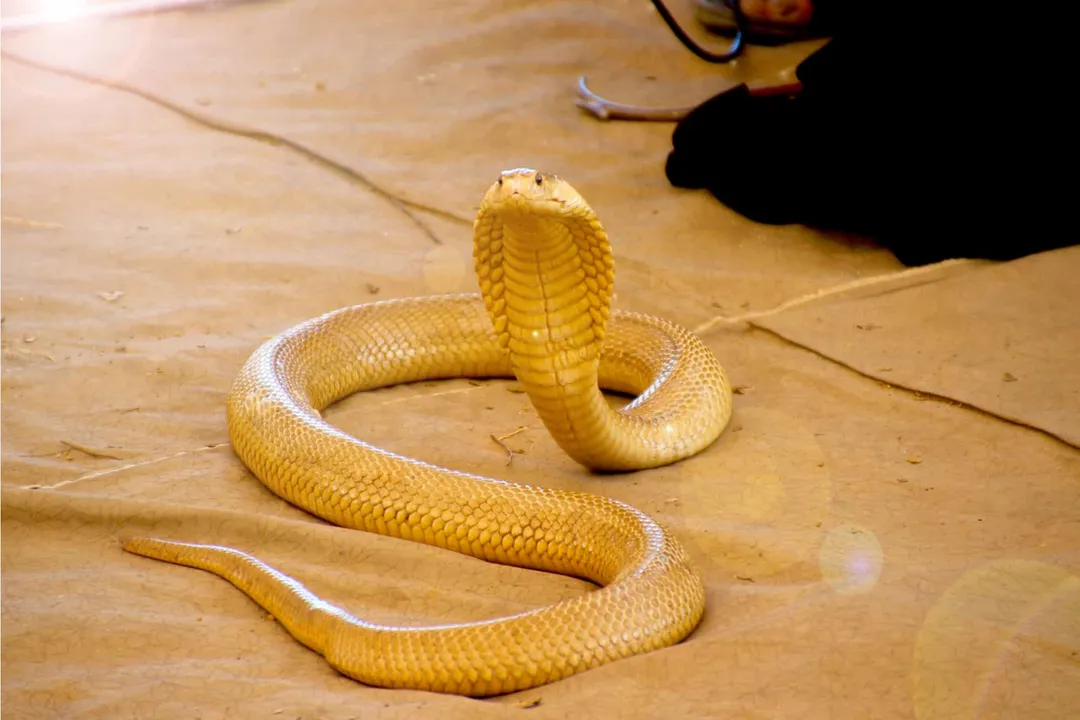
The dietary statistics recorded at De Hoop between 2004 and 2006 showed birds, lizards, and conspecifics each accounted for 11% of the diet, nearly equaling the 16% attributed to carrion and 20% from other snakes, contrasting sharply with the 31% from rodents. This near-equal weighting suggests a situation where the primary, staple food source—rodents—was available but perhaps not overwhelmingly dominant compared to secondary sources. When this balance occurs, the cobras exhibit intense diversification, utilizing multiple available resources intensely rather than relying heavily on any single secondary food category, illustrating their powerful adaptability for survival.