What observation describes the historical coat color variation of Welsh Black cattle?
Answer
They were sometimes referred to as 'Welsh Black and White' due to significant white markings
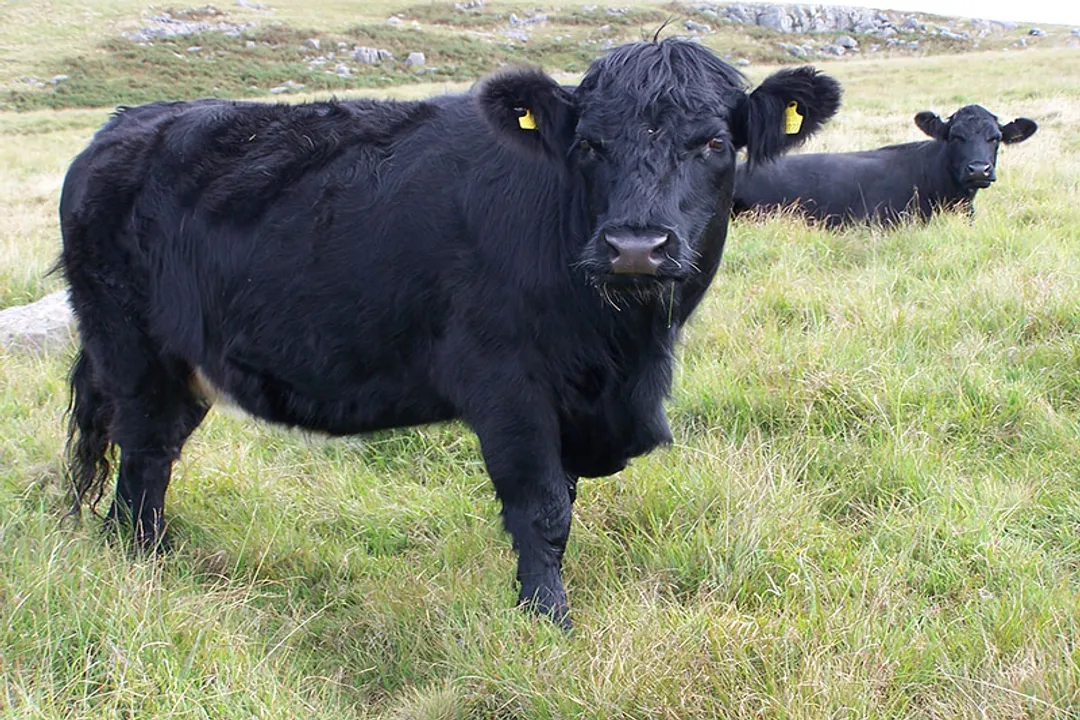
Although the modern standard for the Welsh Black breed heavily favors a solid black coat, historical animals belonging to this type frequently displayed significant white markings. This historical variation suggests that the cattle were sometimes known as 'Welsh Black and White,' indicating a spectrum of pigmentation rather than a single, fixed color phenotype. This diversity found even today, sometimes appearing around the eyes or udder of modern cattle, is a reflection of the wide genetic variability present before strict breed standards were officially applied.
Related Questions
What dual purposes did Welsh Black cattle historically fulfill for Welsh farmers?Which specific breeds did farmers introduce that diluted the Welsh Black genetics during the 20th century decline?What organization was established to formally record eligible animals and conserve the Welsh Black bloodline?What observation describes the historical coat color variation of Welsh Black cattle?What environmental pressure shaped the ancestral cattle developing within Wales?What economic advantage stems from the inherent robustness of Welsh Black cattle on lower-input systems?Which project aims to uncover more about the deep origins of the Welsh Black cattle lineage?In which international location has the Welsh Black breed's ability to cope with dry conditions been particularly valued?Evidence suggests the ancestors of Welsh Black cattle roamed the area as far back as which ancient period?Besides foraging ability, what reproductive strengths are Welsh Black cattle renowned for today?