Welsh Terrier Evolution
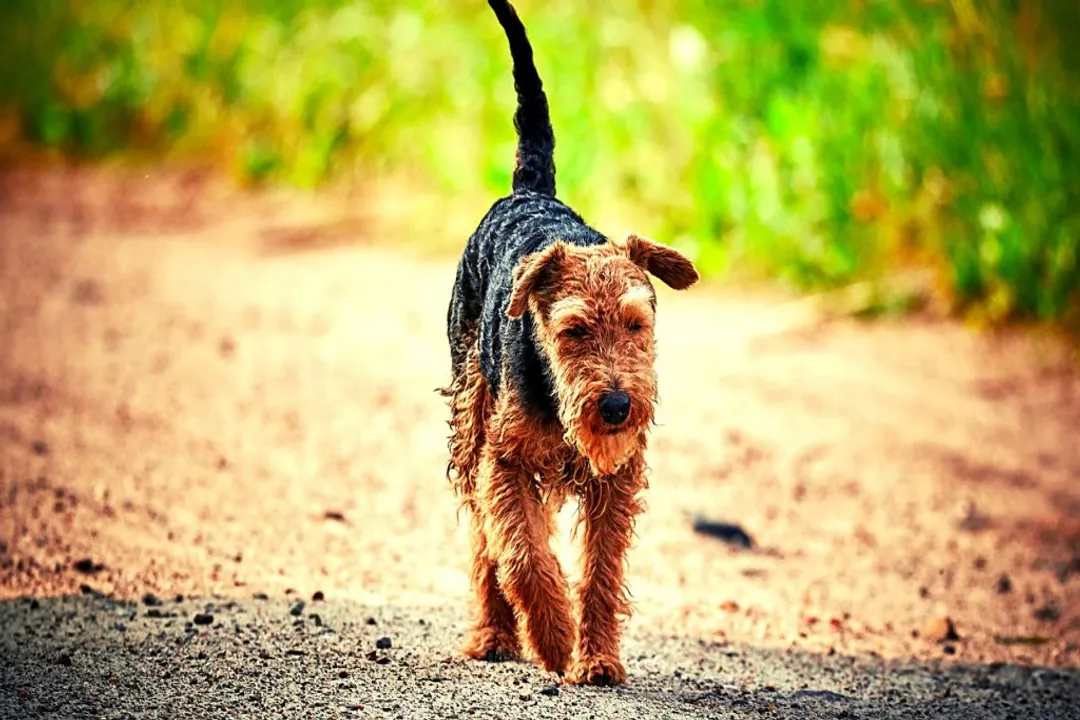
The story of the Welsh Terrier, a handsome dog with an unmistakable silhouette, is deeply etched into the rugged landscape of Wales, reflecting centuries of function and determined preservation. This lively breed didn't spring forth fully formed; rather, it evolved from the necessity of a working dog capable of handling the tough environments and specific vermin found in the Welsh hills and valleys. It is a history rooted firmly in utility, where appearance was secondary to grit and effectiveness below ground.
# Ancient Stock
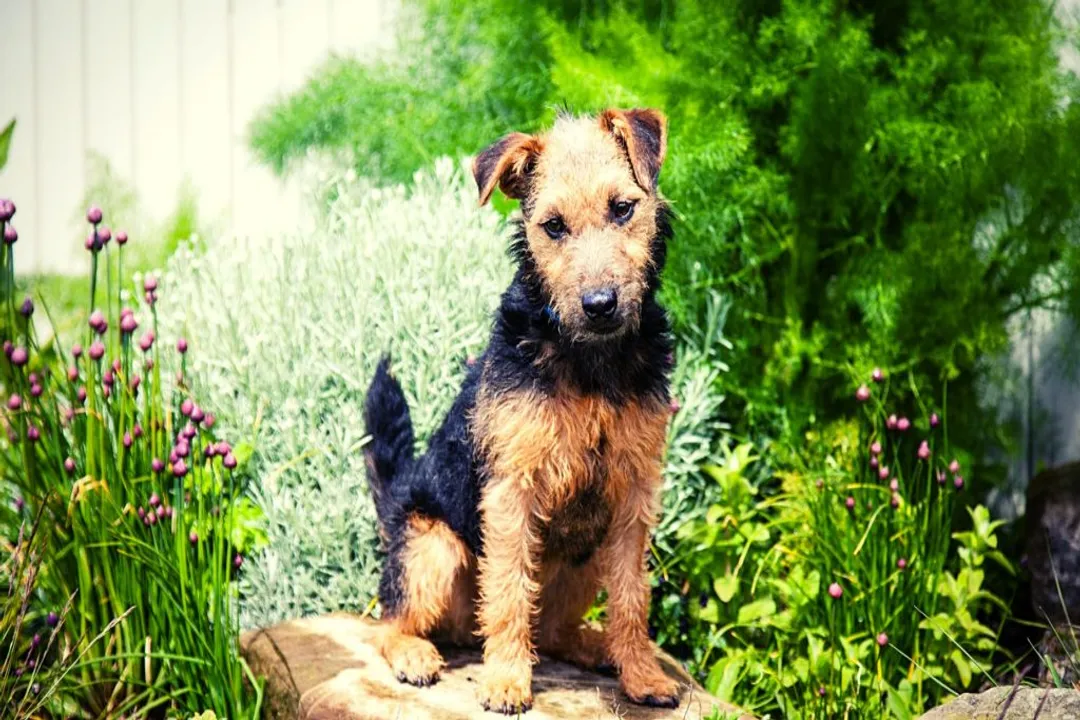
The earliest known ancestors of the Welsh Terrier likely emerged from the native stock of Welsh terriers, sharing a common heritage with the Old English Black and Tan Terrier. These foundation dogs were regional variations, differing perhaps slightly in size or colour, but united by their core purpose: dispatching troublesome predators and pests on farms and estates. They were built for endurance and courage, essential traits when confronting creatures like foxes, badgers, and otters in their dark, confined dens across the often wet and unforgiving Welsh countryside.
# Similar Silhouette
It is impossible to discuss the Welsh Terrier without mentioning its more famous cousin, the Airedale Terrier. The Welsh Terrier is often described as a miniature version of the Airedale, sharing a similar conformation, head shape, and characteristic coat texture. While they share a visual similarity, their evolutionary paths diverged based on the specific needs of their home territories, with the Welsh Terrier maintaining a smaller, more compact frame suitable for tighter underground work in Wales. This physical echo suggests a relatively close genetic relationship or, at the very least, a selection process favoring similar beneficial traits for terrier work across different English and Welsh regions.
# Development and Standards
As dog breeding began to formalize in the nineteenth century, efforts were made to distinguish the Welsh Terrier from its close relatives and to solidify its characteristics into a recognizable breed standard. Before standardization, the dogs varied more widely, reflecting local preferences more than a fixed type. The goal was to capture the ideal characteristics of the working dog—a sturdy build, keen expression, and that quintessential wiry, weather-resistant coat—into a set template.
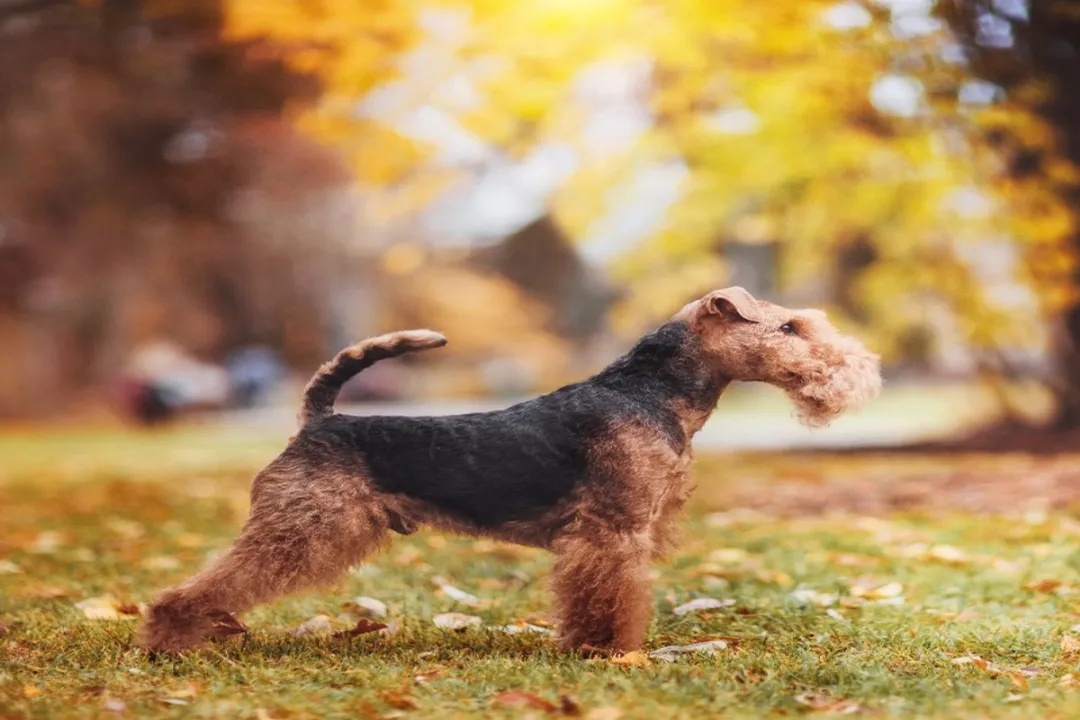
The development of the breed standard required selective breeding to maintain the essential terrier spirit while refining the physical structure. The hard, wiry coat is perhaps the most distinctive feature tied directly to its origin. This texture was not merely an aesthetic preference; it served as essential protective armor against rough underground conditions, thorns, and wet weather common in its native habitat. Any modern trimming that softens this coat significantly departs from the practical requirements that shaped the breed for generations.
This fixation on the harsh coat texture presents an interesting case of historical preservation guiding modern aesthetics. When one looks at a perfectly presented Welsh Terrier today, with its clean lines and tight, hand-stripped jacket, they are observing a highly refined version of what was once a rough-and-tumble worker. The maintenance required to keep that harshness, often involving hand-stripping rather than clipping, highlights the dedication breeders place on retaining the tactile link to the breed’s working past, even when the dog lives solely as a companion.
# Near Extinction and Revival
Despite its clear utility and established presence, the Welsh Terrier faced a perilous period as farming practices modernized and the need for traditional vermin control waned. By the mid-to-late nineteenth century, the breed’s numbers reportedly dwindled to alarmingly low levels, bordering on extinction. Recognizing the potential loss of this distinct national breed, dedicated enthusiasts stepped in to begin a conservation effort.
The foundation of the first breed club around this time was a crucial step in the breed's survival, helping to organize breeding efforts and establish a unified vision for the Welsh Terrier. This organized action ensured that the dogs being bred were true to the type and temperament that made them valued in the first place.
Kennel club recognition followed this stabilization. The Kennel Club (UK) recognized the breed in 1891. The American Kennel Club followed, granting recognition later, solidifying its status as a standardized breed in the international dog community. This official acceptance provided a framework that helped the breed recover its standing and popularity beyond the valleys of Wales.
# Defining the Temperament
The evolution of the Welsh Terrier is as much about temperament as it is about looks. The necessary traits for a successful working terrier—tenacity, intelligence, and self-reliance—remain strong characteristics in the modern dog. They are described universally as spirited, lively, and brave dogs. This background ensures they retain a level of independent thought, which, while often charming, means they are not always the easiest dogs to train when compared to breeds developed purely for obedience.
They are known to be affectionate companions to their families. This duality—the loyal family member wrapped in the package of a tenacious, intelligent worker—is key to understanding the breed's enduring appeal. Owners today must appreciate that the spirited nature that allowed their ancestors to face down a badger is still present and requires consistent handling and engagement.

# Modern Status and Characteristics
Today, the Welsh Terrier maintains a defined presence in kennel clubs worldwide, including the CKC USA and Dogsvictoria in Australia. They typically stand around 14.5 to 15.5 inches high and weigh about 20 to 25 pounds, a perfect size for the traditional terrier role. Their coat is dense and hard, and the colouration is classically black and tan or grizzle and tan.
While their numbers may not rival those of the most popular companion breeds, the Welsh Terrier has carved out a niche as a spirited, intelligent, and sturdy companion for those who appreciate a dog with genuine historical substance. Their evolution has settled into a state of maintenance, where the focus is on preserving the traits developed over centuries of hard work while adapting them to domestic life. The key to owning one successfully involves respecting the inherent terrier instincts that were honed over generations in the Welsh countryside. This dog carries its history in every wiry hair and every determined step.
Related Questions
#Citations
Welsh Terrier History: From Rugged Ratters to Spirited Companions
Welsh Terrier Breed History
Welsh Terrier - Wikipedia
Unraveling the Heritage of the Welsh Terrier: Your Hardy and Loyal ...
Origin and history - CUNNINGS WELSH TERRIERS
Welsh Terrier Breeds - Dogs Victoria
Welsh Terrier Dog Breed Information - Continental Kennel Club
Welsh terrier - History, appearance and health - Lobo Azul