Welsh Black Cattle Locations
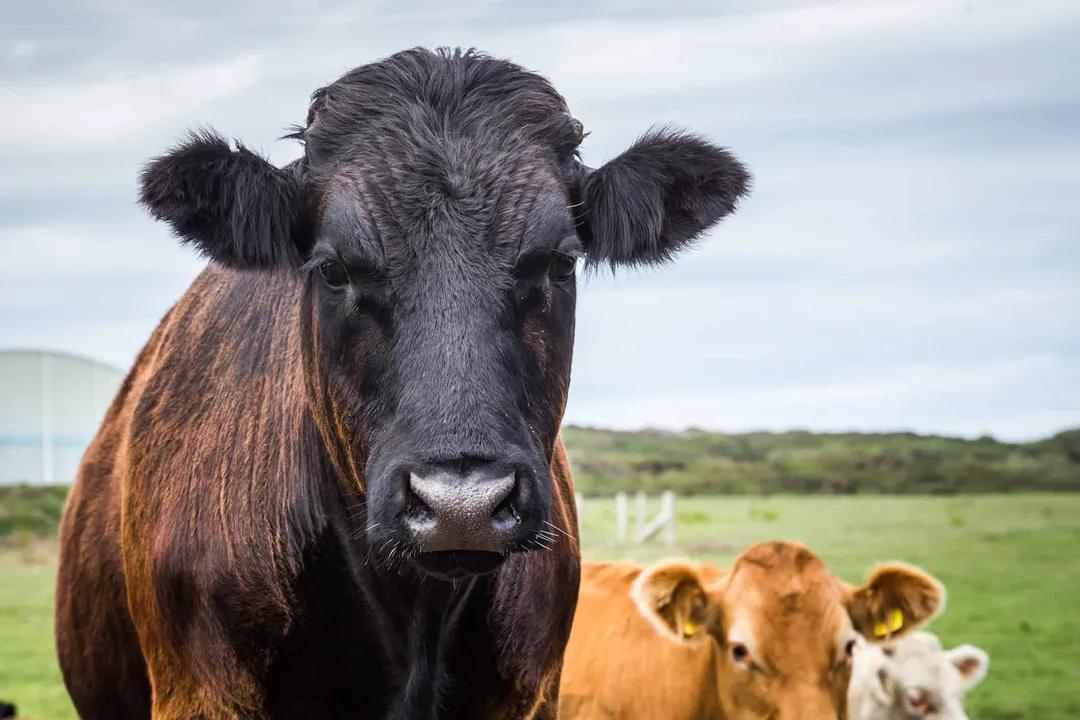
The Welsh Black cattle breed maintains a significant presence across various landscapes, yet its true heart remains anchored firmly in the rugged terrain of its origin. These ancient animals, which predate written records in Britain and were utilized by Roman settlers, possess an inherent hardiness that dictates where they can be successfully managed today. [1][5] Understanding the locations of Welsh Black cattle requires looking not just at modern farms but also at the historical environmental pressures that shaped their physiology, allowing them to thrive where other breeds might struggle. [2]
# Ancient Homeland
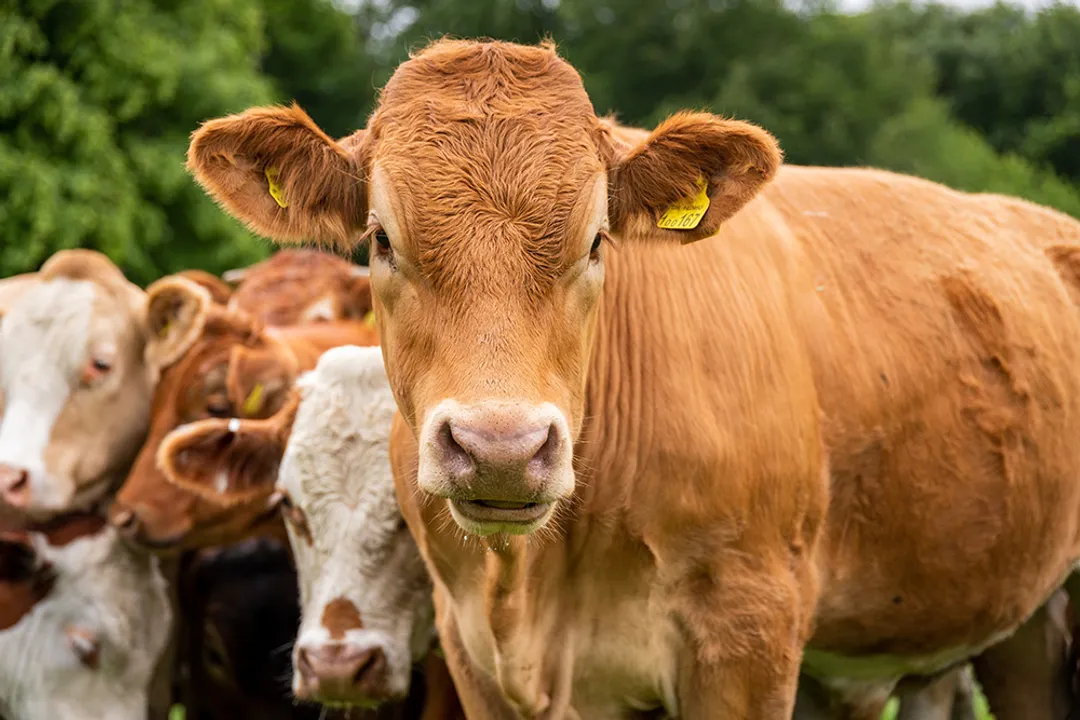
The foundational location for the Welsh Black cattle is, unsurprisingly, Wales itself. The breed evolved to cope with the often harsh, wet, and hilly conditions characteristic of Welsh uplands and marginal grazing land. [1][2] This natural selection for durability means that within Wales, the breed is distributed across counties that offer varying degrees of challenge, from the coastal plains to the mountainous regions like Snowdonia. [5]
The Welsh Black Cattle Society (WBCS) serves as the central registry and authority for the breed, operating from Wales and maintaining the official records. [4][7] This society is the primary mechanism through which the breed’s lineage and location are formally tracked within its native country. [7] While exact farm locations are proprietary information, the society’s membership base necessarily reflects the density of the breed, remaining strongest in its home territory. [4]
It is interesting to note the historical context of their land use. For centuries, Welsh Black cattle were valued as a dual-purpose breed, providing both milk and meat, which was essential for subsistence farming in remote areas. [2][7] Their ability to rear calves successfully on poorer quality grazing, even producing a decent milk yield, meant they were the ideal anchor for countless smallholdings across the Welsh Marches and deeper into the country. [1]
# Environmental Adaptation
The key trait that allows the Welsh Black to be located effectively in many diverse environments is its exceptional hardiness. They are renowned for their ability to maintain condition on rough forage, often requiring less supplementary feeding during winter months compared to more specialized continental breeds. [2] This resilience translates directly into economic viability for farmers situated on less fertile ground. [2]
Consider a typical management scenario: A breeder operating on the Pembrokeshire coast, facing high winds and damp conditions, can rely on the Welsh Black’s thick hide and ability to utilize coarse grasses efficiently. [1] This trait is invaluable. A distinct, though unquantified, advantage for breeders situated in areas with high input costs for winter feed is the breed’s natural thriftiness. Farmers often find they can reduce the need for expensive concentrates and extensive housing, a cost benefit that accrues regardless of whether the farm is in Wales or in a cooler, non-native environment. [2] This fundamental efficiency underpins their distribution far beyond official borders.
# Global Presence
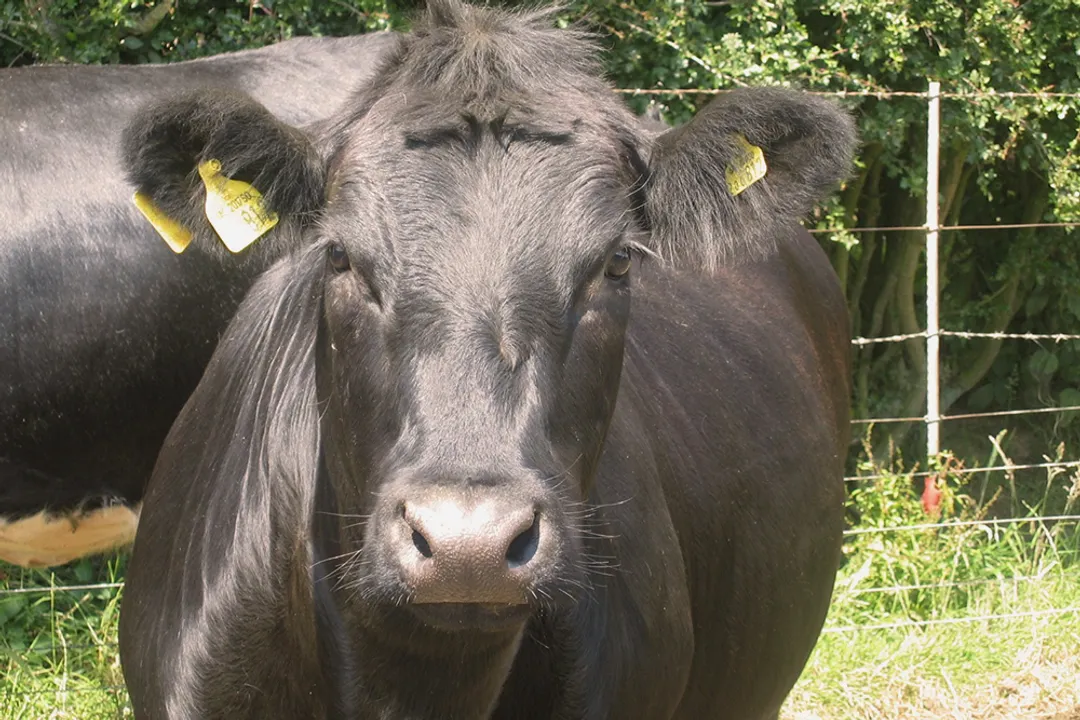
While Wales remains the nucleus, the reputation for hardiness and quality has ensured that Welsh Black cattle have been exported and established in other parts of the world. [7] The existence of international registries or associations speaks directly to where the breed has found new homes.
The most significant verifiable international location mentioned in breed documentation is New Zealand. [5] The fact that a specific registry or movement exists for Welsh Black cattle in New Zealand underscores that these are not isolated pets but established breeding populations. [5] New Zealand’s diverse climate, featuring both maritime zones and high-country pastoral areas, provides environments where the cattle’s natural hardiness can again be tested and proven valuable, similar to their Welsh origins. [5] Breeders there likely value the same characteristics: easy calving, maternal ability, and the ability to thrive on grass-based systems. [2]
The international presence highlights the role of breed societies in tracking locations. [7] For a breed to maintain genetic integrity and market viability internationally, the parent society in Wales must liaise with overseas bodies to ensure standards are met. [7] This networking effect facilitates the maintenance of the breed standard, even across continents, making the location of a purebred animal often traceable through these formal channels. [4]
# Meat Market Spread
Beyond the breeding herds located in specific geographical areas, the product of the Welsh Black cattle is found in markets and restaurants, which serve as another kind of "location." Consumers seeking out this specific meat often look for assurances of provenance and quality. [8]
The meat itself is noted for its excellent marble, succulence, and rich, distinctive flavour, often described as full-bodied. [3][8] This superior eating quality, derived from their slow growth on grass and excellent muscle development, draws specialized interest from butchers and chefs. [3] Therefore, high-end butchers in urban centres, often far removed from the upland farms where the cattle are raised, act as temporary but important market locations for the end product. [3] When a customer orders Welsh Black beef, they are locating the product through the supply chain, seeking the specific flavour profile associated with the breed’s rearing conditions. [8]
| Region / Focus | Primary Role of Cattle | Noteworthy Characteristic | Source Reference |
|---|---|---|---|
| Welsh Uplands | Breeding Stock/Hardy Grazing | Extreme resilience to wet/cold | [1][2] |
| New Zealand | Established Herds | Success in varied non-native climates | [5] |
| Specialist Butchers | Final Product/Retail | High-quality marbling and flavour | [3][8] |
| WBCS Registry | Governance/Tracking | Maintaining pedigree records | [4][7] |
This table illustrates that the location of the breed isn't just acreage; it’s a nexus of historical land use, modern registry management, and specialized consumer demand.

# Breed Organizations
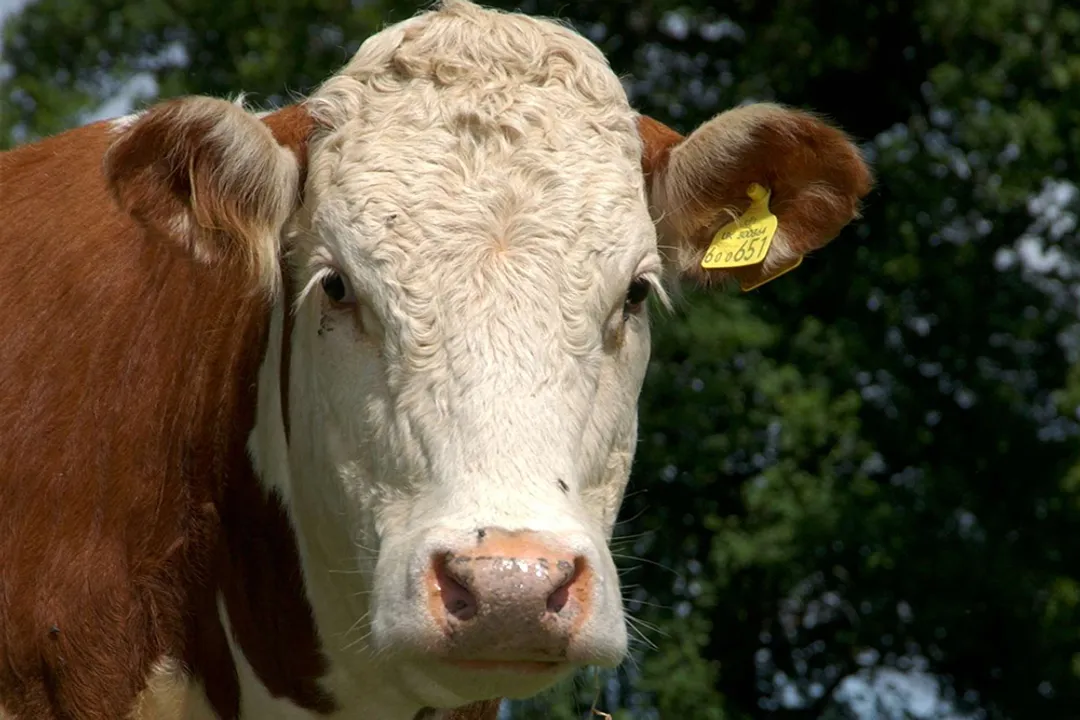
For anyone seriously looking to pinpoint the location of established herds, whether for purchase, study, or general interest, the organizational structure provides the best secondary map. The Welsh Black Cattle Society is the authoritative body, providing registration services and breed promotion. [7] While the society is based in Wales, [4] its operational scope covers all registered herds, regardless of their current longitude and latitude. [7]
Another organization, the Welsh Black Cattle Association of New Zealand (implied by the existence of the breed's presence there) or similar international groups, will manage local registries. [5] Understanding the official structure is crucial because membership in these societies dictates where a farmer is officially situated within the breed’s community.
# Consumer Search Strategy
For the general reader interested in tasting the results of this breed’s presence in specific locales, the path diverges from simply searching for a farm in Wales. A consumer looking specifically for the beef might have better luck searching for high-quality meat suppliers or specialty butchers who advertise provenance. [3]
In the UK context, if a buyer wants to ensure they are sourcing from the original environment, they should look for breeders marketing their stock as "Welsh Black" rather than just "Black cattle," paying close attention to whether the farm advertises traditional grazing methods common to the region. [2] Conversely, if a buyer in, say, the North American plains is seeking a hardy, black, polled breed, a Welsh Black breeder might be nearby, having found that the breed’s ability to maintain weight on forage without intensive grain finishing suits their local economic model as well. [1] This comparison shows how the breed’s core utility—its self-sufficiency—allows it to migrate successfully.
# Summary of Reach
The Welsh Black cattle breed’s physical location is a direct consequence of its long evolution in a challenging environment. They are concentrated in Wales, where the breed society maintains pedigree control. [4][7] However, their documented presence in countries like New Zealand confirms their hardiness is recognized internationally, making them a global breed adapted to grass-fed systems. [5][2] Finally, the location of their high-quality meat can be traced to discerning butchers and restaurants that recognize the unique flavour profile imparted by their traditional management. [3][8] The breed, therefore, exists simultaneously on ancient Welsh hillsides and within modern, specialized food supply chains across the globe.
Related Questions
#Citations
Welsh Black cattle - Wikipedia
Welsh Black Cattle - Rosuick Organic Farm
Welsh Black - Dovecote Park
Welsh Black Cattle Society - Infoengine
Welsh Black Cattle Breeders Society of NZ Inc | New Zealand
Welsh Black Cattle Animal Facts - Bos taurus taurus
The Welsh Black Cattle Society
Welsh black cattle | Local Beef Cattle Breed From Wales - TasteAtlas
Welsh Black cattle Facts for Kids