Welsh Black Cattle Scientific Classification
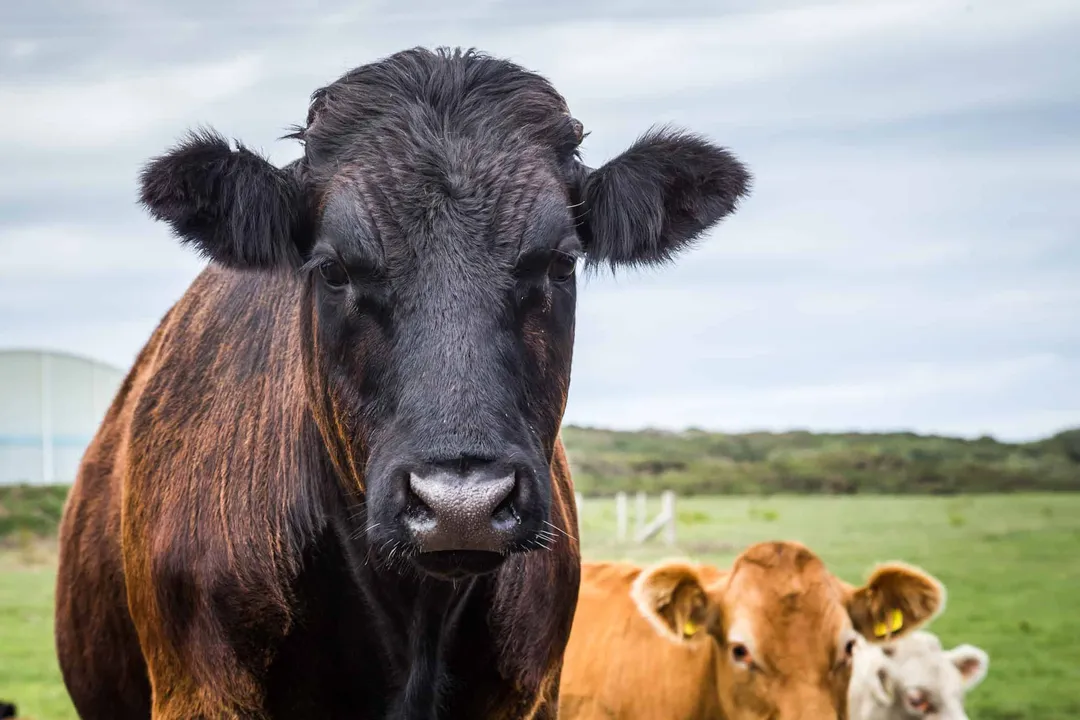
The lineage of the Welsh Black cattle breed, a hardy and historically significant bovine, can be traced not just through farm records but through the rigid structure of scientific classification that places it within the broader kingdom of life. Understanding this systematic placement—from its highest kingdom designation down to its species—provides a grounding context for appreciating its unique characteristics and long history on the Welsh hillsides.
# Higher Grouping
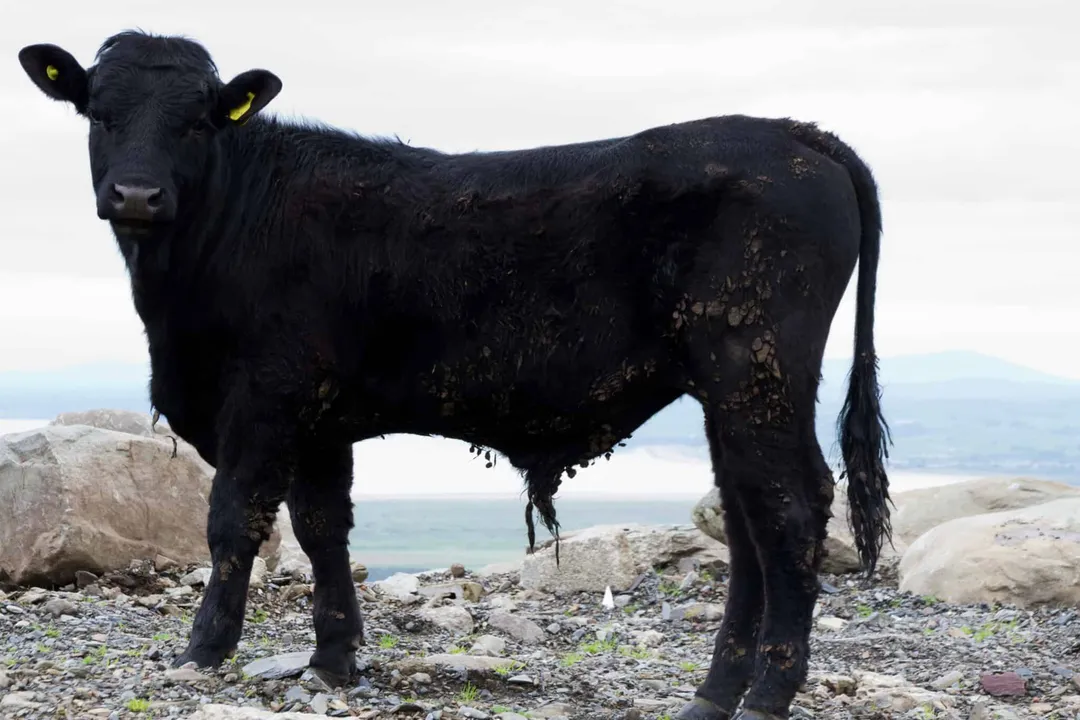
At the broadest level of biological organization, the Welsh Black is firmly placed within the Kingdom Animalia, signifying that it is a multicellular, eukaryotic organism that must consume organic matter for energy. Moving down the hierarchy, it belongs to the Phylum Chordata, characterized by having, at some stage of development, a notochord, a dorsal nerve cord, pharyngeal slits, and a post-anal tail.
The Class designation is Mammalia, as these animals are warm-blooded vertebrates that nurse their young with milk, possess hair or fur, and breathe air using lungs. Following this, the Order is Artiodactyla (or sometimes Cetartiodactyla), which groups them with all even-toed ungulates—animals that bear their weight equally on two (or four) toes, which is evident in the structure of their cloven hooves.
# Genus Bos
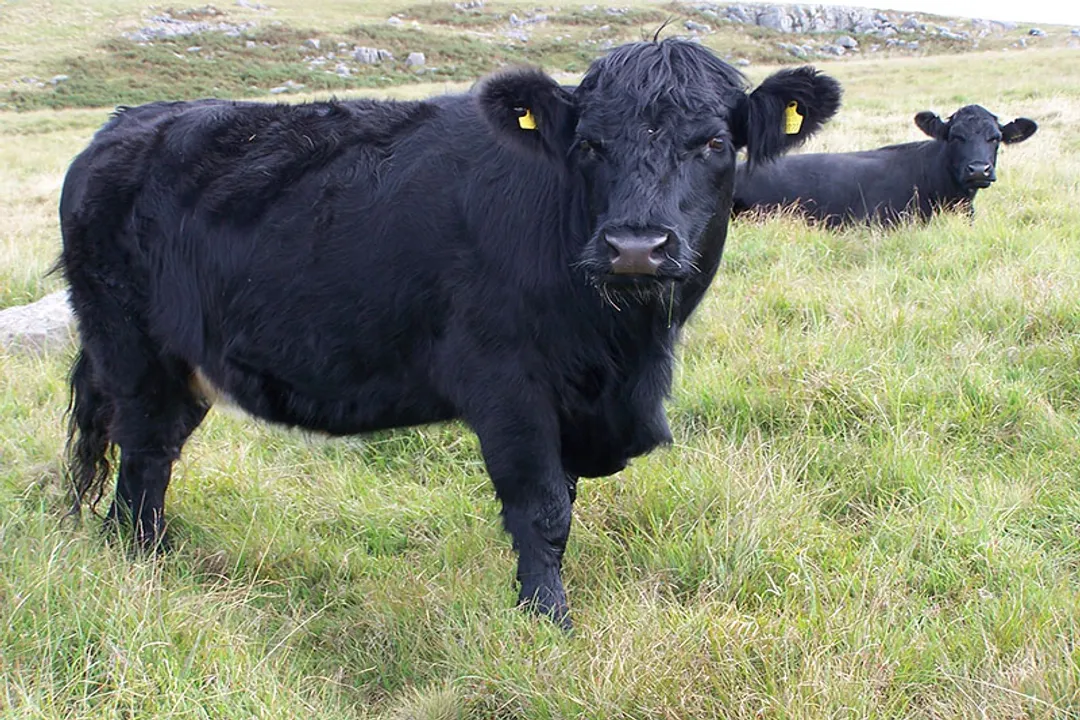
The crucial step toward defining the Welsh Black as we know it is reaching the Genus level: Bos. This genus encompasses all cattle, bison, and buffalo, essentially all the large, heavily built, often horned bovines. Within the Bos genus, there are several species, but the Welsh Black belongs specifically to the lineage that results in domestic cattle. Its presence here signifies a shared ancestry with all modern domestic breeds, whether they be Continental European, British Native, or Zebu types, highlighting a shared evolutionary root that predates domestication events.
# Species Designation
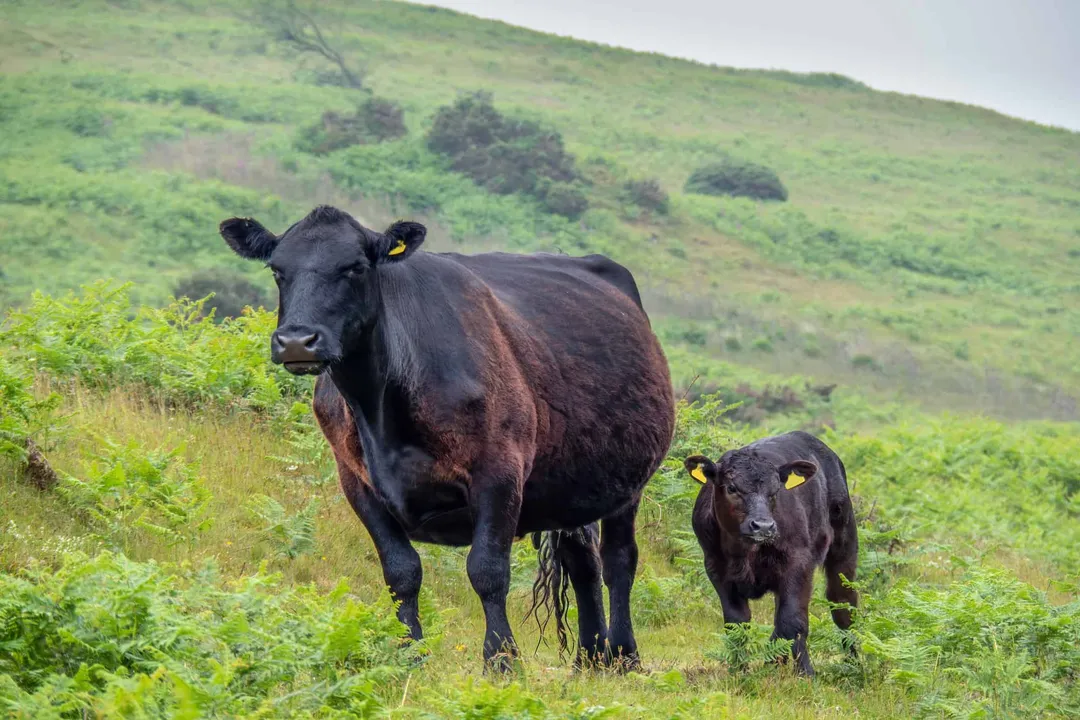
The recognized scientific species for the Welsh Black cattle is Bos taurus. This designation is fundamental; it confirms that the Welsh Black is a member of the domestic cattle species, as opposed to, for example, the wild Aurochs (Bos primigenius) from which domestic cattle were derived, or species like the Gaur (Bos gaurus). The Bos taurus species encompasses most breeds originating in Europe and the Americas.
A common point of scientific interest revolves around the differentiation between Bos taurus (taurine cattle) and Bos indicus (zebu cattle), recognizable by their humps. The Welsh Black, originating in Europe, is firmly in the taurine group. While the species name Bos taurus is universal for the breed, it obscures the deep heritage of this specific population. The breed is considered one of the oldest native British breeds, possibly descending from cattle that arrived with Neolithic settlers. It is insightful to consider that while the Linnaean system groups the Welsh Black with every Holstein or Angus on the planet under Bos taurus, breed societies and geneticists recognize that distinct, ancient lines persist. For instance, genetic studies often confirm that breeds like the Welsh Black have maintained a higher degree of genetic isolation, reflecting management practices that prioritized hardiness in the Welsh environment over recent crossbreeding for maximum production traits.
# Breed Stratification
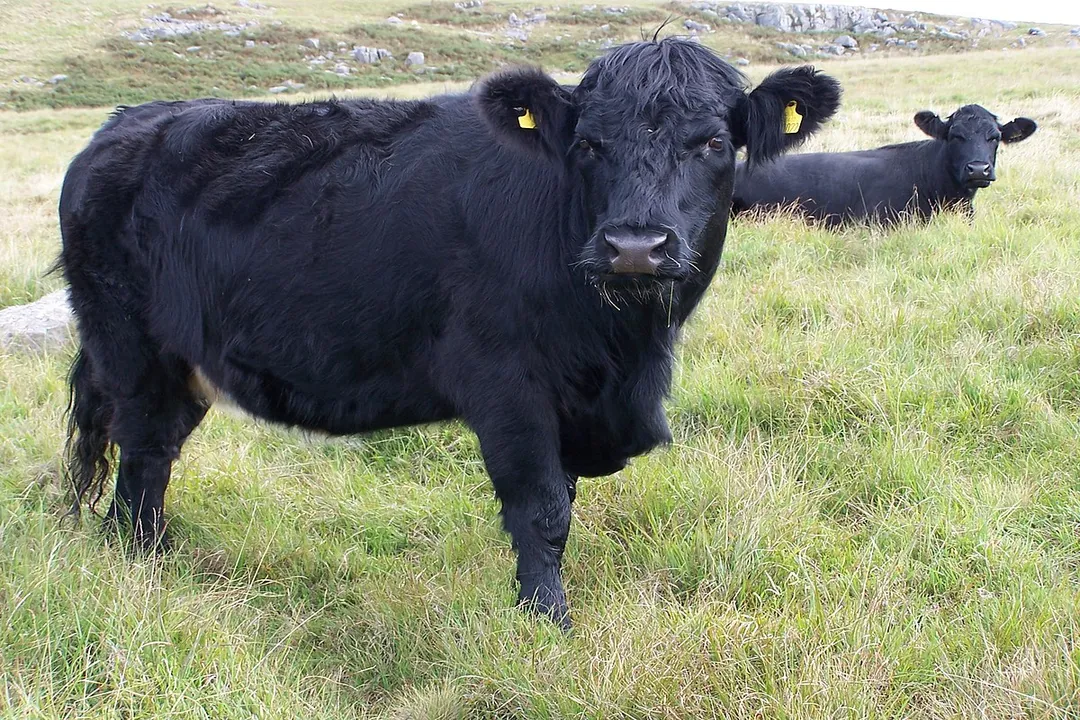
The challenge, and the value, of the Welsh Black’s scientific position lies in the layer beneath the species name. The classification Bos taurus tells us what it is (domestic cattle), but not which one. The breed itself acts as the practical, living subtype that agricultural science and heritage management focus on.
When a breeder registers a calf with the Welsh Black Cattle Society, they are ensuring that the animal adheres to strict phenotypic standards: solid black coloration (though a white star is permissible on the head of both sexes, and a small amount of white near the udder or scrotum is tolerated in cows and bulls, respectively) and natural polling (hornlessness). This adherence to specific physical markers is how the breed maintains its identity within the broader Bos taurus umbrella.
If we were to visualize this placement, it functions as a nested structure, where the species is the large container, and the breed is a carefully curated subset within it.
| Taxonomic Rank | Designation | Defining Characteristic |
|---|---|---|
| Kingdom | Animalia | Multicellular, heterotrophic |
| Phylum | Chordata | Presence of a notochord (ancestral) |
| Class | Mammalia | Warm-blooded, milk production |
| Order | Artiodactyla | Even-toed ungulate |
| Genus | Bos | Large bovines (cattle, bison, buffalo) |
| Species | Bos taurus | Domesticated taurine cattle |
| Breed | Welsh Black | Native British, naturally polled, black coat |
This hierarchy clearly shows that while the Welsh Black shares its core scientific identity with every modern cow, its success as a conservation breed depends on maintaining the traits that differentiate it at the breed level, traits often linked to its adaptation to the rugged Welsh landscape.
# Conservation Context
The significance of recognizing the Welsh Black’s specific lineage is amplified by its conservation status. The Rare Breeds Survival Trust (RBST) recognizes ancient cattle of Wales as a priority rare breed, placing it on their watchlist. This conservation effort is inherently tied to preserving the genetic material unique to this Bos taurus line, which has evolved in place for centuries.
For general readers, this means that if genetic drift or commercial pressures cause the breed to lose too many defining characteristics, it ceases to be the Welsh Black, even if it technically remains Bos taurus. The scientific classification offers the baseline identity, but the breed registry enforces the cultural and ecological identity built upon that baseline. It is a fascinating tension: a single species designation masking thousands of years of localized adaptation and selective breeding pressure, ensuring that the Welsh Black remains a testament to specialized, sustainable grazing in its native environment. The discipline required to maintain this breed identity, far stricter than merely ensuring they are Bos taurus, is what truly defines its value in modern agriculture and biology.
Related Questions
#Citations
Welsh Black Cattle Animal Facts - Bos taurus taurus
Welsh Black cattle - Wikipedia
[PDF] The Super Suckler Cow - The Welsh Black Cattle Society
Welsh Black | The Cattle Site
Welsh Black Cattle - Biodiversity Maps
Welsh Black Cattle Breed Facts - Facebook
Welsh Black Cattle | Oklahoma State University
Bos taurus (cattle) | CABI Compendium - CABI Digital Library
Welsh Black Cattle Facts & Photos | Wowzerful
Ancient Cattle of Wales Recognised As Priority Rare Breed On ...