Welsh Black Cattle Facts
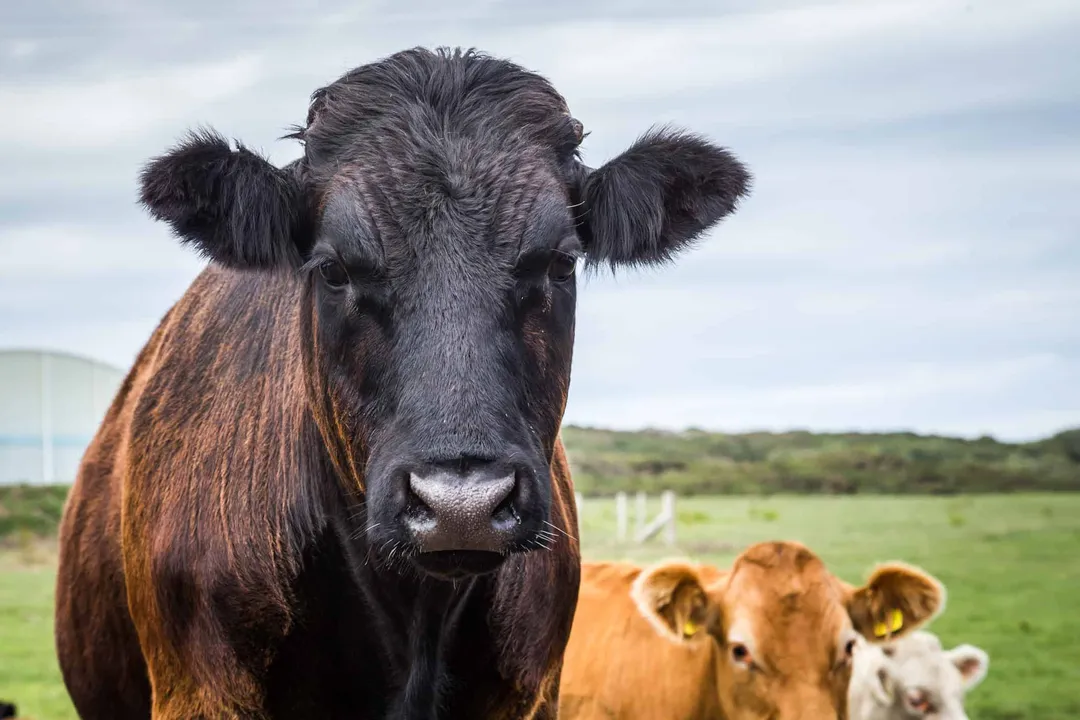
The Welsh Black cattle breed holds a special place in the history of British agriculture, recognized for its deep black coat and remarkable resilience across rugged landscapes. These animals are one of the oldest native British breeds, having adapted over centuries to thrive in the challenging environment of Wales, often requiring minimal intervention from farmers. [1][5][9] They possess an innate ability to convert sparse vegetation into high-quality beef, making them an enduring presence in their native country and increasingly valued elsewhere for sustainable farming systems. [2][6]
# Ancient Roots
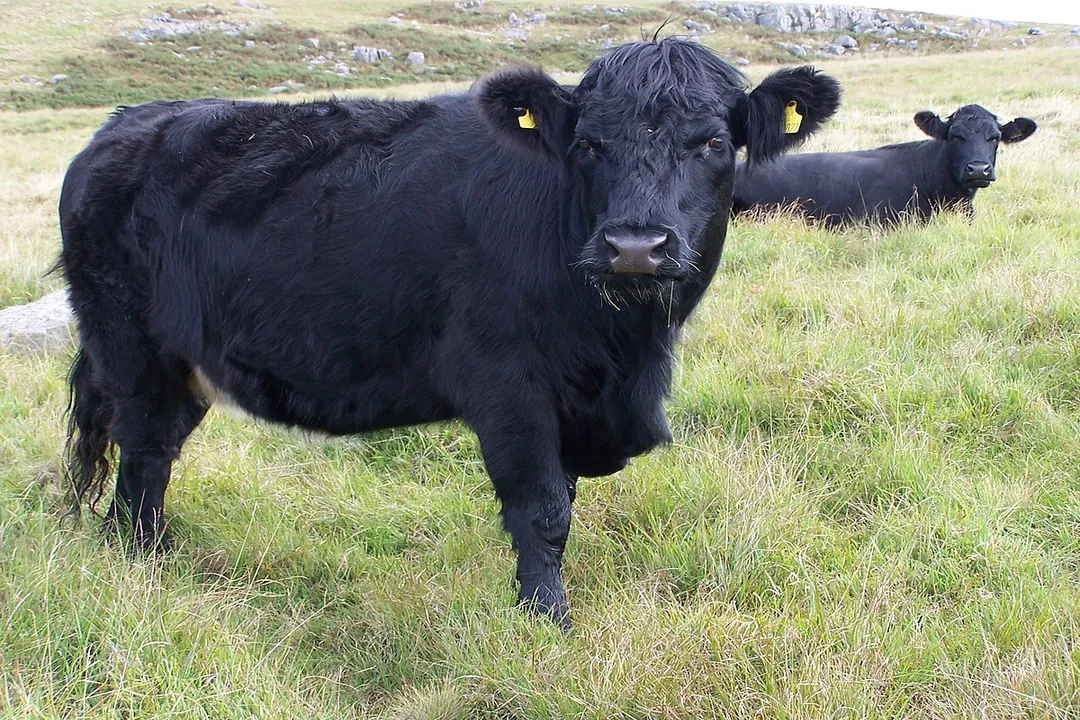
The lineage of the Welsh Black is deep, stretching back to the cattle brought to Britain by the Celts centuries ago. [1][5] They are considered a pure, ancient breed, thought to be a blend of two distinct older types of cattle common in Wales, though the exact historical amalgamation is difficult to pinpoint precisely. [1] Historically, the breed was dual-purpose, providing both milk and beef, a common requirement for smaller, mixed farms where utility across several areas was essential for survival. [2][9] While modern focus leans heavily toward beef production, this dual heritage speaks to their overall hardiness and conformation. [2] For generations, they were vital to the agricultural economy of Wales, roaming the hills and providing sustenance in an often unforgiving climate. [7]
# Distinctive Look
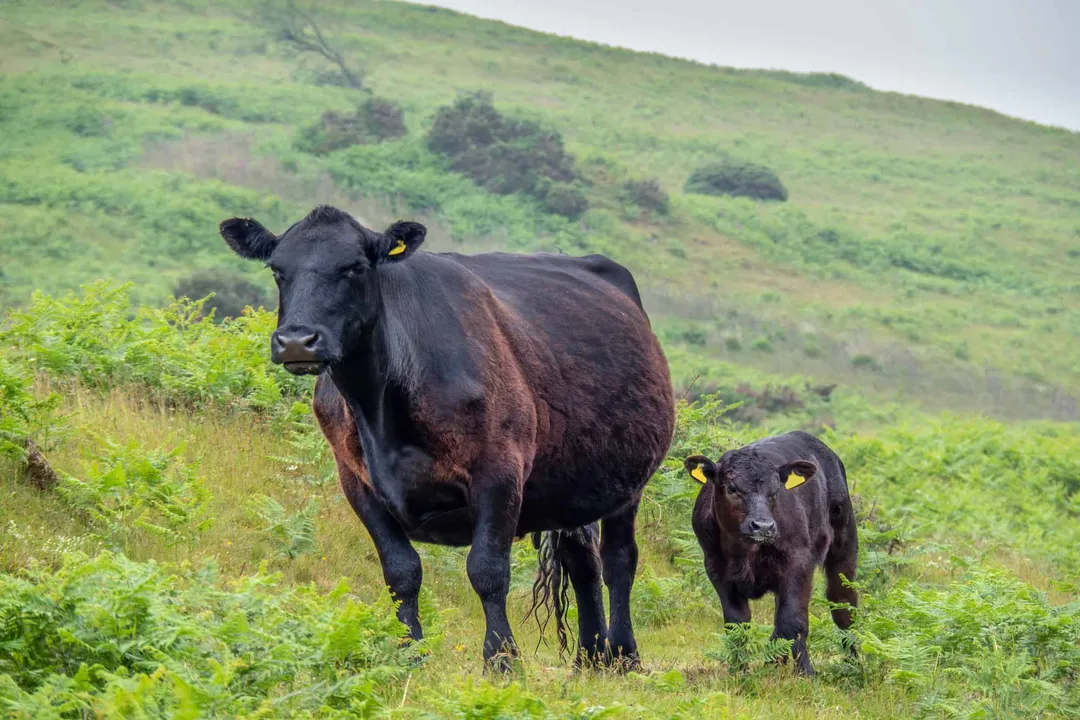
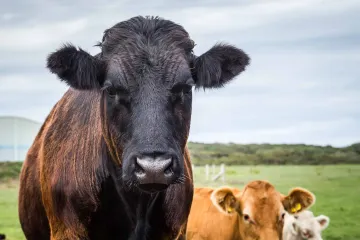
The most immediate identifier of a Welsh Black is, unsurprisingly, its color: a solid, deep black, which covers the majority of the animal. [1][4] However, the standards for the breed are not entirely absolute regarding this color. The official breed description allows for some minor white markings; specifically, white is permitted on the underside, the muzzle area, and the tail switch. [1][4]
The breed exhibits natural polled characteristics, meaning both cows and bulls are typically born without horns. [1][5] This is a significant trait for ease of management, reducing handling issues and the need for dehorning procedures later on. [1] In terms of size, the Welsh Black tends to be medium-framed. Mature cows generally weigh around $650$ kilograms, while bulls are substantially larger, often reaching upwards of $1000$ kilograms. [1] This difference in mature size, common across many cattle breeds, emphasizes the role of the bull in adding significant weight and muscle to the herd. [1]
# Hardy Nature

Perhaps the most celebrated aspect of the Welsh Black is its exceptional hardiness and adaptability, qualities honed by necessity on the Welsh hillsides. [2][5] They are incredibly well-suited for outwintering, meaning they can survive harsh winters outdoors with little or no supplementary feed beyond what they can forage. [2][8] This ability stems from their efficient metabolism and thick hide, which offers good protection against the elements. [5]
Their foraging ability is superior; they are adept at grazing poor-quality hill pasture and utilizing a wide variety of plant species that other, more specialized breeds might ignore. [2][5] Furthermore, they are known for their longevity, often remaining productive in the breeding herd for many years longer than some continental breeds, which translates directly into better lifetime returns for the breeder. [2] It is this inherent efficiency—thriving where inputs are low—that has allowed the breed to maintain its presence despite the pressures of modern, high-output agriculture. [5][9]
Considering their natural adaptation to challenging Welsh topography—steep, often wet, and sparse grazing land—it is logical that a farmer looking to transition a marginal acreage to grass-fed production would find the Welsh Black an excellent candidate. Their robust constitution inherently reduces reliance on expensive supplemental feed and veterinary interventions associated with cows struggling in unsuitable environments. [6]
# Beef Quality
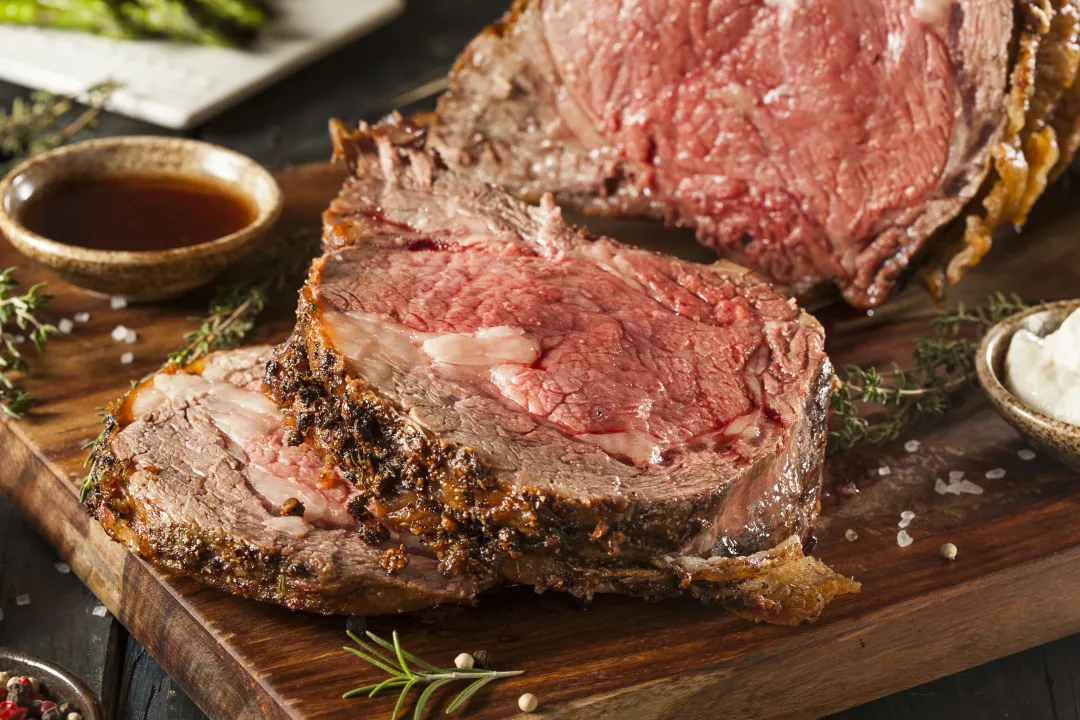
While their history includes milk production, today the Welsh Black is predominantly recognized as a superb beef producer. [2] The meat is highly regarded for its quality, often achieving excellent carcass conformation even when the animals are raised entirely on grass. [2][6] Because they are slower maturing than some modern terminal sire breeds, the meat they produce tends to be well-fatted with a fine texture and good marbling. [5]
The characteristics of their beef align very well with current consumer trends favoring lower-input production systems. When finished on grass rather than grain, the resulting carcass yields quality meat that meets high standards without the associated environmental impact of intensive finishing. [6] Many producers value their ability to produce an attractive carcass at a moderate age, often around 24 to 30 months, while still maintaining the cow's condition for future breeding. [2]
# Temperament Traits
Management is often simpler with cattle that possess a calm disposition, and the Welsh Black generally fits this description well. [4] They are typically known for being docile and easy to handle, which benefits everyone from the farm owner to seasonal staff. [4] This calm nature, combined with their strong maternal instincts—producing healthy calves consistently—makes them a reliable choice for breeders focused on simplifying daily routines. [2][4]
# Breed Society
To ensure the preservation and continued development of the breed’s unique characteristics, the Welsh Black Cattle Society plays an important role. [3] This society is responsible for maintaining the official herd book and establishing the standards of the breed. [3] Registration with the society confirms that an animal is traceable and meets the criteria necessary to maintain the genetic purity and proven traits—such as hardiness and conformation—that define the Welsh Black. [3] Membership and registration activities help solidify the breed’s authority and trustworthiness in the marketplace. [3]
Related Questions
#Citations
Welsh Black cattle
Welsh Black
The Welsh Black Cattle Society
Welsh Black Cattle Animal Facts - Bos taurus taurus
Welsh Black Cattle | Oklahoma State University
Welsh Black Cattle
The Welsh Black Cow: beauty from darkness
Welsh Black cattle Facts for Kids
Welsh Black - Cattle International Series