Welsh Springer Spaniel Evolution
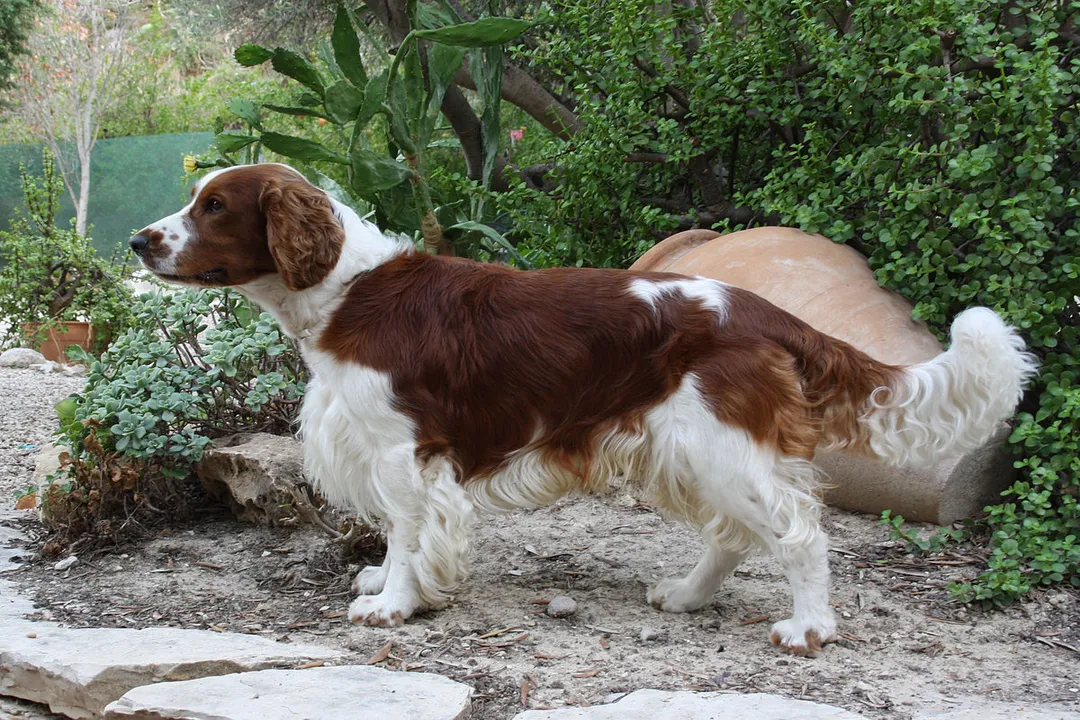
The Welsh Springer Spaniel represents a living thread connecting the modern companion dog owner back to the ancient hunting grounds of Wales. Unlike some breeds whose origins are shrouded in vague myths, the lineage of the Welsh Springer is deeply embedded in the history and geography of its namesake nation, suggesting a continuous presence for centuries, perhaps even predating the Roman occupation. [1][2] These dogs were not created in a 19th-century laboratory; they were developed over generations by dedicated Welsh countrymen whose primary concern was effective utility in the field, rather than outward appearance for show rings. [2][6]
# Deep Roots
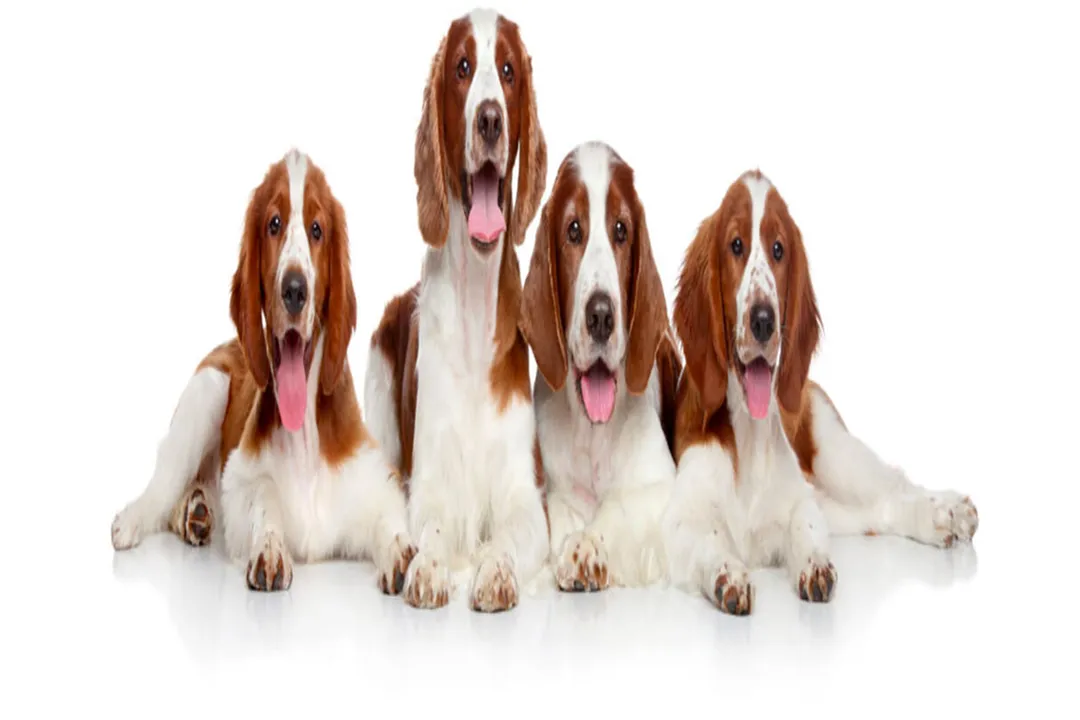
The history of this breed is intrinsically linked to the Welsh landscape, known for its rugged hills and challenging terrain. [1][2] They were historically referred to simply as the Welsh Spaniel. [2] For a long time, the differentiation between the English and Welsh types was less strict than it is today, with descriptions focusing primarily on function. [2][6] However, the inherent traits of the dogs thriving in Wales—particularly their preferred coloring—slowly solidified the identity of the Welsh variant. [2]
Early documentation is sparse, as is common with landrace breeds developed for work, but various paintings and descriptions from the 17th and 18th centuries hint at a red and white spaniel being utilized by Welsh gentry and farmers alike. [1][5] Their purpose was clear: to work alongside hunters, locating gamebirds hidden in dense cover and then springing them into the air so the hunter could shoot them, before retrieving the fallen bird, often from water. [2][6] This requires a dog with significant stamina, intelligence, and a soft mouth. [4][8]
# Color Contrast
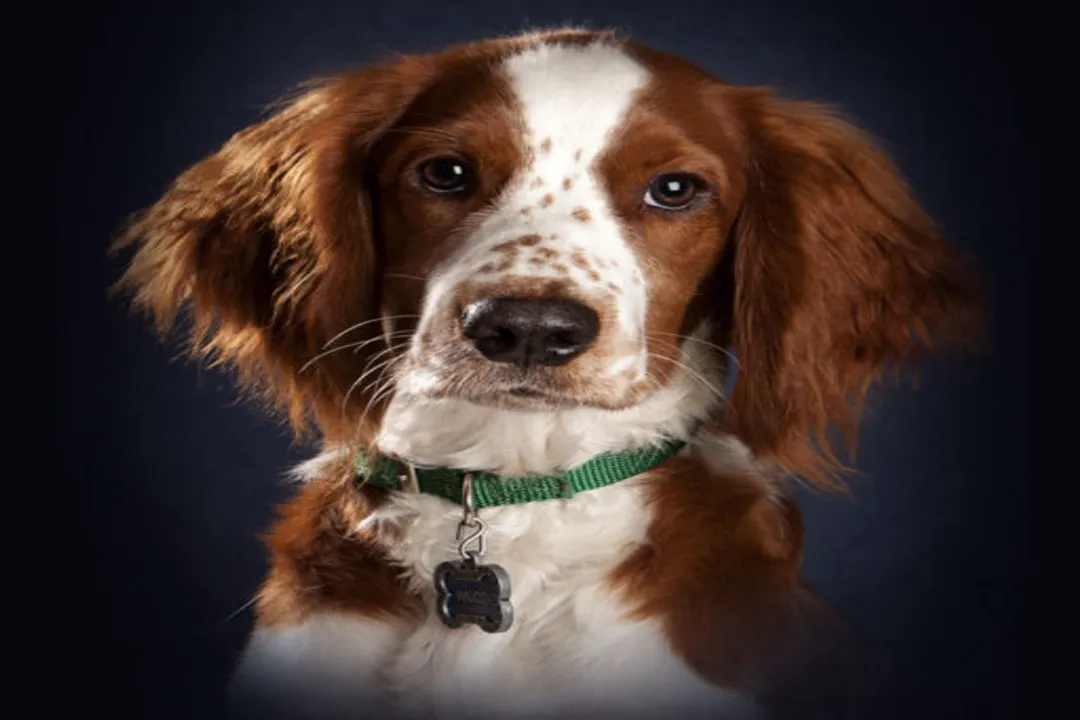
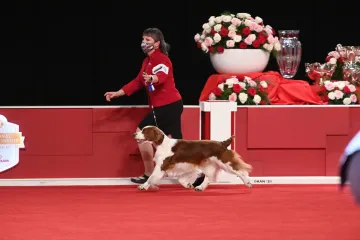
One of the most significant markers that helped formalize the Welsh Springer Spaniel as a distinct breed, separate from its English cousin, is its unique and unwavering color pattern. [1][5] Welsh Springers are exclusively deep red and white. [2][4] This strong adherence to a specific pigment pattern is a defining characteristic that has been preserved through careful selection over time. [5]
When one compares the Welsh Springer to the English Springer Spaniel, the color difference becomes the easiest visual cue, though temperament and body structure also differ subtly. [2][5] English Springers can present in liver, black, or various shades of lemon or orange mixed with white. [1][5] The Welsh standard is much stricter regarding color; any significant breach of the solid red and white requirement often disqualifies a dog from conformation showing, reinforcing the historical purity of the line. [5] In the early days of breed separation, breeders faced the challenge of defining where a "Welsh" type ended and an "English" type began, often relying on geography and the predominant coat color found in a region to make the distinction before formal breed clubs standardized the requirements. [2][6] The sheer consistency of the red and white coloration in Welsh lines today suggests that breeders, even those working without modern genetic tools, instinctively knew how to isolate and maintain this desired trait. [5]
# Working Mandate
The evolution of the Welsh Springer Spaniel was entirely driven by its utility as a hunting companion. They needed to cover ground efficiently, possess excellent scenting ability, and possess the drive to work tirelessly for hours. [6][8] Their medium size and build provided the perfect balance: agile enough to navigate thick undergrowth and swim cold Welsh streams, yet sturdy enough to endure long days afield. [4][7]
Their retrieving skills, whether on land or water, were highly valued. [2][8] Unlike some pointers that only indicate location, spaniels are flushing dogs; they actively push the bird out of hiding. This action, the 'springing,' is where the 'Springer' part of their name originates, a capability they must retain to truly honor their breed heritage. [6] While many modern Welsh Springers live purely as family pets, they often retain a high prey drive and a marked enthusiasm for retrieving games, such as bringing back thrown toys or dummies. [7][8]
# Century Crisis
The 20th century proved to be the greatest existential threat to the Welsh Springer Spaniel. The two World Wars caused immense disruption to dog breeding populations across Britain. [2][6] Resources became scarce, breeding programs stalled, and many dedicated enthusiasts were either serving abroad or unable to maintain their kennels. [1] Following World War II, the breed was perilously close to extinction, with very few purebred specimens remaining in existence. [1][6]
This near-total collapse spurred a concerted international effort to save the breed. Dedicated breeders in both the United Kingdom and the United States took on the difficult task of rebuilding the gene pool from the scant survivors. [2][6] This period required careful, responsible breeding choices, prioritizing health and function over immediate popularity to ensure the continuation of the breed type. [6] The survival of the Welsh Springer Spaniel is, therefore, a testament to the commitment of a small group of dedicated custodians who valued its history and characteristics enough to ensure its future. [2]

# Formal Status
Formal recognition by international kennel clubs marked important milestones in the breed's establishment as a standardized entity, though this process lagged behind its actual historical presence. [2] The Kennel Club in the UK first registered the breed as a distinct type in 1902. [2]
The American Kennel Club (AKC) officially recognized the breed later, granting it entry into the Sporting Group in 1930. [4] This recognition was vital for establishing clear breed standards regarding conformation, temperament, and health in the North American context. [3][4] While standardization brought clarity, it also introduced the possibility of prioritizing show ring traits over working ability, a tension that many spaniel clubs continue to manage today. [6]
# Enduring Temperament
The evolution of the Welsh Springer Spaniel in the home environment highlights the tenacity of its working nature. They are generally described as affectionate, gentle, and highly devoted to their families. [3][4] Their intelligence makes them quick learners, although their sensitivity means they respond best to positive, gentle training methods rather than harsh correction. [4]
A defining characteristic passed down through their working evolution is their high energy level and desire to be active participants in family life. [3][7] A dog bred to cover acres of ground all day will not naturally settle into a sedentary life without appropriate outlets. [7] They thrive when given a job, whether that is advanced obedience, agility, or regular, brisk fieldwork. [4] This need for mental and physical stimulation is a direct legacy of their ancestral role; an under-exercised Welsh Springer can quickly become a frustrated, potentially destructive companion. [3] It is important for prospective owners to understand that while they possess the softness of a companion dog, they possess the engine of a dedicated athlete. [4]
# Breed Stewardship
Today, the Welsh Springer Spaniel exists as a relatively rare breed globally, which places a greater responsibility on owners and breeders to maintain its health and integrity. [1][6] Breed clubs, such as the Welsh Springer Spaniel Club of America and The Welsh Springer Spaniel Club (UK), actively work to promote responsible ownership and preserve the breed's dual heritage of health and working capability. [5][6]
Ongoing concerns often revolve around maintaining genetic diversity and preventing hereditary issues, requiring careful health screening by breeders. [6] For those considering welcoming one into their lives, understanding this evolution—from ancient Welsh hunter to modern family member—is key. They are not just a "smaller, red English Springer"; they are a unique, ancient breed whose temperament reflects centuries spent working closely with people in the demanding environment of the Welsh countryside. [1][2][6] Preserving that spirit requires acknowledging and meeting their need for activity and companionship in equal measure. [7]
Related Questions
#Citations
Welsh Springer Spaniel - Wikipedia
RHEGED | Brief History Of Welsh Springers
Get to know the Welsh Springer - WSSCA
Welsh Springer Spaniel - Dog Breeds - American Kennel Club
About the Breed - The Welsh Springer Spaniel Club
Breed Priorities – The Welsh Springer Spaniel | Canine Chronicle
Welsh Springer Spaniel - All About Dogs | Orvis
Welsh Springer Spaniel
Welsh Springer Spaniel | VCA Animal Hospitals