How much alfalfa can cattle eat?
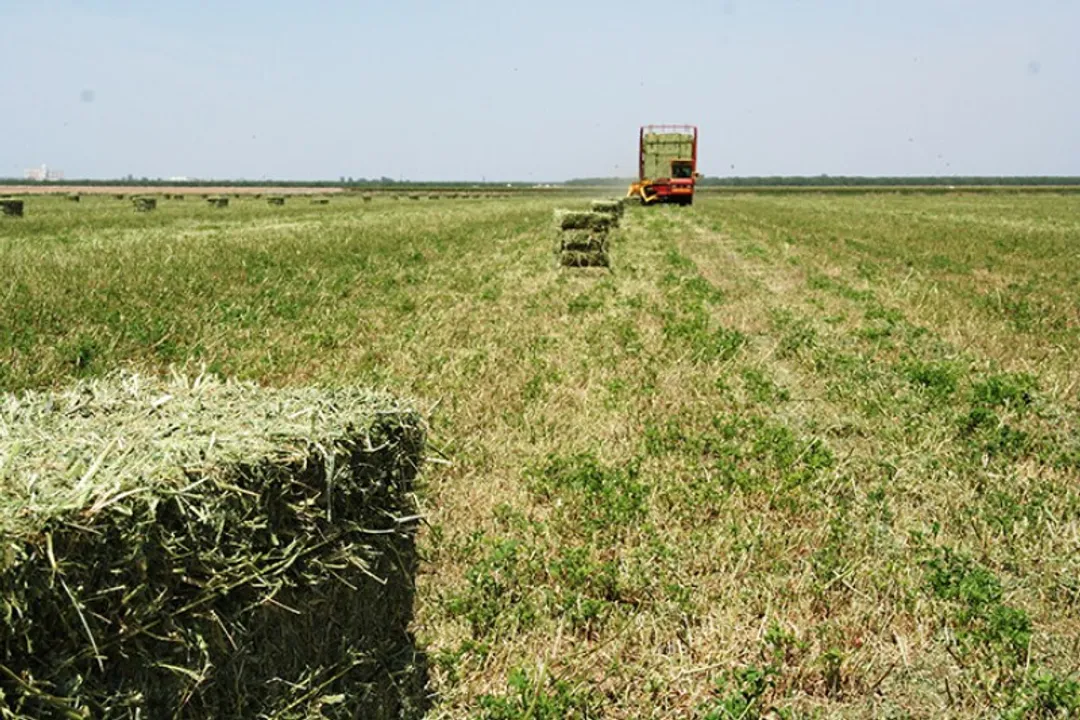
Figuring out the appropriate amount of alfalfa for cattle involves balancing its exceptional nutritional profile with the specific physiological demands of the animal, whether it's a growing calf, a lactating dairy cow, or a dry beef female. Alfalfa stands out in the forage world due to its high protein and energy density, making it an excellent supplement or base forage when managed correctly. [7][2] However, this richness is precisely what necessitates careful ration balancing, as overfeeding can be as detrimental as underfeeding, particularly when considering potential health risks like bloat. [4]
# Nutrient Density
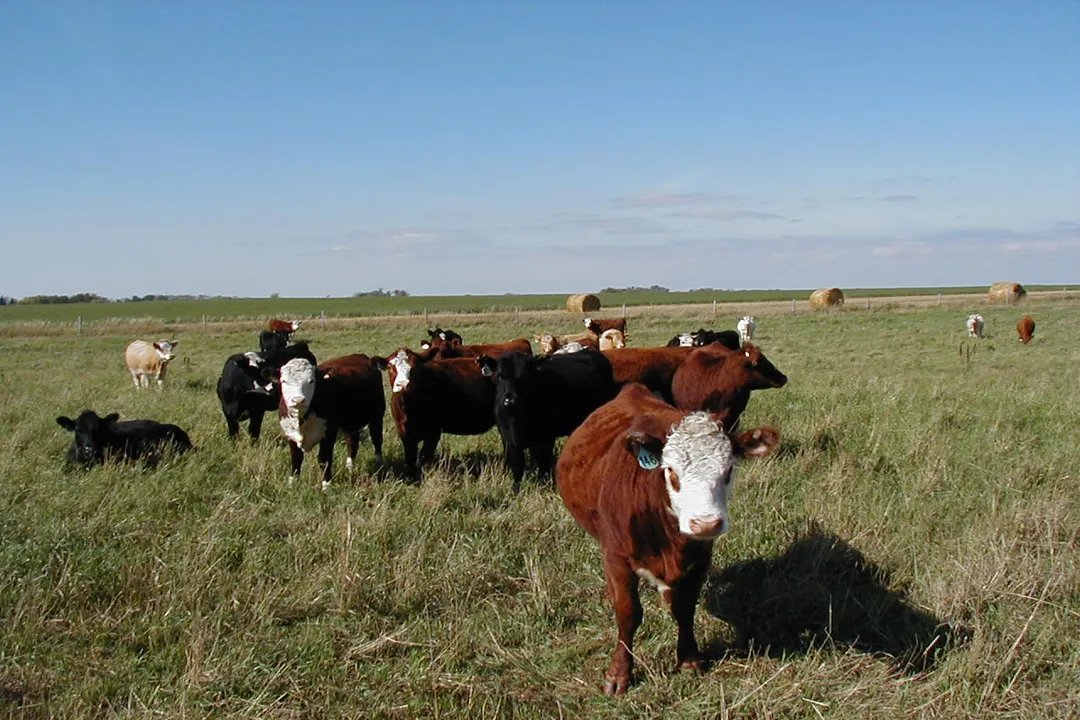
Alfalfa is frequently regarded as the gold standard among legumes because of its high nutrient concentration compared to grass forages. [7] Dry matter analysis often reveals crude protein levels ranging from 18% to over 22%, depending on maturity and harvest conditions. [9] This high protein content is invaluable for supporting milk production in dairy cattle or rapid growth in young beef stock. [7] Energy density is also significantly higher in alfalfa compared to many grass hays, providing substantial digestible energy alongside that protein boost. [1]
When considering how much an animal can consume, we must first look at Dry Matter Intake (DMI). For beef cows, DMI is often estimated to be between 2% and 3% of their body weight daily, though this figure adjusts upward significantly for high-producing animals or during peak growth phases. [5] If a 1,300-pound dry cow is eating 2.5% of her body weight in total feed, that equates to about 32.5 pounds of dry matter per day. [5] If a high-quality alfalfa hay makes up, say, 50% of that total intake, the cow is consuming roughly 16 pounds of alfalfa hay daily, providing substantial nutrients.
For a cow that is already meeting her maintenance needs through lower-quality forage, adding a small amount of alfalfa hay as a supplement can bridge a nutritional gap without completely overwhelming her digestive system with excess protein and energy she cannot utilize efficiently. [2]
# Intake Limits
The maximum amount of alfalfa cattle can eat safely is not a single fixed number; it is dictated by the animal's stage of production and the rest of the diet components. For mature, non-lactating beef cows, alfalfa should generally not exceed 40% to 50% of the total diet if the primary goal is just maintenance, although it can be fed at higher levels for cows in later gestation or for replacement heifers. [1]
For high-producing dairy cows, alfalfa can form the bulk of the forage base because their nutrient demands are so high. They might consume diets where alfalfa hay or silage makes up 60% or more of the forage portion, balanced with grains and protein concentrates to hit specific milk production targets. [7]
A critical consideration, particularly when feeding rich alfalfa hay, is the potential for mineral imbalances and over-conditioning, especially in lower-producing animals. When alfalfa constitutes too large a percentage of the diet, it can lead to excessive weight gain in dry-lot beef cows, which negatively impacts calving ease and subsequent reproductive performance. [8] If a producer is feeding 1,300-pound beef cows in dry lot, limiting the rich alfalfa hay to around 10 to 12 pounds per day as a protein/energy booster, while allowing them to fill up on lower-quality forage like grass hay or silage for bulk, is often a prudent approach to manage body condition score. [2]
It is interesting to compare the energy contribution versus the protein contribution. Alfalfa excels at both, but in situations where the energy requirement is the limiting factor (e.g., very cold weather or high-growth scenarios), feeding too much alfalfa might result in a surplus of protein that is simply metabolized and excreted, which is an expensive way to provide energy. [5] Conversely, if the goal is purely protein supplementation for low-quality grass forage, using straight alfalfa might result in the animal consuming less total dry matter than desired because the rumen becomes saturated with highly digestible nutrients too quickly.

# Pasture Versus Hay
The way alfalfa is fed drastically alters the intake dynamics and associated risks. Grazing fresh alfalfa pasture introduces the significant, immediate risk of frothy bloat. [4][6] Bloat occurs when soluble proteins in fresh legume forages create a stable foam in the rumen, trapping gas that cannot be eructated, leading to potentially fatal distension. [4]
When cattle are permitted to graze pure, lush alfalfa pasture, intake can be very high initially, sometimes leading to rapid bloat incidence. [6] Management techniques, such as ensuring cattle are full before turning them out, or mixing alfalfa with bloat-reducing grasses or using anti-bloat agents like poloxalene, are essential for managing fresh pasture intake. [4][6]
Hay intake is generally more predictable and safer concerning bloat, as the process of drying and harvesting denatures the proteins responsible for foam formation. [8] While feeding dry alfalfa hay, the intake is limited by the fiber content and the physical space in the rumen. A rule of thumb for quality hay intake, assuming adequate body condition, might be around 2% of body weight in dry matter, though this is highly variable. [1][3]
Here is a simplified look at how inclusion level affects a cow's diet profile when fed as hay:
| Diet Component | Body Weight (BW) | Total DMI Target | Alfalfa Hay % of DMI | Alfalfa Intake (lbs DM) | Primary Management Focus |
|---|---|---|---|---|---|
| Maintenance Cow | 1,300 lbs | 2.5% BW (32.5 lbs) | 25% | 8.1 lbs | Body Condition Control |
| Growing Heifer | 800 lbs | 3.0% BW (24.0 lbs) | 50% | 12.0 lbs | Growth Rate/Protein Need |
| High-Yielding Cow | 1,450 lbs | 3.5% BW (50.75 lbs) | 70% (Forage Basis) | Varies | Milk Production/Energy Density |
| [3][5][7] |
If you were to try to formulate a diet for a 1,300-pound dry cow needing 11% crude protein (CP) total, and your grass hay provides 8% CP, you would need to substitute alfalfa (approx. 20% CP) to raise the average. If the cow eats 20 pounds of grass hay (1.6 lbs CP) and you feed 8 pounds of alfalfa hay (1.6 lbs CP), her total intake is 28 lbs DM with 3.2 lbs CP, meeting the target CP requirement for maintenance with the added energy benefit. [2][9] Attempting to feed 20 pounds of alfalfa hay would provide 4 lbs of CP, potentially resulting in CP intake well over 14% of DMI, which is an inefficient use of expensive forage. [1]
# Feeding Richness
When feeding a very high-quality alfalfa hay—one that has been cut early and is very fine-stemmed—the physical structure matters just as much as the nutrient analysis. Very fine hay can behave differently in the rumen compared to coarse, stemmy grass hay. High-quality, leafy alfalfa is highly digestible, meaning it clears the rumen quickly. [8] If the rest of the diet lacks sufficient effective fiber (long-stem forage), the animal might eat too much total DMI too fast, or the rumen pH could drop due to rapid fermentation, leading to acidosis or poor rumination.
An often overlooked aspect when incorporating high-quality alfalfa into a Total Mixed Ration (TMR) for dairy or feedlot cattle is the potential for sorting. Finer, leafier particles often contain the highest concentration of protein and energy. If the TMR isn't mixed perfectly, the cattle will preferentially select these finer, more palatable alfalfa pieces first, leading to significant variation in nutrient intake across the herd. [8] This means that while the average intake may look correct on paper, individuals are likely consuming highly unbalanced diets, which can manifest as unexplained drops in performance or digestive upset. Ensuring the mix is uniform and feeding the hay in longer-stemmed forms, if possible, helps maintain physical structure. [8]

# Management Adjustments
Adjusting cattle to higher levels of alfalfa requires time, particularly if they are coming off a low-quality grass diet. Rapidly introducing large quantities of rich alfalfa can cause digestive upset as the rumen microbes shift their population structure to handle the higher intake of readily available carbohydrates and protein. [3] A slow introduction period, perhaps starting with only 10% to 20% alfalfa hay mixed into the existing ration and gradually increasing the percentage over a week or two, allows the microbial population to adapt safely. [3]
This adaptation period is especially crucial for grazing. If transitioning from grass to a pasture containing high percentages of blooming alfalfa, producers must be acutely aware of the bloat risk and manage turnout times and duration conservatively until the cattle are accustomed to the new feed source. [6] Grazing should be done when the pasture is dry, as dew or rain increases the solubility of the foam-producing proteins. [4]
Ultimately, the question of how much alfalfa cattle can eat boils down to precise nutritional balancing against their current demands. Alfalfa is not just "good hay"; it is a potent source of feed that must be respected for its density. For beef producers, it's best viewed as a powerful tool to precisely boost energy and protein during times of high demand—such as late gestation or early lactation—rather than a cheap filler for maintenance feeding, where its cost and nutrient load can easily lead to over-conditioning. [1][2]
Related Questions
#Citations
Alfalfa for Beef Cows | Extension | University of Nevada, Reno
Using Alfalfa as a Supplement for Beef Cows - Drovers
How much is too much alfalfa to beef cows? High quality - AgTalk
Prevention of Pasture Bloat in Cattle Grazing Alfalfa
Calculation of livestock's winter feed needs a must for cow-calf ...
Prevention of Pasture Bloat in Cattle Grazing Alfalfa
For beef cattle, alfalfa meets needs for protein and energy
Feeding Rich Alfalfa Hay to beef cattle
[PDF] Alfalfa for Dairy Cattle - Arkansas Cooperative Extension Service