Welsh Black Cattle Diet
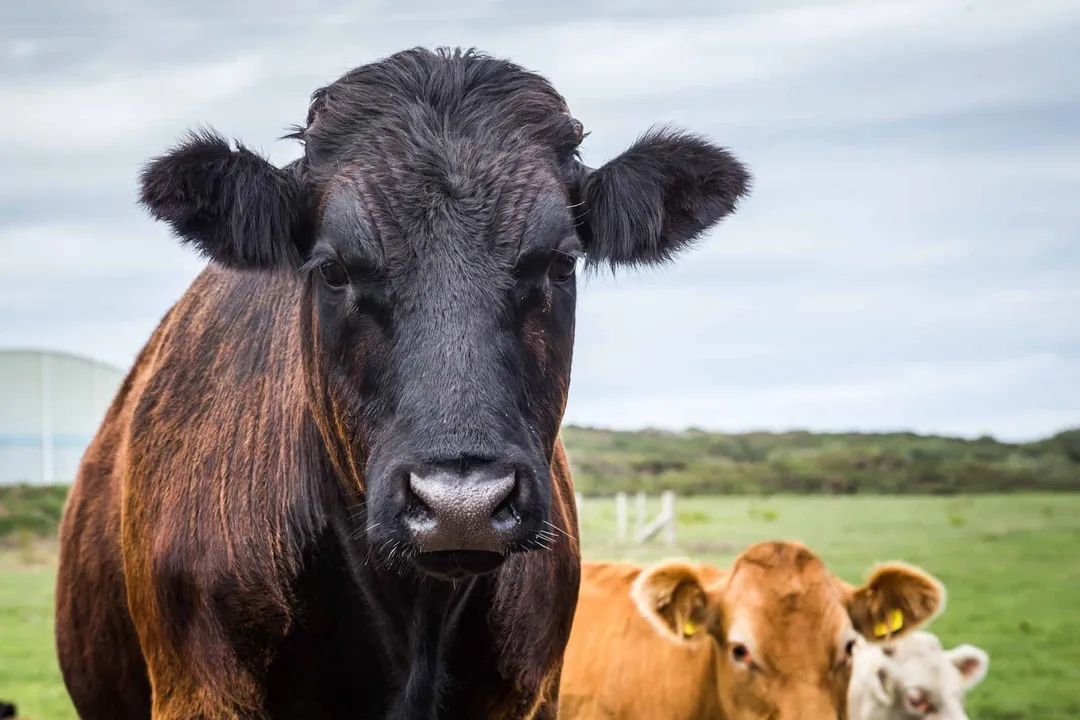
The Welsh Black cattle breed carries a reputation for being remarkably self-sufficient, a characteristic intrinsically linked to their native landscape and their dietary needs. Unlike some modern, high-output breeds that demand rich, heavily managed pastures, the Welsh Black thrives on what many other cattle might struggle to maintain themselves on. [1][4] Their diet is fundamentally built around grazing, making them excellent stewards of less fertile ground. [7][9]
# Grazing Excellence
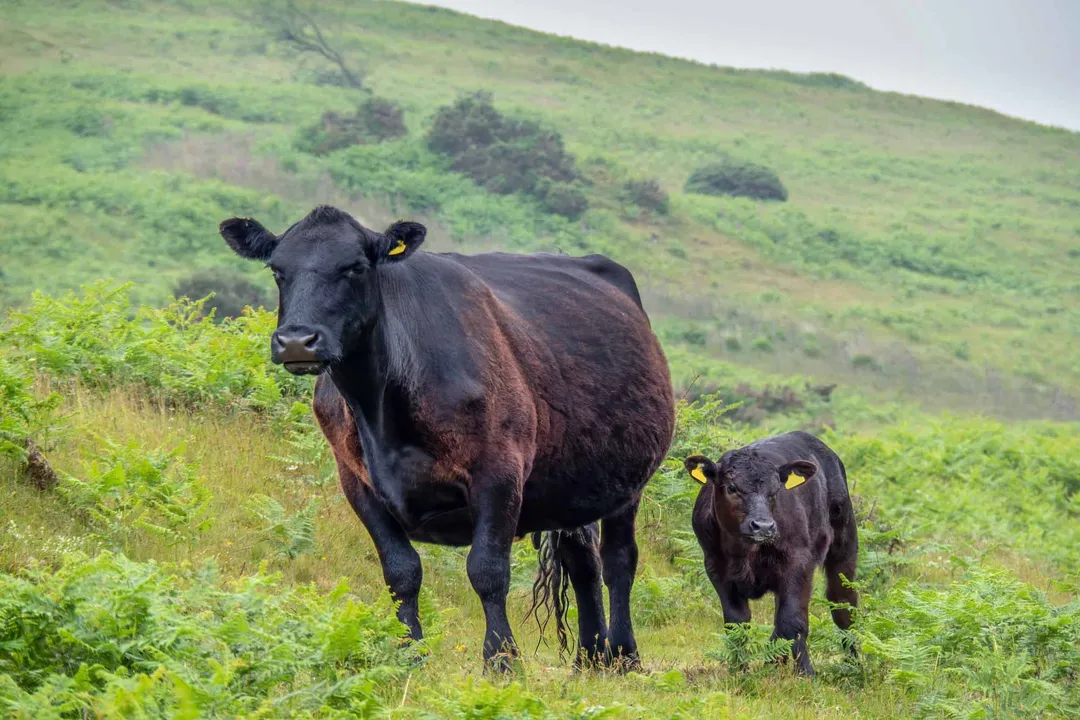
At the heart of the Welsh Black’s diet is grass, particularly the native vegetation found across the hills and marginal lands of Wales. [2] These cattle are renowned as good foragers. [1] This isn't just about eating what is available; it speaks to an efficiency honed over centuries of adapting to varied and sometimes sparse conditions. [4] They possess an inherent ability to seek out and utilize rough grazing materials that other cattle might leave untouched. [3][6]
This foraging capability means they are very thrifty. [3] In practical terms for a farmer, this translates to lower input costs, as the animals are adept at converting lower-quality roughage into marketable beef. [6] An inherent advantage of this breed is their capacity to thrive in environments where the nutrient density of the pasture varies significantly throughout the year. [9] While their primary sustenance is grass, their physiological efficiency allows them to maintain condition where other breeds might quickly fall away.
It is interesting to observe how this natural inclination toward lower-quality feed contrasts with the intensive finishing systems often employed elsewhere. If a herd of Welsh Blacks is kept on native upland pasture—perhaps a mix of various grasses, rushes, and hardy herbs typical of Welsh grazing—they will generally maintain good body condition without the need for high-energy concentrates, provided the sheer volume of forage remains adequate. [2][4] Their ability to utilize poorer forage sources efficiently makes them economical to keep, particularly on sites with challenging soil structures or higher altitudes. [6]
# Seasonal Needs
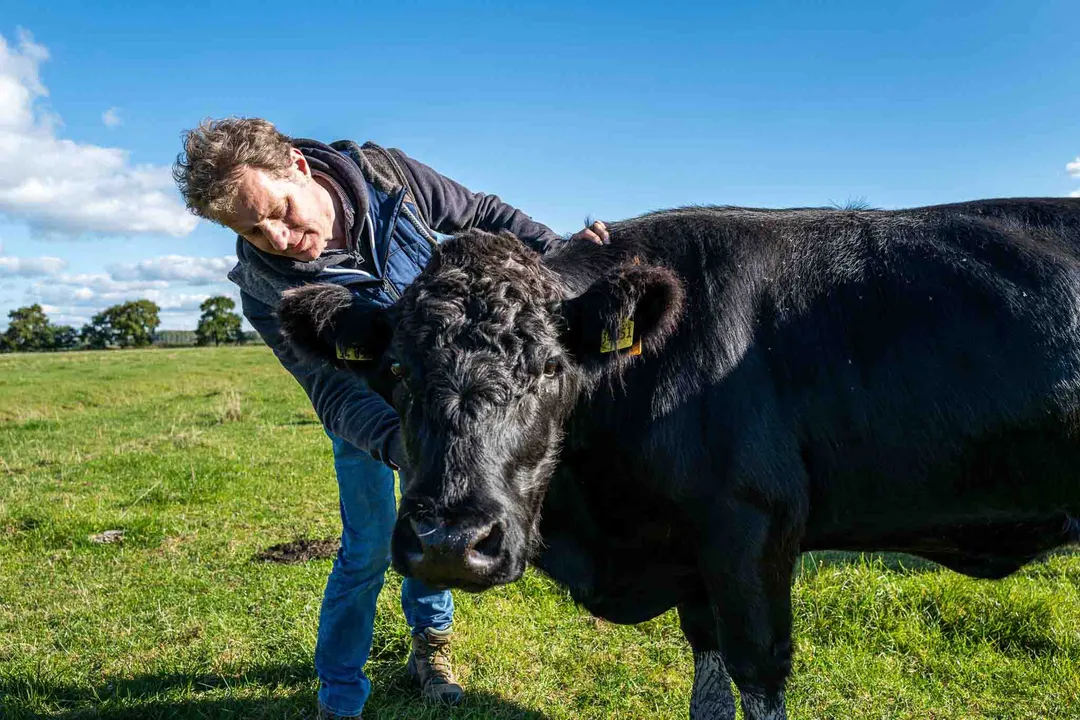
While their natural diet is grass, the reality of livestock management in temperate climates requires adjustments, especially during the winter months or periods of prolonged drought when forage quality inevitably declines. [8] The Welsh Black remains undemanding, but survival and production depend on providing sufficient energy when the grass growth stalls.
For many keepers, the winter diet shifts toward conserved forage. [5][8] Common staples mentioned in keeper circles include haylage and hay. [5][8] This shift is necessary because the nutritional density of dormant grass or winter pasture drops considerably.
However, even with conserved feed, the requirement for rich supplementation remains low for many herds. One observation from experienced smallholders suggests that while hay/haylage forms the bulk, small additions of barley or nuts might be introduced during the harshest parts of winter, especially for pregnant cows or growing youngstock. [8] This highlights a key management principle: the supplement is designed to plug a small gap in an already efficient system, rather than forming the foundation of the diet.
Consider a typical hill farm in Wales during January. The standard Welsh Black might receive good quality hay. If the herd is managed traditionally, emphasizing slow growth and hardiness over rapid finishing, the need for processed supplements might be minimal, perhaps only required for the young or very old stock needing a condition boost. [2] For a herd intended for summer finishing on grass alone, the winter diet's primary goal is maintenance, not aggressive fattening.
# Adaptability Across Climates
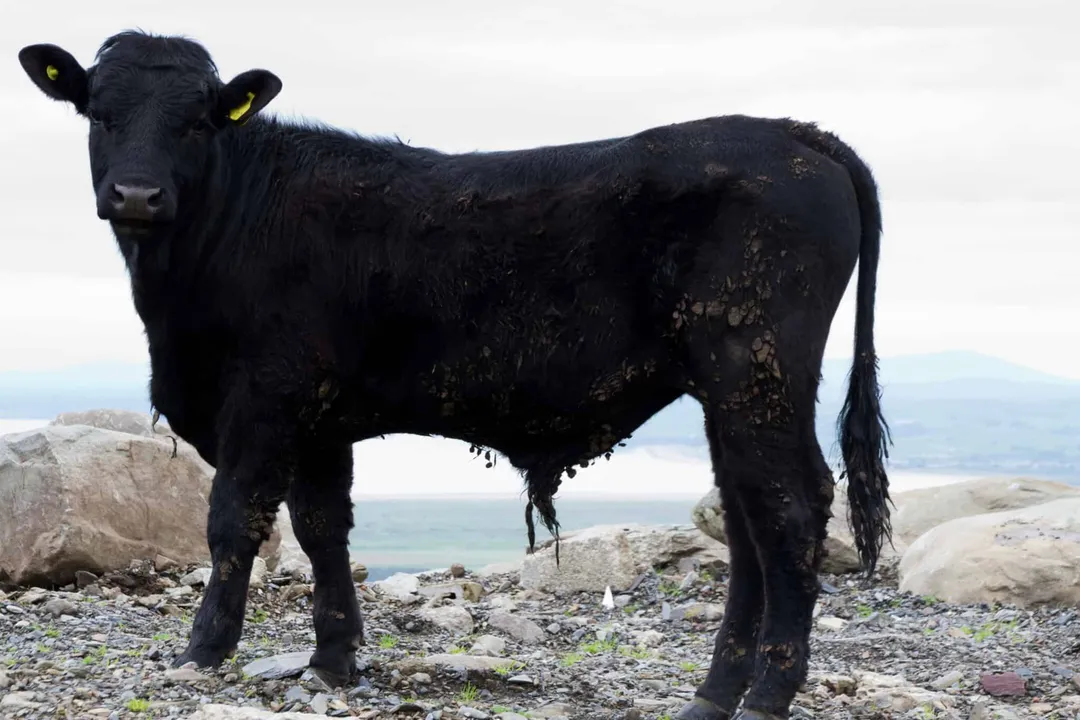
The dietary suitability of the Welsh Black extends well beyond the UK. Their hardiness, which dictates their low-input diet, has allowed them to be successfully introduced into diverse global environments, including Australia and New Zealand. [7][9]
In these different climates, the cattle demonstrate the same principal: they thrive on the available local forage, even if it is less nutrient-rich than prime agricultural land. [7] This adaptability confirms that the breed's physiology is geared toward survival and efficient production on variable feed sources, rather than reliance on a narrow, high-quality menu. [9]
If we analyze the feed conversion rates, an interesting point arises. While specific published data on the exact for the Welsh Black on poor versus rich pasture is often proprietary or subject-specific, their documented success on marginal land strongly suggests a superior intake-to-gain ratio when forage quality is low, compared to breeds genetically selected solely for rapid growth on high-energy diets. In effect, they maximize the energy extracted from the mediocre pasture available. [6]
For instance, imagine two herds on the same 800 pasture in December. A faster-growing, continental breed might require 100 grams of supplementary protein just to maintain weight, whereas the Welsh Black, due to its naturally slower metabolism and efficient digestive system adapted to fibrous feed, might require only 50 grams, or none at all. [3] This is the practical expression of being "thrifty."
# Management Insights
When managing a herd of Welsh Black cattle, understanding their innate dietary habits allows for an intelligent approach to pasture rotation and stocking rates.
# Pasture Planning
A successful management strategy recognizes that these cattle can handle rough grazing, but this should not be confused with an expectation that they should be constantly underfed. To maintain herd health and allow calves to develop properly, pasture management remains essential. [2]
Here is a guideline for thinking about pasture composition for a herd primarily grass-fed:
- Maintain Diversity: Do not over-graze areas to the point where only the least palatable, lowest-nutrient weeds remain. The goal is to allow them to utilize the range of available forages. [1]
- Avoid Over-Supplementation: Be cautious about introducing rich, high-protein supplements intended for different breeds. This can lead to unnecessary fat deposition or even digestive upsets in a system designed for lower-energy input. [8]
- Winter Reserve Calculation: Estimate the required tonnage of hay or haylage based on the breed's known lower maintenance requirements (often cited as needing about 2% of body weight in dry matter daily for maintenance, though this varies by age and stage). [2] A common pitfall is buying feed based on the requirements of a higher-yielding, less hardy breed.
# Water and Minerals
Although the sources focus heavily on bulk feed, ensuring access to clean water and essential minerals is a universal requirement for cattle, regardless of breed. [1] Even the hardiest breed cannot function efficiently if dehydrated or deficient in necessary trace elements like selenium or copper, which can sometimes be lacking depending on the local geology of the grazing land. [4] While the Welsh Black is adept at sourcing nutrients from its environment, direct access to a mineral block remains a wise practice to ensure all micronutrient needs are met without having to rely solely on the variable natural intake from the forage itself.
The entire dietary profile of the Welsh Black steers clear of the 'more is better' mentality often associated with intensive beef production. Their history in the rugged Welsh hills has instilled a deep efficiency, making their diet fundamentally simple: good quality, plentiful, available grazing, backed up by basic conserved feed when the weather turns harsh. [2][6] This natural inclination toward thriftiness is perhaps their greatest asset to the modern farmer looking for sustainable, low-input beef production. [3][7]
Related Questions
#Citations
Welsh Black Cattle Animal Facts - Bos taurus taurus
[PDF] The Super Suckler Cow - The Welsh Black Cattle Society
Welsh Black Cattle - KS Farm
Welsh Black - Cattle International Series
Welsh Black cattle: history and modern farming benefits - Facebook
What are Welsh Black cattle? - Krautsand Farm
Australian Welsh Black Cattle Society - About the breed
Welsh Mountain Blacks - The Accidental Smallholder
About New Zealand Welsh Black Cattle Characteristics