What are the facts about black tarantulas?
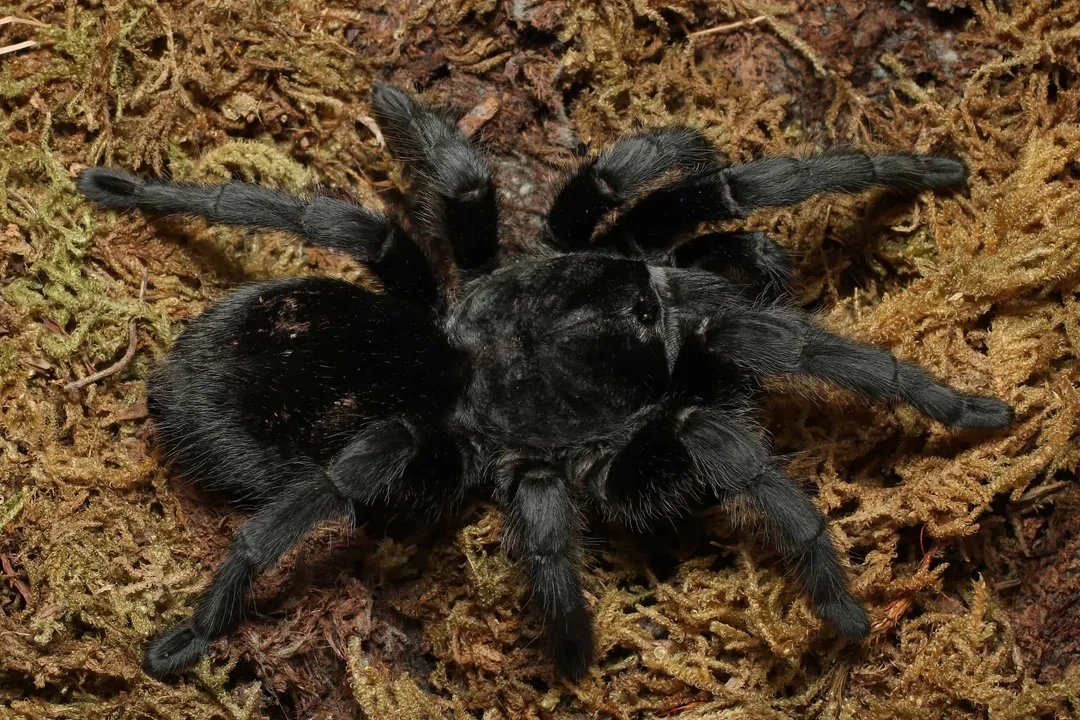
The term "black tarantula" often brings to mind a single, imposing figure of the arachnid world, yet this simple descriptor encompasses several fascinating species, each with its own unique set of facts, geography, and behavior. Perhaps the most recognized in the exotic pet trade is the Brazilian Black Tarantula (Grammostola pulchra), celebrated for its striking, uniform, jet-black appearance. Contrast this with the Grand Canyon Black Tarantula (Aphonopelma marxi), a resident of the American Southwest, whose life cycle and habitat preferences are shaped by entirely different environmental pressures. Understanding these differences is key to appreciating the breadth of these dark-hued spiders.
# Physical Characteristics
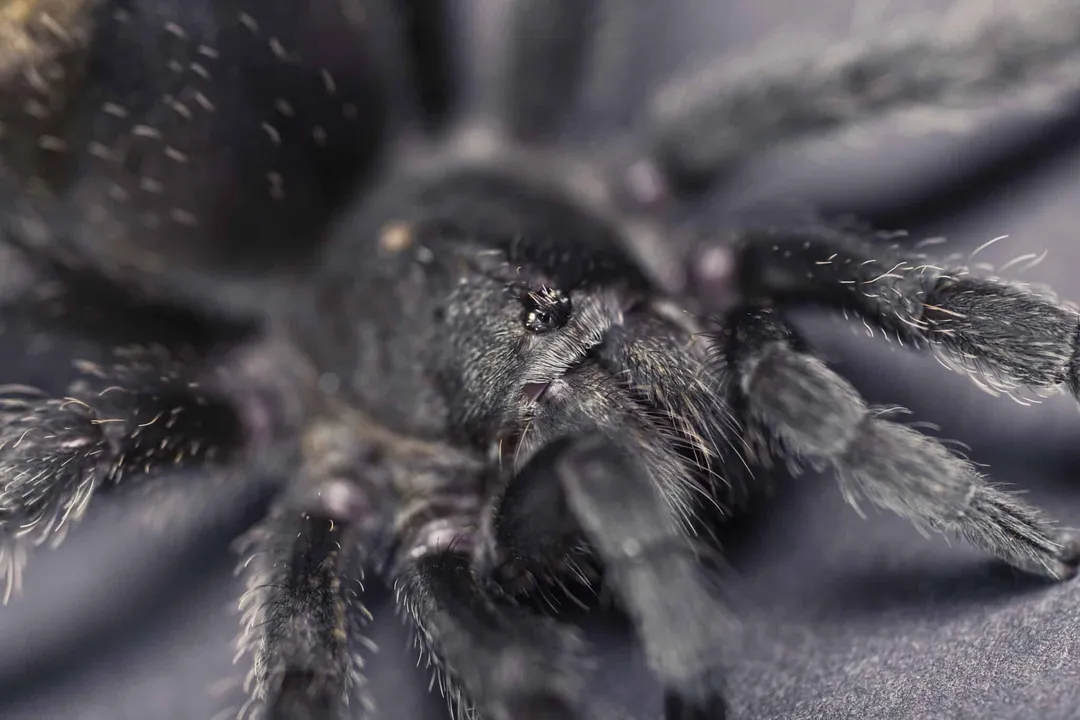
The most arresting feature of the Brazilian Black Tarantula is its coloration. It is characterized by a deep, shiny black hue covering its entire body, including its jointed legs, which are covered in spikey black hairs. Adult G. pulchra can reach impressive dimensions, often growing between 6 and 7 inches, with some specimens reportedly reaching up to 8 inches in length. In comparison, the Grand Canyon Black Tarantula (A. marxi) is generally smaller, growing up to about 4 inches from leg tip to leg tip, or achieving a leg span of up to 4+ inches. While both are large spiders compared to common household varieties, the Brazilian Black leans toward being one of the larger species in its category.
Both species, like nearly all New World tarantulas, possess a dense covering of hair across their bodies. These hairs are not just for show; they serve as sensory organs, detecting vibrations from both potential prey and approaching threats. Furthermore, these hairs are often barbed, and when the spider feels threatened, it can brush them off its abdomen, projecting them toward an aggressor.
Sexual dimorphism is a common trait among tarantulas, meaning the sexes look different, and this is certainly true here. Females of both species are considerably larger than their male counterparts. For the Brazilian Black, the difference in size is paired with a vast difference in longevity. Males of G. pulchra typically live for about 6 to 8 years, while females can surpass two decades, with some documented instances reaching 30 years old.
# Geographic Diversity
The environments that mold these two prominent black tarantulas could not be more disparate, highlighting how classification by color masks significant ecological variance. Grammostola pulchra is strictly a South American native, found within the grasslands of Brazil and Uruguay. They favor a warmer, likely wetter, tropical climate and spend their days deep within burrows dug beneath low vegetation or tucked near rocks. In contrast, the Grand Canyon Black Tarantula, as its name suggests, resides in the "Four Corners" region of the United States, inhabiting parts of Arizona, Colorado, New Mexico, and Utah. This species prefers higher elevations and a notably drier climate than its South American counterpart.
Both species exhibit fossorial tendencies, meaning they spend the majority of their time in subterranean homes. Tarantulas create burrows that are typically lined with silk to provide structural reinforcement and prevent collapse. For the Grand Canyon species, their burrows are known to be particularly difficult to locate. This terrestrial, burrowing lifestyle keeps them hidden for most of the year, only emerging for specific seasonal activities or hunting runs.
When considering the differing natural homes, it is interesting to note the growth rates. The Brazilian Black, a species capable of living for decades in a relatively warmer climate, is famously a slow grower, sometimes taking up to eight years just to reach maturity. While specific growth rates for A. marxi are less detailed, their lifespan of up to 30 years suggests a similar pattern of slow development, though they exist in a cooler, more arid environment. The contrast between a species native to humid Brazilian grasslands and one thriving in the dry elevations of the US suggests that while environmental moisture impacts care requirements, the sheer potential for longevity in species like G. pulchra is a key driver of their extended maturation period. This factor alone makes the commitment to keeping one as a long-term companion quite significant, regardless of sex.
# Daily Life and Diet
Black tarantulas are primarily nocturnal creatures. They are not web-builders in the way orb-weavers are; instead, they use their silk to line their secure, hidden residences. When hunting, they are generally ambush predators, waiting near the entrance of their burrow for unsuspecting prey to wander past.
Their diet consists largely of insects, but they are opportunistic carnivores, also consuming small lizards and rodents, such as pinky mice. Once prey is within reach, the tarantula quickly snatches it, delivering a paralyzing bite via its fangs. Unlike spiders that ingest their food internally, tarantulas utilize external digestion. They inject digestive juices into the paralyzed meal, liquefying the insides so they can ingest the resulting slurry. After securing a substantial meal, a tarantula can go for extended periods without eating again, sometimes for many months.
For the Grand Canyon Black Tarantula, males become most visible during the autumn months as they leave their safe burrows and wander constantly in search of a mate, making them easier to spot by park visitors. Similarly, male G. pulchra must leave their secure homes to seek out receptive females, placing them at heightened risk, especially at night.
# Defense Mechanisms
When these large, furry spiders encounter a perceived threat, their response is usually geared toward deterrence rather than outright aggression, particularly for the Brazilian Black. While all tarantulas possess fangs and venom, the severity varies greatly. The venom of G. pulchra is often described as less irritating compared to many other tarantula species. If a direct confrontation occurs, they may rear up, hiss, and deploy their urticating hairs.
The urticating hairs are a significant defensive tool for North and South American tarantulas. If these barbed strands make contact with skin, they can cause substantial itching, burning, and irritation. If the hairs get into the eyes, there is a genuine risk of retinal damage. This airborne defense is a common feature across species like A. marxi. Interestingly, Brazilian Blacks are noted as having a reduced tendency to kick these hairs, often preferring to flee instead of fight, which contributes to their favorable reputation among keepers.
For the Grand Canyon Black Tarantula, a bite is said to cause localized extreme pain, swelling, and redness, though it is generally not considered medically significant to humans, with the pain level sometimes compared to a wasp sting. It is worth noting that only a few tarantula species possess truly medically significant venom. For those observing or keeping these animals, understanding the primary defense deployed is crucial. While the bite is always a possibility, the immediate reaction to irritation often comes from the urticating hairs. The lower propensity for G. pulchra to deploy these irritants, coupled with milder venom, sets a different baseline of immediate risk compared to species where hair-kicking is the first line of defense.

# Reproduction and Life Cycle
Tarantulas undergo molting as a necessary part of their growth process. Before a molt, a spiderling or adult will often refuse food, appear fatigued, and seek a hidden, secure spot until the process is complete, after which the old exoskeleton is abandoned. This shedding allows them to increase in size, a necessity given their long lifespans.
The mating process is fraught with peril, especially for the male. When it is time to reproduce, the male seeks out a female’s burrow, often tapping near the entrance to signal his intentions. The female’s receptivity dictates the outcome; if she is not amenable, she may attack. If mating proceeds, the male must still exercise extreme caution, as females of many species, including the Brazilian Black, have been known to bite or consume the male after copulation. The male deposits sperm onto a specialized "sperm web" and then attempts to transfer it to the female using his pedipalps.
Once successfully mated, the female G. pulchra can produce a significant number of offspring, sometimes laying between 600 and 650 eggs in a single season, which are encased in a protective silken sac. The Grand Canyon Black Tarantula is also a diligent mother, vigilantly watching over her egg sac, which can contain anywhere from 100 to over 500 eggs, which typically hatch within 60 days. The resulting spiderlings emerge looking like miniature versions of the adults and will stay with their mother for a few weeks before dispersing to begin their solitary lives.
The disparity in male and female lifespans is stark. The brief time males spend seeking mates and reproducing contributes to their shorter existence. In the wild and in captivity, this means that the presence of a mature female represents a commitment spanning decades, a characteristic highly valued by enthusiasts.
# Considerations for Care and Interaction
The Brazilian Black Tarantula's reputation for docility and its relatively placid nature makes it a frequently recommended species for beginners in the exotic pet trade, alongside its appealing appearance. In a captive setting, their habitat requires moderate humidity and good ventilation, along with several inches of substrate to allow for burrowing, as they are terrestrial. They typically require feeding a few insects, like crickets or roaches, per week for optimal health. It is strongly advised never to feed a captive spider anything that has contacted the outdoor environment, due to the risk of introducing fatal toxins or pathogens.
Even with a temperament described as easy-going, handling any tarantula should be done with reservation. Although G. pulchra is less likely to employ defensive hair-flicking, they must still be treated with caution. When attempting to interact with any tarantula, it is sensible to allow the animal time to adjust to your presence before attempting to reach into the enclosure. Should one choose to handle a tarantula, it is best done while sitting over a cushioned surface, as even a short fall can result in serious injury or death to the spider due to its brittle structure. Furthermore, local regulations regarding the keeping of non-native arachnids must always be checked, as laws governing captivity and breeding can vary by location. Some nature centers, like the Sarett Nature Center, even maintain specific educational ambassadors, such as their G. pulchra, Sally, who was acquired specifically for her docile nature to serve as an ambassadorial representative of the species.
While G. pulchra is popular in the trade, the ban on exporting wild-caught specimens and their slow growth rate means that mature females often command high prices from reputable breeders. Whether one encounters these spiders in the wild or keeps them in a controlled environment, respecting their solitary, ambush-predator nature and appreciating their unique defensive arsenal—whether it be venom, hairs, or sheer avoidance—provides a deeper appreciation for these magnificent arachnids. They are not aggressive by nature but will certainly protect themselves if they feel they have no other option.
Related Questions
#Citations
Brazilian Black Tarantula Animal Facts - Grammostola pulchra
The Facts You Need To Know About Brazilian Black Tarantula
Grand Canyon Black Tarantula (U.S. National Park Service)
Grammostola pulchra (Brazilian Black Tarantula) Information + ...
Grammostola pulchra - Wikipedia
The Grand Canyon Black Tarantula - Critter Science