Welsh Corgi Evolution
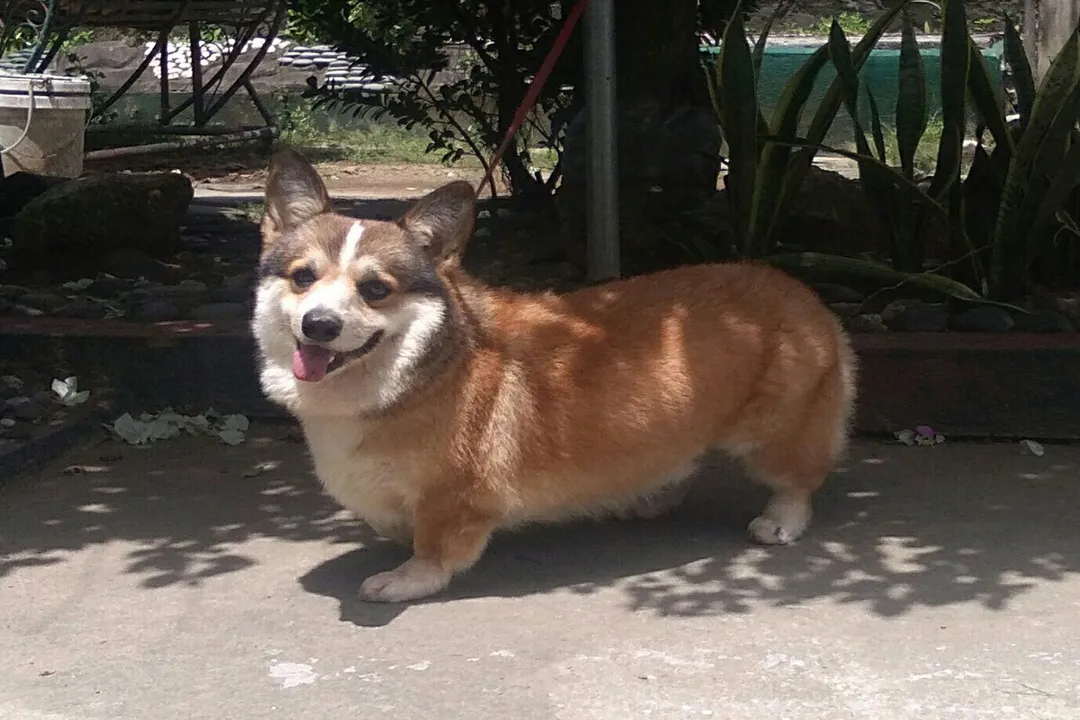
The Corgi breed story is inherently a tale of two dogs that share a name and homeland. [9] In Wales, the term "Corgi" simply means "dwarf dog" or "cur dog". [3][5] This ancient lineage traces back over a millennium, originally bred for the demanding task of driving cattle. [2][7] To truly understand the Welsh Corgi evolution, one must look at the separation of the Pembroke and the Cardigan varieties, two distinct breeds stemming from a shared heritage. [9][8]
# Welsh Roots
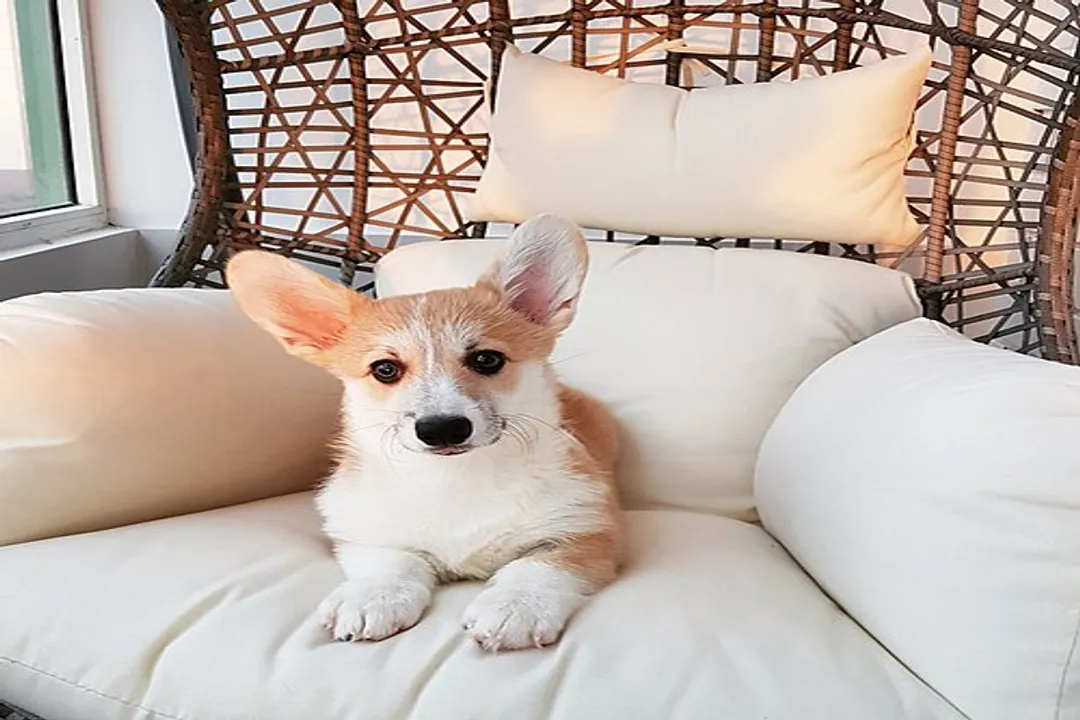
They are undeniably Welsh, deeply connected to the agricultural landscape of Pembrokeshire and Cardiganshire. [2][8] The Cardigan Welsh Corgi is often considered the older of the two strains, potentially descending from the dogs brought to Wales by the Celts around . [8] The Pembroke's ancestry is more debated, with some theories suggesting influences from Flemish weavers' dogs, perhaps brought over in the 10th century. [1][3] Despite these varying ancestral claims, both were historically instrumental in the arduous work of driving livestock. [5][7] They moved cattle by nipping at the heels, requiring them to keep low to the ground to avoid being kicked by the larger animals. [5][7] This specific work sculpted their physical form over centuries. [2]
# Genetic Split
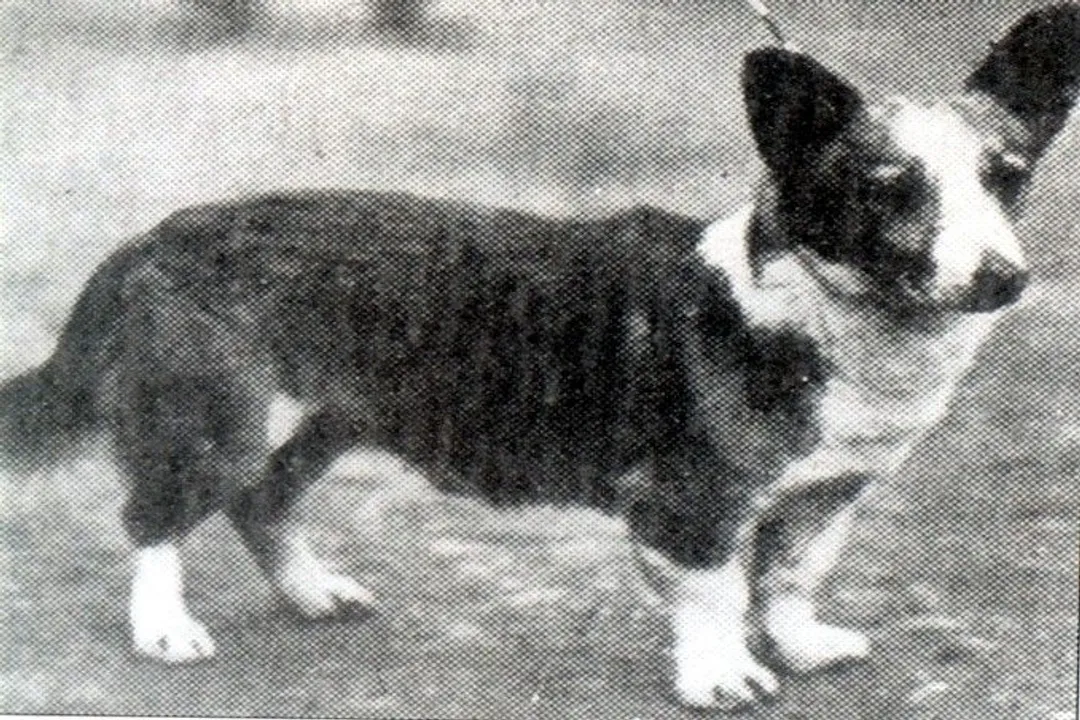
The critical evolutionary divergence centered geographically and genetically. [9] The Cardigan Welsh Corgi, associated with Cardiganshire, is characterized by a longer tail, whereas the Pembroke Welsh Corgi, originating from Pembrokeshire, is typically born with a naturally bobbed or docked tail. [8][3] While once considered variations of the same breed, they were officially recognized as separate entities by The Kennel Club in England in . [1][9] This formal separation acknowledged the distinct physical traits and genetic lines that had developed over time within their respective regions. [8] Looking closer at physical conformation, Cardigans possess a bone structure that is slightly heavier, and their ears tend to be larger and more rounded when compared to the Pembroke's decidedly more fox-like head and ear set. [8]

# Low Stature
The defining feature of both breeds—their short legs—is a direct result of a form of dwarfism known as achondroplasia. [3][5] This genetic trait was selected for by their early Welsh farmers because it provided a crucial advantage in their herding role. [5] Being low to the ground allowed them to effectively control livestock by nipping their hocks without being vulnerable to being kicked upward by the larger animals. [7] This was not a random trait; it was a carefully preserved functional adaptation favored by rural workers. [5] For instance, a farmer in the s likely prized a dog that could duck under a cow's swing over one that was faster but taller. [1] This practical necessity cemented the Corgi's look long before aesthetics became a primary consideration in dog breeding. [2]
It is fascinating to consider the energy requirements implied by this history. A relatively small dog driving a large bull necessitates immense stamina and nerve, suggesting that early Corgis possessed a tenacious spirit that breeders, even today, must actively preserve. This drive is perhaps more evident in the historical context of Welsh farming where dogs were indispensable workers, not mere companions. [2][5]
# Breed Recognition
The Corgi remained largely a local secret within Wales for centuries. [7] Their journey to international fame gained significant momentum in the s and s when they began appearing in conformation shows. [1][4] The Pembroke Welsh Corgi benefited immensely from the attention of the British Royal Family. [1][3] In , the future King George VI acquired a Pembroke puppy named Dookie, and his daughters, Princess Elizabeth (the future Queen Elizabeth II) and Princess Margaret, soon followed suit. [1][4] This royal endorsement rapidly elevated the breed’s profile both within the United Kingdom and abroad, turning them into instant celebrities. [1]
# Kennel Club Status
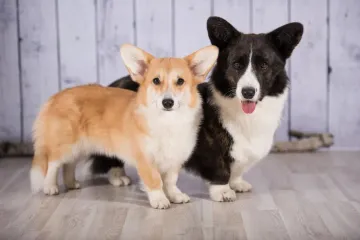
While the Kennel Club recognized the two types separately in , the American Kennel Club (AKC) initially registered both types under the single name "Welsh Corgi" until . [4] After that date, the AKC officially recognized the Pembroke as a distinct breed. [4] The Cardigan, however, did not receive official AKC recognition until . [8] This slow and deliberate separation highlights the historical confusion between the two groups and confirms that distinct genetic pools had already formed well before the modern show era. [9] The Welsh Corgi League notes that the Cardigan was already established in the United States before the Pembroke arrived, though the Pembroke quickly surpassed the Cardigan in sheer numbers due to that influential royal patronage. [2]
To illustrate the impact of this royal endorsement, one can observe early registration trends. If we were to track the growth of show entries in the UK during the mid-s, a significant percentage of Pembrokes shown were likely connected to the royal circle, creating an immediate standard and desirability that the Cardigan, lacking that visible national champion, had to build more organically through its own documented working merits. [1][4]
# Modern Status
Today, both Corgi breeds have largely transitioned from the rough work of droving cattle to roles as companion animals and successful show competitors. [7][3] Although their conformation has been refined through generations of selective breeding for the show ring, the underlying instinct to herd remains remarkably strong in many individuals. [5] Owners of modern Corgis, whether Cardigan or Pembroke, often report their dogs attempting to "herd" children or other pets by nipping at heels, a direct echo of their thousand-year-old vocation. [2] Breeders today face the ongoing task of balancing the established physical standard required by kennel clubs with maintaining the hardy, intelligent temperament necessary for their ancestral work. [10] The evolution of the Corgi is thus not just about changes in appearance, but a long story of adapting a highly specialized working dog into a beloved family member while retaining the spirit of the Welsh valleys. [7]
#Videos
Pembroke Welsh Corgi - Full History - YouTube
Related Questions
#Citations
Pembroke Welsh Corgi History - Dog Breeds - American Kennel Club
Breed History - Welsh Corgi League
Pembroke Welsh Corgi - Wikipedia
Brief History - Pembroke Welsh Corgi Club of America
The Pembroke Corgi in the Past
Pembroke Welsh Corgi - Full History - YouTube
History of the Breed - Mayflower Pembroke Welsh Corgi Club
History of the Cardigan Welsh Corgi
History of welsh corgi breed
History - Wendt Worth Corgis