What do wolf spiders hate the most?

Wolf spiders, known for their hunting prowess and imposing size, are often unwelcome guests around homes and yards, leading many homeowners to wonder about their weaknesses or what drives them away. These spiders are primarily ground-dwellers, often found hunting actively rather than sitting in webs, which influences the most effective methods for deterring them. [9] Understanding what they actively dislike often translates to learning about their natural habitat preferences and the environmental factors that disrupt their hunting or nesting routines.
# Ground Hunting
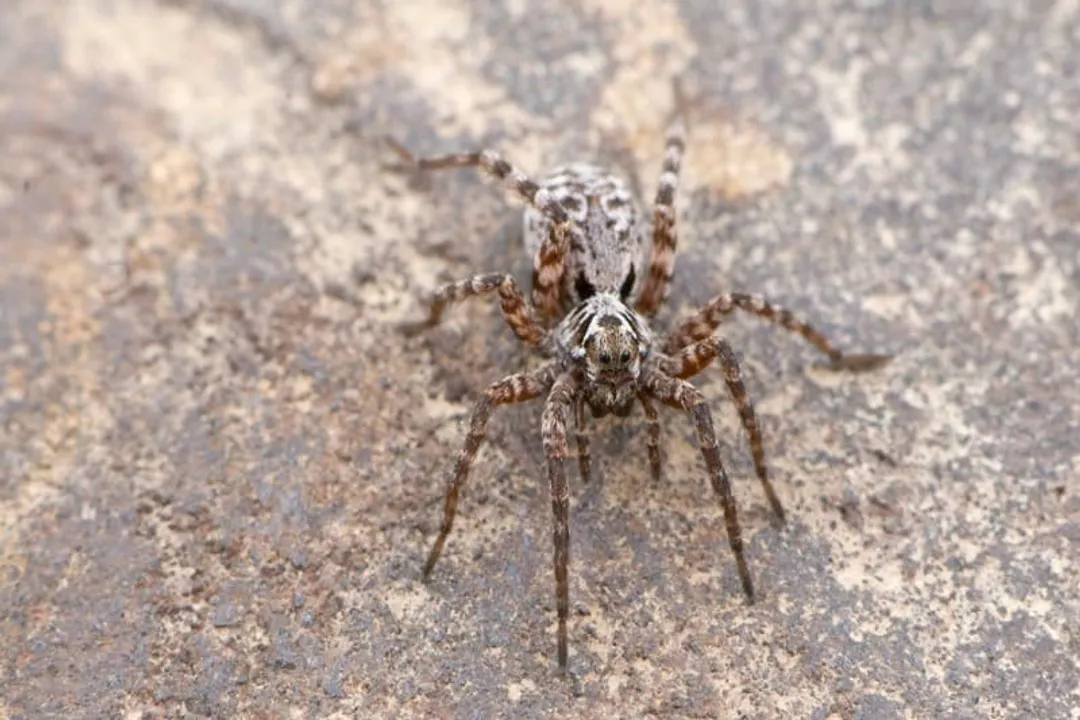
The natural history of the wolf spider reveals a preference for specific environments that they actively seek out, and conversely, those they tend to avoid. They are often found outdoors in areas like gardens, wood piles, under debris, and in flower beds, where they can stalk prey on the ground. [2][9] Indoors, they favor ground-level areas, basements, crawl spaces, and ground-floor rooms. [4][9] This strong association with the ground means they are strongly attracted to ground-level access points and harborage sites that mimic their preferred outdoor locations. [9]
Their reliance on their legs for speed and ground pursuit means that surfaces or conditions hindering movement might be naturally disliked. While sources do not explicitly list a disliked surface texture, their behavior strongly suggests an aversion to environments where they cannot easily traverse or hide close to the earth. For instance, areas kept exceptionally clean, with minimal ground cover or debris, are less appealing hunting grounds than cluttered spots. [2]
# Chemical Aversion
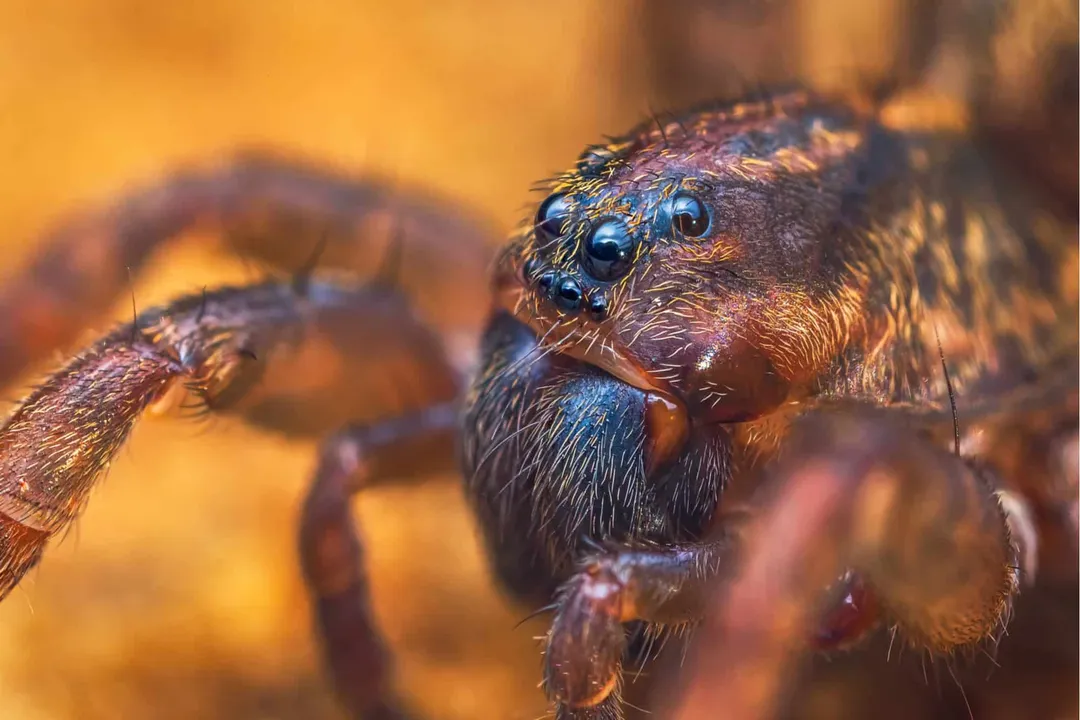
When considering repellents, the focus often turns to scents that spiders find offensive. While some general spider repellents involve strong essential oils like peppermint, tea tree, or citrus, these are not universally confirmed as highly effective specific deterrents for wolf spiders by the provided sources. [7] Some anecdotal reports suggest that strong scents, particularly those derived from mints or vinegar, might discourage spiders generally. [1][7] However, for a large, active hunter like the wolf spider, a temporary scent barrier is often less effective than removing the attractants that bring them in the first place. [4]
If one were to attempt a scent-based deterrence, the application strategy is key. A strong solution of white vinegar and water is frequently suggested for general spider repellent applications. [7] For areas where a wolf spider might travel, maintaining a consistent application, perhaps every week or two, is necessary if relying on smell alone, as volatile oils dissipate quickly. [1] This contrasts sharply with permanent physical exclusion, which requires only initial effort. [5]
# Predatory Threats
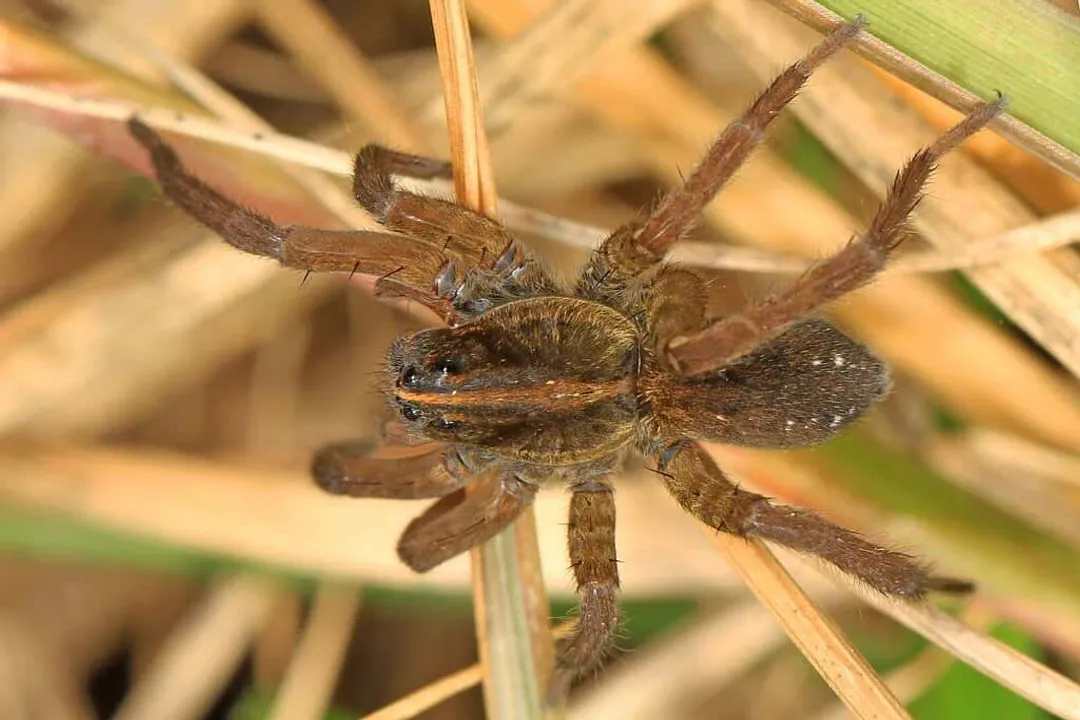
Perhaps the most significant thing a wolf spider "hates" to encounter is a superior predator. Wolf spiders are formidable hunters themselves, preying on insects and even other spiders. [8] In fact, wolf spiders have been documented consuming pests like cockroaches, crickets, and even other spiders, including brown recluse and black widow spiders, showcasing their aggressive predatory nature. [8]
This natural hierarchy means their biggest threat often comes from larger predators or other, more aggressive spiders. In a domestic setting, this might translate to cats or certain birds if the spider ventures outdoors or into well-lit areas, though active control methods are usually aimed at minimizing contact rather than relying on secondary predators. [4] For a wolf spider, the scent or presence of another large, territorial spider, or a known threat like a toad or certain lizards in the yard, would likely be a strong disincentive to linger. [8]
Here is a comparison of common strategies based on how directly they counter the wolf spider's natural behavior:
| Strategy Type | Mechanism of Action | Wolf Spider "Hate" Level | Effort Required |
|---|---|---|---|
| Exclusion | Physically blocks access to shelter/food | High (Eliminates resource access) | Initial high effort, low maintenance |
| Habitat Modification | Removes hiding spots and prey attractants | Medium (Reduces hunting success) | Ongoing maintenance |
| Scent Repellents | Overwhelms olfactory senses (temporary) | Low to Medium (Easily bypassed) | High (Requires constant reapplication) |
| Direct Contact Killers | Immediate physical demise | Absolute (Instant death) | Situational application |
Considering this comparison, methods that eliminate the reason the spider is present—shelter and food—are inherently more effective than methods that simply ask it to move along. [2][4]
# Eliminating Attraction
Wolf spiders, like most pests, are drawn to locations that offer reliable shelter and an easy food source. The most direct way to make an area "hated" by a wolf spider is to remove these two primary attractants. [2]
# Food Reduction
Since they are active hunters, reducing the population of their insect prey is a major deterrent. Managing other common household pests such as crickets, cockroaches, and earwigs directly impacts the sustainability of a wolf spider presence in or around the home. [8] Keeping yards tidy and reducing outdoor debris piles reduces the populations of these primary food sources. [2] Furthermore, ensuring outdoor lighting is not attracting excessive numbers of night-flying insects helps reduce the available buffet near entry points. [6]
# Harborages
Wolf spiders seek out dark, undisturbed areas to rest during the day or lay their egg sacs. [9] Eliminating these hiding spots is crucial. Outdoors, this means regularly clearing yard debris, old lumber, stacks of bricks, and heavy ground cover near the foundation. [2] Indoors, an item often overlooked is stored cardboard boxes in basements or garages; these provide excellent, complex shelter that a wolf spider finds ideal. [3][5] Switching to sealed plastic totes can remove a significant hiding place in storage areas. [5]
# Physical Barriers
The most foolproof method, which aligns with what a spider dislikes most—being unable to enter a desirable space—is physical exclusion. Wolf spiders generally do not spin webs to catch prey; they wander in search of it, meaning sealing entry points is a direct countermeasure. [9]
Focusing on ground-level entry points is paramount. Any gap larger than about a quarter of an inch needs attention. [5] This involves:
- Sealing Cracks: Inspecting the foundation, utility entry points (pipes, cables), and concrete slabs for existing fissures. Use caulk or expanding foam designed for pest control to seal these gaps thoroughly. [5]
- Door Sweeps: Checking the weather stripping and sweeps on all exterior doors, especially basement doors, to ensure a tight seal against the threshold. [5]
- Window Screens: Repairing or replacing any damaged screens on low-level windows, as these spiders can easily find small tears to slip through. [6]
When considering prevention, it is insightful to note that while chemical treatments target the spider directly, exclusion methods target the opportunity for the spider to become a problem in the first place. For a ground-dweller that roams significantly, removing the incentive to enter (food/shelter) combined with blocking physical access is a dual-pronged defense that requires less constant maintenance than spraying. [4]
# Moisture Control
While not explicitly listed as a primary "hate" factor across all sources, environmental control is a critical element of pest management that indirectly influences wolf spider activity. Wolf spiders are generally less fond of overly dry indoor environments compared to moist basements or crawlspaces, although they are highly adaptable. [4][9] Reducing general dampness in lower levels of the home by fixing leaks, improving ventilation, and managing humidity can make the area less appealing for both the spider and its insect prey. [2] A dry, clean, well-lit interior is significantly less attractive to a nocturnal ground hunter than a damp, cluttered one. [9]
In summary, while there isn't one single scent or substance that universally makes all wolf spiders flee instantly—and any scent-based repellent will require relentless reapplication—the factors they despise most are environments that deny them security, food, and easy movement. They hate being unable to hide securely, unable to find their next meal, and unable to easily enter a structure offering better conditions than the outside world. [2][4][5] Therefore, prioritizing physical barriers and habitat reduction forms the backbone of keeping these impressive hunters at bay.[6]
Related Questions
#Citations
What can deter Wolf Spiders? : r/spiders - Reddit
How to Deal with Wolf Spiders | ScottsMiracle-Gro US
What methods can be used to keep out spiders from home?
Wolf Spiders: The Best techniques to Get Rid of Them
How can I prevent wolf spiders from entering my home?
Keeping Wolf Spiders At Bay: Proven Methods For Prevention For ...
What kills spiders instantly? What scent do spiders hate? - Quora
Do Wolf Spiders Eat Brown Recluse, Black Widows, Or Other “Bad ...
Wolf Spider Diet, Habitat, Prevention Methods & More