Why should you not squish a wolf spider?
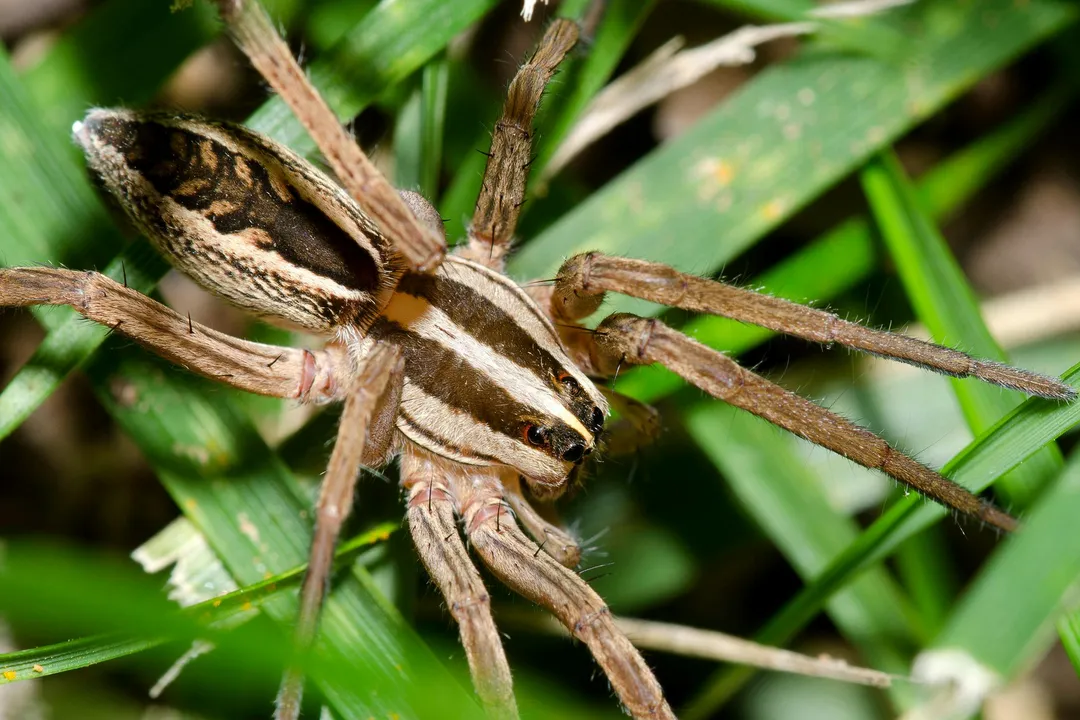
The instinctive reaction when an eight-legged creature darts across the floor is often immediate defense, and for many, that defense involves bringing down whatever is nearest—a shoe, a rolled-up magazine, or a flat hand. When that creature happens to be a wolf spider, this reaction is understandable given their often imposing appearance, but it is also one you should actively try to avoid. These ground-dwelling hunters, known for their speed and the distinct pattern of their eyes, are actually quite beneficial to have around, meaning their immediate demise is often a loss rather than a victory in the battle against household pests. [7]
# Size Misperception

Wolf spiders are often large and fast, qualities that can trigger an ancient fear response in humans. [4] Their robust bodies and hairy legs contribute to their sometimes intimidating profile, leading many people to assume they pose a serious threat simply because of their size or quick movements. Despite this scary exterior, wolf spiders are generally considered harmless to people. [1] They are not typically aggressive, preferring to run away rather than engage when encountered in the open. [9] This preference for flight over fight is a key distinction when comparing them to spiders known for defensive biting when cornered.
# Active Hunters
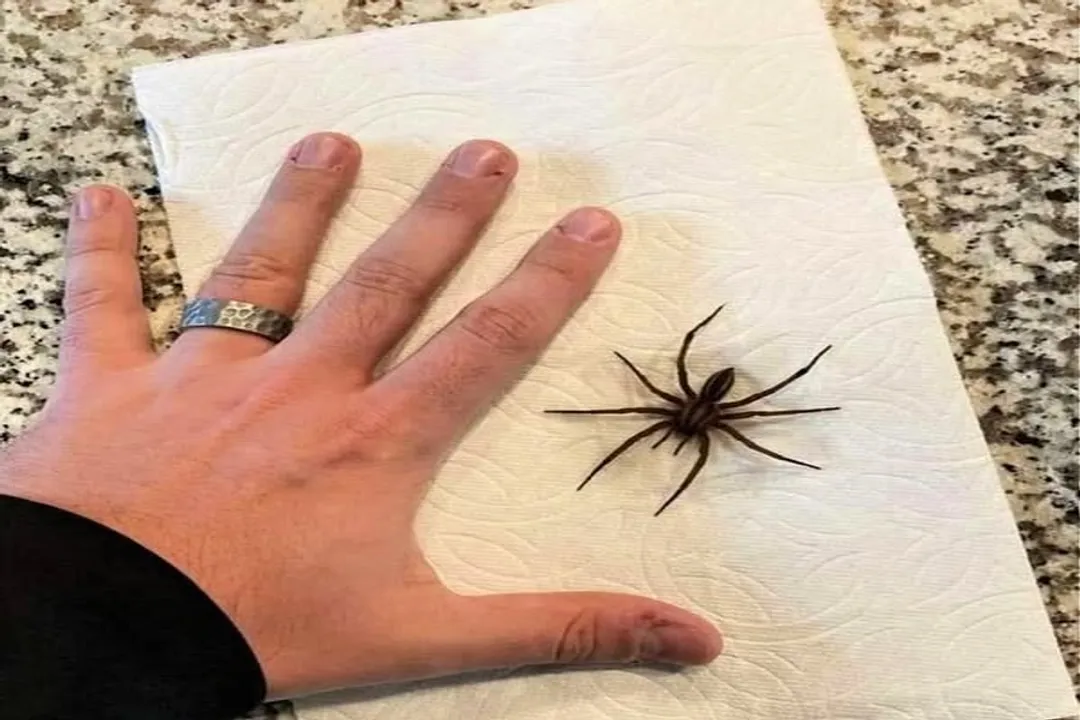
Unlike many spiders that wait patiently in a constructed web for an insect to blunder in, wolf spiders are active pursuers. [9] They stalk their prey on the ground during the day or night. This behavior means they are constantly patrolling your garden, porch, and sometimes the interior of your home, actively reducing populations of common household and garden pests. In areas where certain insect populations are high, this natural predation is a significant benefit. For instance, just in Texas, there are approximately 64 documented species of wolf spiders, [6] all playing similar roles in local insect management.
When you eliminate a wolf spider, you are not just removing one creature; you are removing a small, localized pest control agent. Think of it this way: if you have a few flies or silverfish in your basement, the presence of a wolf spider is essentially having a dedicated, non-chemical guard on duty 24/7. Once squished, that guard service is terminated, and you might notice a slight uptick in the very insects the spider was keeping in check. [7]

# Venom Status
It is true that wolf spiders possess venom, as do nearly all spiders, which they use to subdue their insect prey. [3] However, their venom is generally not medically significant to humans. [9] Bites are exceedingly rare because they are not generally inclined to bite unless they feel they are being pressed, handled roughly, or trapped directly against the skin—situations that often arise when a person panics and attempts to crush them. [3] A bite, if it occurs, is often compared to a bee sting, causing localized pain, redness, and possibly minor swelling, but rarely resulting in serious medical events for most people. [9] In essence, the danger they pose through potential biting is negligible compared to the benefit they provide as predators. [1]
# The Egg Sack Consequence
Perhaps the most compelling, and often overlooked, practical reason not to crush a wolf spider involves the female’s maternal habits. Wolf spiders are known for carrying their egg sacs attached to their spinnerets at the rear of their abdomen. [9] When an egg sac is ready, the mother carefully tucks the young spiders onto her back after they hatch, carrying them around until they are large enough to fend for themselves. [9]
This unique behavior creates a disaster scenario when the mother is squashed. While the intent is to stop one spider, crushing a pregnant or mother-carrying female results in the immediate release of those eggs or the swarm of newly hatched spiderlings directly into the area where the squashing occurred—often inside your living space. [7] A single, quick, panicked smash intended to solve a spider problem can instantly transform into a much larger, albeit tiny, spider problem as dozens of small, independent spiders scatter across the floor or rug. This outcome is rarely what the person intended and often necessitates a larger cleanup effort than simply capturing the original spider would have required. [7]
# Safe Alternatives
Given that the wolf spider is non-threatening, not typically aggressive, and serves a beneficial ecological role, the superior course of action is relocation. If you find one inside and do not want it indoors, removing it is simple and humane. The standard, effective method involves using a clear cup or glass and a stiff piece of paper or thin cardboard. [7]
- Cover: Gently place the cup over the spider, ensuring the rim is flush against the surface.
- Slide: Carefully slide the stiff paper underneath the opening of the cup, trapping the spider inside the container.
- Transport: Keep the paper held firmly against the opening and carry the captured spider outside.
- Release: Place the cup down, remove the paper, and allow the spider to walk away into a garden bed or wooded area where it can continue its pest control duties away from your doorway. [7]
This method avoids the mess, eliminates the risk of accidental egg dispersal, and respects the animal's place in the local environment. If you are squeamish about getting close, a long-handled dustpan or even a gentle vacuum hose (if the vacuum bag is immediately emptied outdoors) can sometimes be used for distance, though the cup-and-paper method offers the most control over the final release location.
# Understanding Behavior
When you observe a wolf spider, noticing its behavior can help reinforce the decision not to harm it. They often stand with their legs slightly bent, giving them a ready-to-pounce posture, which is part of their hunting strategy, not an aggressive display toward you. [9] They rely heavily on vibrations sensed through their legs to locate prey or sense approaching threats. They are generally not interested in climbing walls or hanging from ceilings; they prefer the solid ground of the floor or ground cover. [9] Recognizing these habits means that if you see one on the floor, it is simply passing through or hunting nearby insects, not stalking you. Choosing not to squish them isn't just about being kind; it's about making an informed decision based on the actual, low-risk nature of the creature versus the tangible, potentially messy, consequence of a panic reaction.
Related Questions
#Citations
Wolf spiders might look scary, but don't squish them! They're ...
We just squashed a wolf spider in a moment of panic ... - Reddit
What Are Wolf Spiders & Are They Dangerous | Hawx Pest Control
Why You Shouldn't Squish The Wolf Spider? - YouTube
Should you squish spiders? - Quora
Please Don't Squish the Wolf Spider! - Texas Monthly
Don't Squash That Wolf Spider! | Delta Pest Control Inc.
Wolf Spiders: A Comprehensive Guide To Control And Prevention