What is the purpose of comparing molecular phylogenies with paleoclimatic records?
Answer
To test hypotheses about environmental forcing driving diversification.
Molecular phylogenies map out the branching history and timing of diversification events among water beetle families. By overlaying this evolutionary timeline onto established paleoclimatic records (data detailing past global temperatures, humidity, and aridity), researchers can test correlations. If a major diversification event aligns with a known period of widespread warming and expansion of specific water body types, it provides evidence supporting the hypothesis that climate actively shaped the evolution and adaptation of these insect lineages by altering their available habitats.
Related Questions
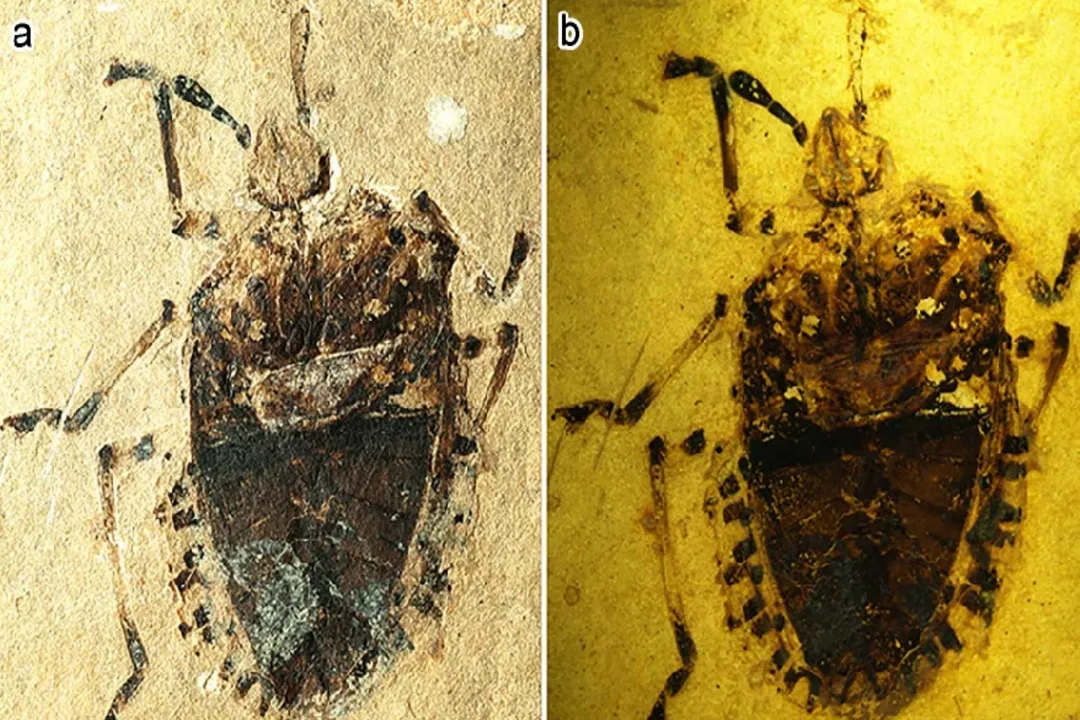
What geological age does the fossil specimen *Zekuforma maculata* date back to?How do Diving Beetles (Dytiscidae) manage underwater oxygen acquisition?What is the function of the dorsal, upper portion of the Whirligig beetle's highly divided eye?What major theme does molecular data confirm regarding the evolution of the aquatic lifestyle in beetles?What implication does the 230-million-year-old *Zekuforma maculata* fossil have for evolutionary timelines?What specific role does environmental turnover play in rapid speciation events for water beetle lineages?What strategy do Whirligig beetles (*Gyrinidae*) use to access atmospheric oxygen while submerged?What is the purpose of comparing molecular phylogenies with paleoclimatic records?What concept explains why unrelated water beetle groups might evolve streamlined bodies?What dating technique estimates the timing of evolutionary splits between major modern water beetle groups?