Water Beetle Diet
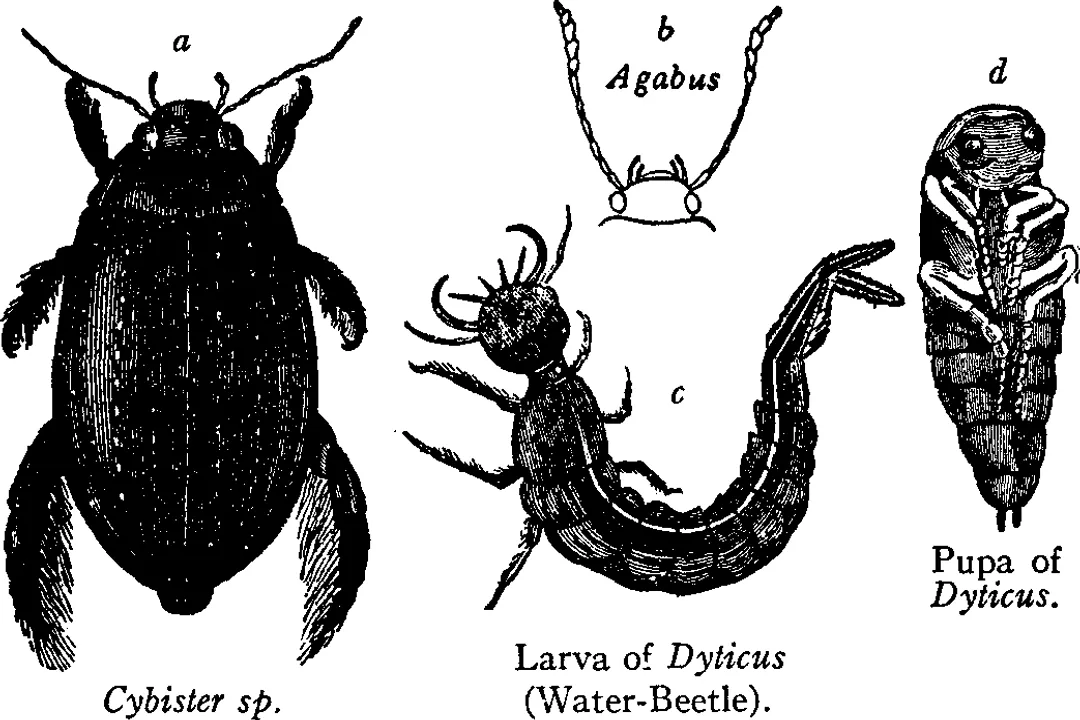
The array of insects we group under the umbrella term "water beetle" showcases a fascinating spectrum of feeding habits, ranging from dedicated, relentless hunters to essential aquatic recyclers. Understanding what these creatures consume is key to appreciating their place in freshwater ecosystems, whether they are darting beneath the surface of a pond or residing in a carefully managed aquarium. While all are aquatic to some degree, their menus vary significantly depending on the specific family they belong to, most notably the distinction between the strictly predatory diving beetles and the more omnivorous scavenger types. [6]
# Predator Roles
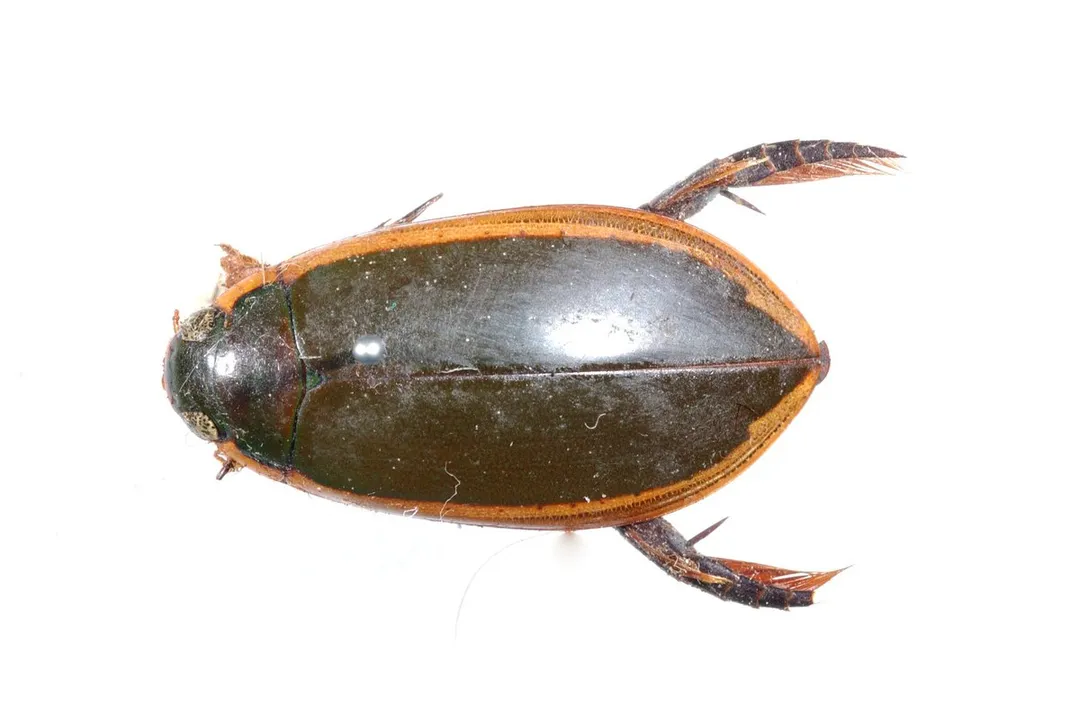
The diving beetles, such as the Predaceous Diving Beetle (Dytiscus species are often referenced), are perhaps the most recognized for their aggressive feeding style. [2] These beetles, in both their adult and larval stages, are carnivores, making them significant consumers of smaller aquatic life. [8]
The adult diving beetle’s diet is broad, reflecting opportunistic feeding in the water column. They readily consume aquatic insects, but their appetite extends to larger fare when available, including snails, small fish, and tadpoles. [1][2][7][8] They are equipped to handle prey often larger than themselves, making them formidable hunters in their habitat. [2]
# Larval Voracity
However, the real gluttons in the diving beetle lineage are often the larvae, commonly known as "water tigers". [2] These aquatic forms are voracious predators, a term used repeatedly to describe their intensity. [2][4] Their hunting strategy targets similar prey to the adults—insect larvae, small fish, and tadpoles—but often with a more focused, aggressive drive necessary for growth. [4][5] A key difference emerges when considering the sheer biomass consumed relative to body size during these early developmental stages; the larval stage represents a period of intense energy acquisition, which is biologically necessary to fuel the subsequent transformation into an adult. [2] This sharp contrast in feeding intensity between the established adult and the rapidly growing larva provides an excellent case study in life-history strategy, where one life stage (the larva) is solely dedicated to maximum caloric intake, while the adult balances hunting with reproductive activities. [2][4]
# Scavenger Diets
Shifting focus from the active predators, another major group, exemplified by the Giant Water Scavenger Beetle (often Hydrophilus species), operates on a different nutritional strategy. These beetles are generally classified as omnivores or scavengers, heavily relying on detritus and decaying matter in addition to living organisms. [6]
The Giant Water Scavenger Beetle’s adult diet centers on scavenging dead and decaying organic material found in the water. [1][5] This detrital feeding behavior positions them as vital components in the nutrient cycling process, effectively cleaning up the aquatic environment. [6] They are not entirely reliant on carrion, however; their intake also includes small aquatic animals and plant material. [1][5] This mixed feeding habit means that a single Giant Water Scavenger Beetle can impact the aquatic environment both by consuming weak or dying organisms and by breaking down dead biomass. [5]
The larval form of the scavenger beetle shows a slightly more predatory inclination than its adult counterpart, focusing on consuming small aquatic insects and their larvae. [5] While still less exclusively carnivorous than the diving beetle larva, the scavenger larva still contributes to controlling smaller invertebrate populations. [5]
# Dietary Comparisons
To better understand the feeding roles these beetles play, it helps to view their primary food sources side-by-side. While individual species will always have local preferences, the general division of labor is quite clear between the two main groups mentioned:
| Beetle Group | Primary Feeding Mode | Typical Prey/Food Sources | Role in Ecosystem |
|---|---|---|---|
| Diving Beetles (e.g., Dytiscus) | Obligate Carnivore | Insects, snails, small fish, tadpoles [1][7] | Apex/Mid-level Predator |
| Water Scavenger Beetles (e.g., Hydrophilus) | Omnivore/Scavenger | Decaying matter, dead insects, small animals, plants [5][6] | Decomposer/Secondary Consumer |
When observing a natural pond, the presence of both types suggests a balanced system where predation pressure is maintained by the divers, while decomposition and nutrient release are managed by the scavengers. [6] It is interesting to note that the pure predatory strategy adopted by the diving beetles requires a constant input of mobile prey, whereas the scavenger strategy is more resilient to periods where live food might be scarce, relying instead on detritus accumulation. [1][5]
# Captive Care Considerations
For those interested in keeping these fascinating insects outside of their natural habitat, like in a classroom setting or a home terrarium, their diets become a critical management concern. [3] The requirements of a predator like a diving beetle differ significantly from those needed for a scavenger. [3][5]
For a captive diving beetle, the diet must be based on live or freshly killed animal protein. Common suggestions include earthworms, bloodworms, small feeder fish like guppies, insect larvae, or snails. [3] A key piece of advice for keepers is recognizing the beetle’s predatory capacity: if it fits in their mouth, it will likely be eaten, meaning tank mates must be chosen carefully to avoid becoming food. [3] If a hobbyist is attempting to maintain a purely predatory species, relying solely on sinking processed food pellets intended for fish might not provide the necessary nutrition or the necessary behavioral stimulation that hunting provides.
Conversely, if housing a Giant Water Scavenger Beetle, the care requirements are slightly less demanding in terms of live prey requirements, though a varied diet remains best practice. [5] Providing sinking pellets, small pieces of dead aquatic insects, and perhaps some soft aquatic vegetation can mimic their natural omnivorous intake. [5][6] An actionable tip for those managing a mixed community tank housing these beetles is to periodically supplement the water column with sinking, protein-rich material intended for bottom feeders, which directly caters to the scavenger's primary need for decaying organic matter, ensuring they fulfill their cleaning role without needing to rely entirely on consuming the larger, live inhabitants. [5]
Ultimately, whether an aquatic beetle is a pure hunter consuming mobile prey like Dytiscus or an omnivorous recycler like Hydrophilus, their role in aquatic health is undeniable. Their feeding habits dictate population dynamics, water clarity, and the speed at which organic material returns to the nutrient cycle. [6]
Related Questions
#Citations
Water beetle
Predaceous Diving Beetle | Audubon Insectarium
diving beetle found - care tips? see comments for more info
Diving Beetle life cycle
Colorado Insect of Interest - Giant Water Scavenger Beetle
Wildlife Profiles: Water Beetles Monitoring & Research
Predaceous Diving Beetles as Pets and the Self-Cleaning ...
Water Beetles—Order Coleoptera