Water Beetle Scientific Classification
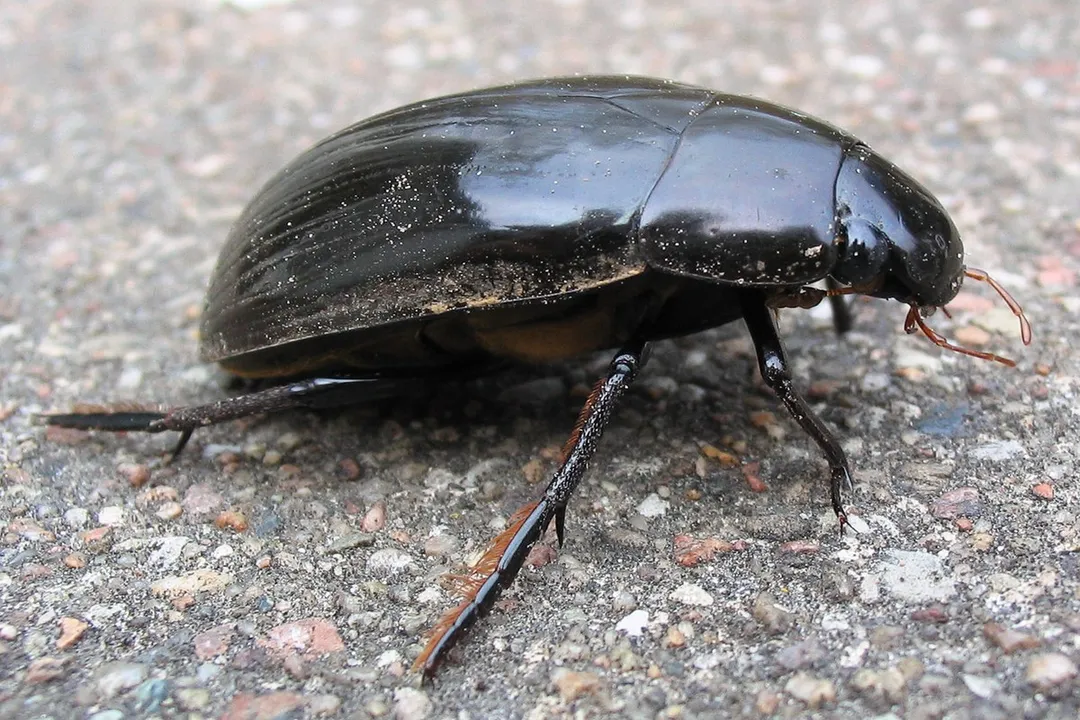
Water beetles, those fascinating insects navigating ponds, streams, and wetlands, represent a surprisingly diverse group when we move from common observation to formal scientific description. Though the term "water beetle" is used casually, it actually spans multiple families within the immense insect Order Coleoptera. [2][7][10] Understanding their scientific classification is essential to appreciating their varied life histories, from the air-breathing adults to their often predatory aquatic larvae. [1][2] The classification system, moving from the broadest grouping down to specific species, helps scientists organize and study these complex arthropods based on shared evolutionary history and distinct physical traits. [9]
# Order Grouping
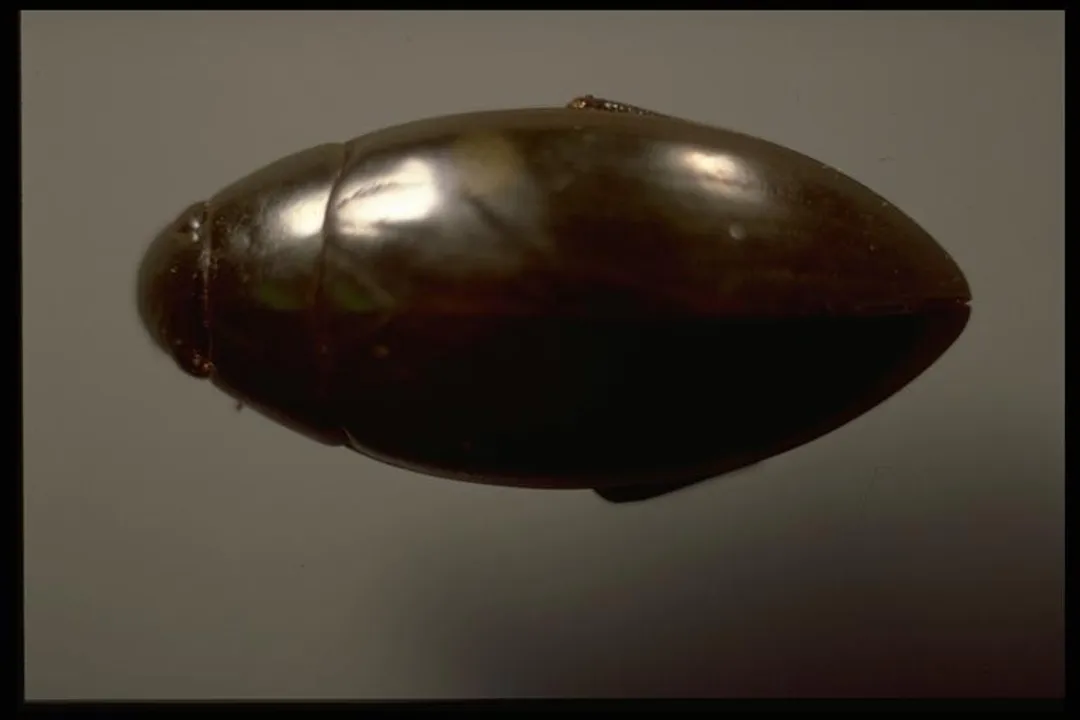
The foundational classification for all water beetles starts at the Order level: Coleoptera, which encompasses all beetles. [2][7][10] This massive order is characterized by its defining feature: hardened forewings, known as elytra, that meet in a straight line down the back, serving to protect the delicate hindwings used for flight. [2][7] Within Coleoptera, many families have independently evolved adaptations allowing them to live, at least partially, in aquatic environments, a phenomenon known as convergent evolution of lifestyle. [1] This means that while many beetles live in water, their classification shows they aren't all close relatives just because they share a habitat.
# Key Family Hydrophilidae
The most commonly referenced group when discussing true aquatic beetles, particularly those that scavenge, belongs to the family Hydrophilidae, often called the water scavenger beetles. [1][3][5][6][9] This family is part of the suborder Polyphaga, a very large division of beetles. [9] While there are other families of aquatic beetles, such as Dytiscidae (diving beetles) and Gyrinidae (whirligig beetles), the Hydrophilidae family is particularly well-studied for its ecological roles, especially concerning decomposition. [1][5]
# Hierarchy Placement
The scientific hierarchy places the water scavenger beetles specifically as follows, tracing down from the broad group:
- Kingdom: Animalia [1]
- Phylum: Arthropoda [1]
- Class: Insecta [1]
- Order: Coleoptera [1][9]
- Suborder: Polyphaga [9]
- Family: Hydrophilidae [1][3][5]
It is worth noting that while the sources predominantly focus on Hydrophilidae, other beetle groups like the Staphylinidae also contain aquatic members, highlighting that "water beetle" is a functional description, not a single taxonomic unit. [10] The Hydrophilidae family itself is quite large, containing numerous genera and species worldwide. [1][4]
# Morphology Distinctions
Distinguishing Hydrophilidae from other aquatic beetles often comes down to examining key morphological features, especially the antennae. [1][3][5] A key characteristic for the adults in this family is their relatively short, often clubbed antennae, which typically have 11 segments. [1][3][9] This contrasts sharply with predaceous diving beetles (Dytiscidae), which possess thread-like antennae. [1] Furthermore, the shape of the maxillary palps—paired appendages near the mouth—can be very long in Hydrophilidae, sometimes leading to confusion with true bugs, but the presence of hardened elytra immediately confirms them as beetles. [1][5]
Adult water scavenger beetles are typically convex and oval in shape, often appearing black, dark brown, or sometimes testaceous (brick-red or brownish-yellow). [3][6][9] Their legs are often adapted for swimming, though some species are better walkers. [1] A fascinating adaptation involves their respiratory system: most Hydrophilidae carry a bubble of air underneath their elytra, held in place by specialized hydrofuge hairs, allowing them to remain submerged for extended periods. [1][6] This physical structure is vital for their aquatic existence, effectively acting as a temporary physical gill when submerged near the surface. [1]
# Life Stages
The life cycle, common to many beetles, involves complete metamorphosis: egg, larva, pupa, and adult. [2] However, the feeding habits often differ dramatically between the larval and adult stages within Hydrophilidae, which is a significant ecological point. [1][5]
Adult Hydrophilids are generally scavengers or detritivores, feeding on decaying vegetable matter and organic debris in the water or mud. [1][5][6] This feeding style makes them important recyclers in their freshwater ecosystems. [5] In contrast, the larvae are almost universally predators. [1][5] These larvae are often elongated, sometimes possessing sharp mandibles to capture smaller invertebrates, such as mosquito larvae, worms, or small crustaceans. [1][5] This dietary dichotomy means that a single beetle population can exert different types of ecological control—as recyclers in the adult stage and as predators in the juvenile stage.
# Classification Specificity
Moving further down the classification tree reveals specific examples and variations within the family. The genus Hydrophilus contains some of the largest species, including the magnificent Hydrophilus piceus, sometimes referred to as the great black water beetle. [4] H. piceus is notable for its substantial size, reaching lengths of up to 43 mm, and it is widespread across Eurasia. [4] Its larvae are particularly voracious, and adults, while primarily feeding on detritus, may occasionally consume vegetation. [4]
When examining regional keys, such as those used for benthic monitoring in states like Montana or West Virginia, the classification criteria become highly focused on minute details. [3][10] For instance, identification keys often rely on:
- The number of antennal segments and the structure of the antennal club. [9]
- The presence or absence of spines on the legs. [3]
- The shape and venation patterns of the elytra, though this is generally less diagnostic than antennal structure for this family. [9]
For researchers cataloging freshwater macroinvertebrates, distinguishing between families like Hydrophilidae and the related Spercheidae often requires examining the tarsal formula (the number of segments on the foot) or the structure of the underside of the beetle, which isn't always visible in field collections. [5]
# Field Observation Insight
For the dedicated naturalist observing these insects in the field, understanding the implications of their air bubble is practically useful. When you observe a Hydrophilid swimming, it often moves with a jerky, somewhat clumsy motion compared to the elegant darting of a diving beetle. [1] If the beetle surfaces and seems to hover, maintaining a slightly elevated position under the water surface film, it is likely actively recharging its air supply beneath its elytra. [6] Contrast this behavior with a whirligig beetle (Gyrinidae), which skates frantically on the surface film, creating two distinct V-shaped wakes. [1] Observing the manner of surfacing and swimming—clumsy vs. graceful, surface-skating vs. submerged hovering—provides a quick, albeit non-scientific, way to sort the common aquatic beetle groups present in a pond. [1]
# Subfamily Variations
Within the Hydrophilidae family, there are several recognized subfamilies, such as Hydrophilinae, Sphaeridiinae, and Helophorinae, though not all sources detail these divisions. [1] The physical variations can be subtle. For example, some groups, like the genus Helophorus, possess a distinct, often heavily sculptured or punctured pronotum (the plate behind the head). [1] Furthermore, habitat preference can sometimes correlate loosely with the subfamily. While many are found in stagnant, weedy waters, others prefer cleaner, flowing streams, showing that this classification captures more than just superficial appearance—it captures differing environmental tolerances. [3]
If you are attempting to key out a specimen collected from a moderately flowing, cooler stream in a temperate region, your odds of finding a member of the Sphaeridiinae or a similar smaller, less streamlined group increase compared to finding a large Hydrophilus species, which typically thrives in warmer, nutrient-rich ponds. [3][6] This geographical and environmental context, built upon the foundational taxonomy, adds another layer of predictive power to classification.
# Larval Morphology
The larvae provide an entirely different set of classification clues, as their morphology is drastically different from the adults. [1][5] Water scavenger beetle larvae are typically grub-like or caterpillar-like, possessing distinct thoracic legs, unlike the larvae of some other aquatic beetles which may be legless. [1] Many possess distinct, curved, often toothed mandibles adapted for piercing and sucking the liquefied insides of their prey. [5] Identifying the family level based on the larva often relies on the combination of these chewing mouthparts and the presence of abdominal gills or filaments, though the arrangement of these respiratory structures varies significantly across the subfamilies and genera. [1]
In summary, the scientific classification of water beetles centers around placing them within the Order Coleoptera, with the family Hydrophilidae representing the archetypal "water scavenger beetle" due to its distinctive antennae and the scavenger habits of its adults. [1][9] The depth of this classification system allows us to move past simple habitat description to understand the evolutionary paths that led these diverse insects to thrive beneath the water's surface. [2][10]
Related Questions
#Citations
Hydrophilidae - Wikipedia
Water beetles (order Coleoptera) - LIFE IN FRESHWATER
(Family) Crawling Water Beetles - Montana Field Guide
Family Coleoptera Hydrophilidae - Macroinvertebrates.org
Water Scavenger Beetle - Field Guide to Common Texas Insects
Water Beetle Insect Facts - Coleoptera hydrophilidae - A-Z Animals
[PDF] Wildlife Profiles: Water Beetles Monitoring & Research
Family Dryopidae - Long-toed Water Beetles - BugGuide.Net
[PDF] Aquatic Beetle Larvae and Adults (Coleoptera) 1 2