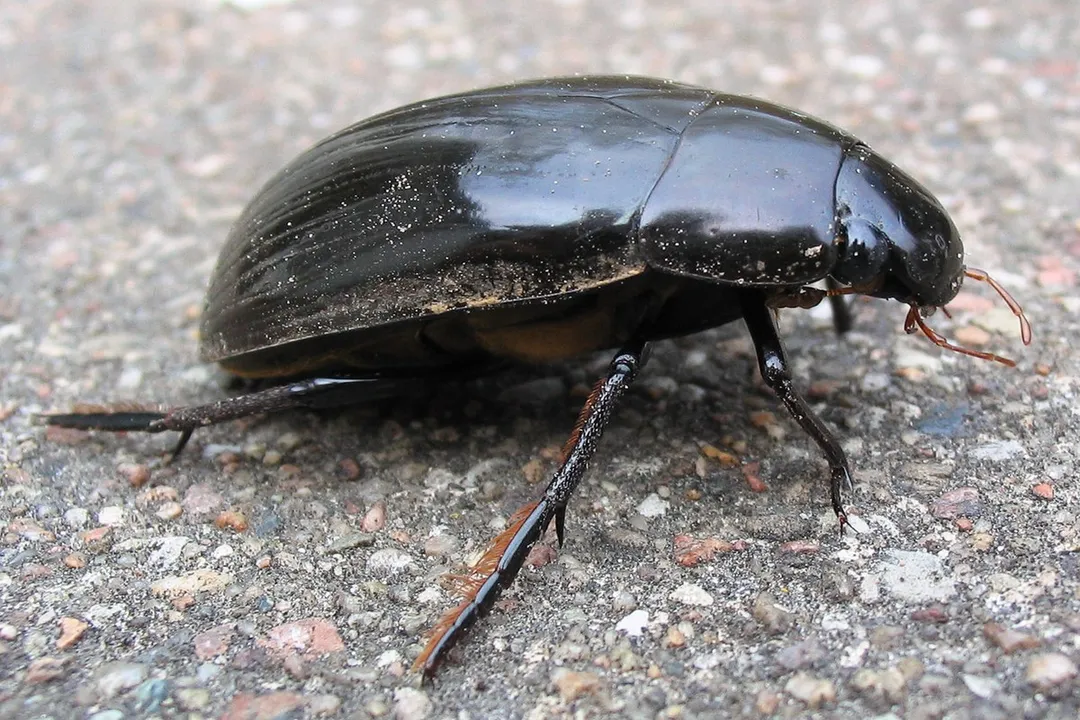
How do the feeding habits differ between Hydrophilidae larvae and adults?
The larvae are almost universally predators, while the adults function as scavengers or detritivores
A significant ecological distinction within the Hydrophilidae family lies in the dramatic shift in feeding strategy between life stages, known as dietary dichotomy. The adult water scavenger beetles are responsible for processing dead or decaying matter, acting as essential recyclers in the ecosystem. Conversely, the aquatic larvae of this family are specialized, aggressive predators. These elongated larvae actively hunt smaller invertebrates within the water, utilizing sharp, piercing and sucking mandibles to capture prey such as small crustaceans or mosquito larvae. This dual role means the population provides both predatory control over smaller organisms (larvae) and waste management (adults).