What implication does the 230-million-year-old *Zekuforma maculata* fossil have for evolutionary timelines?
Answer
It suggests early diversification lineages predated the peak rise of dinosaurs.
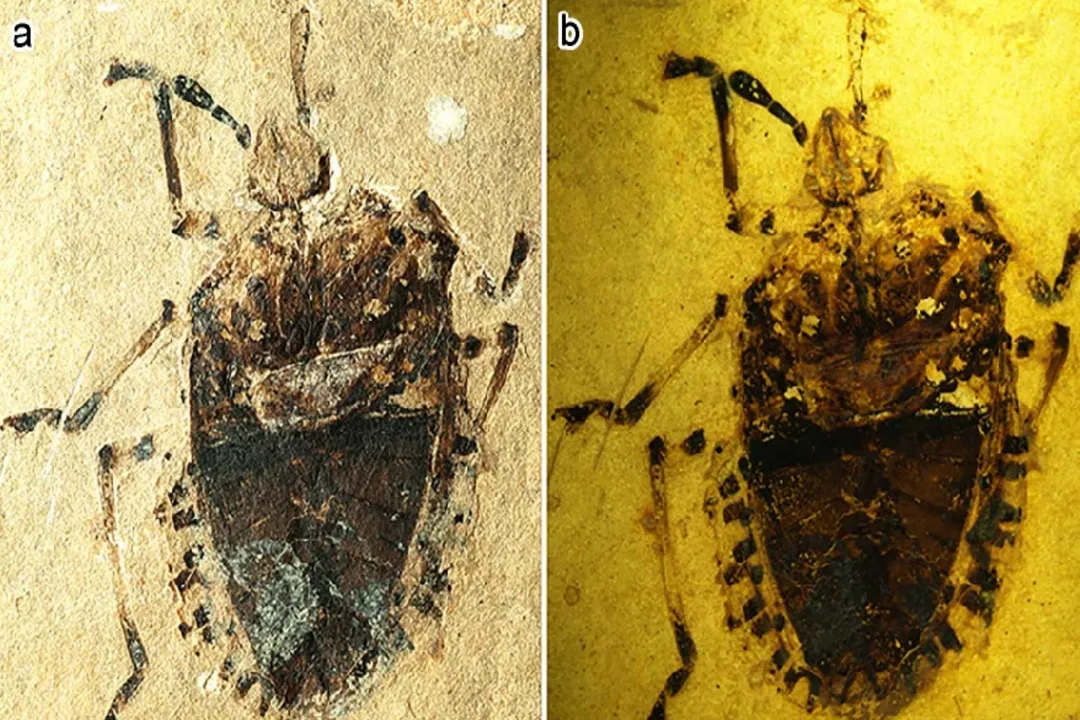
The discovery of *Zekuforma maculata* dating back to the Middle Triassic period provides a critical minimum age for the early evolutionary framework of the beetle group that would later yield aquatic forms. Because this fossil is so ancient, its existence implies that the deep ancestral lineages leading toward water beetles were already established and diversifying significantly prior to the zenith of dinosaur dominance on Earth. This pushes the potential timeline for the initial separation of these lineages much further back into the Mesozoic era than previously inferred solely from studying modern species.
Related Questions
What geological age does the fossil specimen *Zekuforma maculata* date back to?How do Diving Beetles (Dytiscidae) manage underwater oxygen acquisition?What is the function of the dorsal, upper portion of the Whirligig beetle's highly divided eye?What major theme does molecular data confirm regarding the evolution of the aquatic lifestyle in beetles?What implication does the 230-million-year-old *Zekuforma maculata* fossil have for evolutionary timelines?What specific role does environmental turnover play in rapid speciation events for water beetle lineages?What strategy do Whirligig beetles (*Gyrinidae*) use to access atmospheric oxygen while submerged?What is the purpose of comparing molecular phylogenies with paleoclimatic records?What concept explains why unrelated water beetle groups might evolve streamlined bodies?What dating technique estimates the timing of evolutionary splits between major modern water beetle groups?