What attracts figeater beetles?
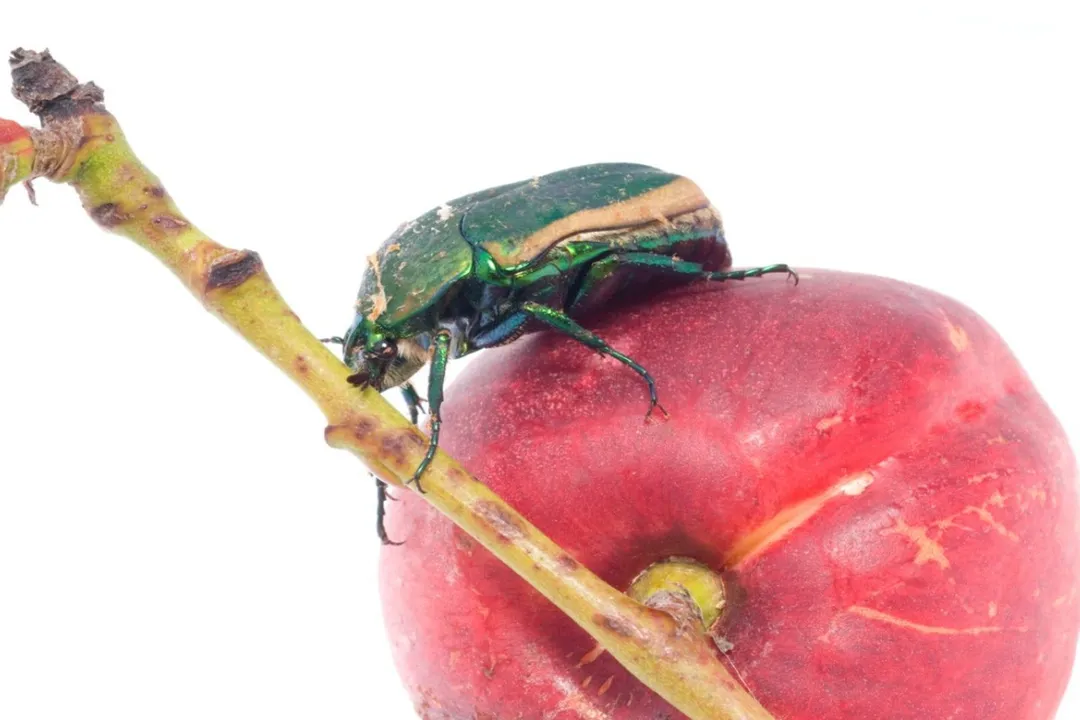
Green Fruit Beetles, often called Figeaters or Green June Beetles depending on the specific species like Cotinis mutabilis or Cotinis nitida, make their presence known in warm weather primarily due to their attraction to certain scents and food sources. [1] Understanding what draws these somewhat clumsy fliers to a garden or orchard is key to managing their impact on ripening crops. [4] The primary attractant for the adult beetles is unmistakable: sweet, fermenting, or overripe fruit. [1][2]
# Scent Signals
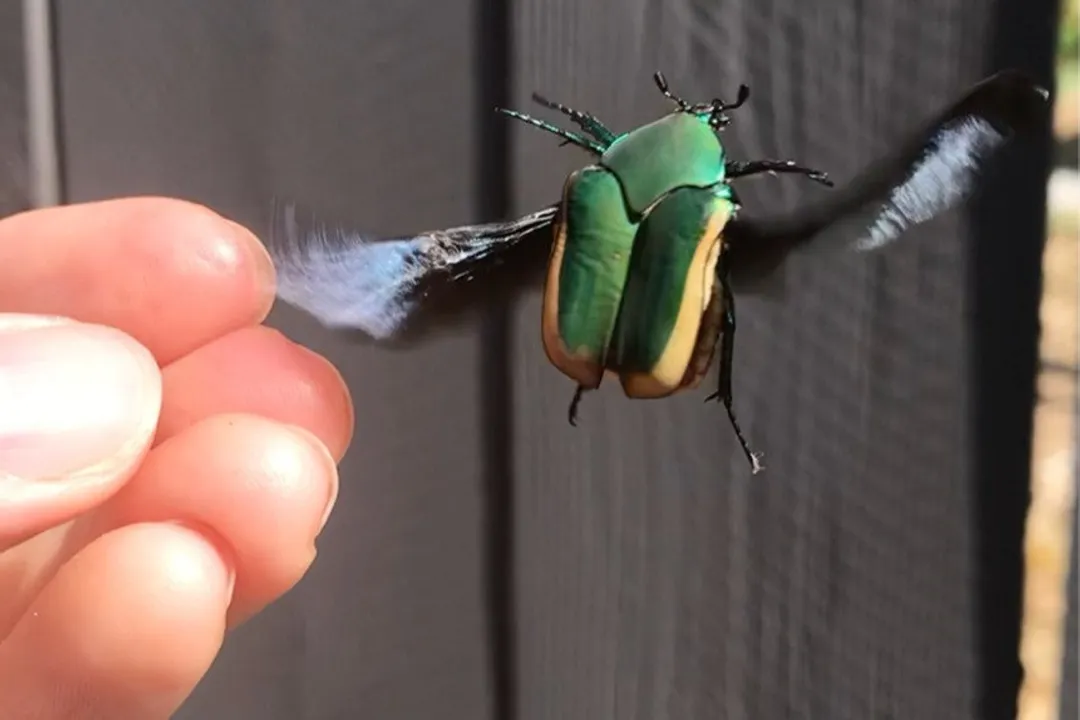
The adult beetle is highly responsive to the olfactory cues associated with advanced fruit decay. [4][5] While a perfectly firm, healthy peach or fig might go untouched, the moment a fruit begins to soften, sustain minor damage, or drop to the ground, it broadcasts a signal that these beetles cannot ignore. [4][9] They are not interested in green, unripe produce; their target is food that is already breaking down and offering up its sugary interior. [6]
The list of favored targets is extensive, covering many popular summer and early fall harvests. Gardeners in affected regions frequently report significant damage to peaches, apricots, plums, figs, and grapes. [2] Even vegetables that sweeten significantly upon ripening, such as tomatoes, become targets once they reach peak ripeness or start to spoil. [7] The attraction isn't simply the presence of sugar, but rather the chemical signature of breakdown. [4]
This attraction is particularly strong when fermentation begins to take hold. The beetles seem to key in on the production of alcohol and vinegar. [5] This is a crucial distinction; it means they are drawn not just to the natural sugars present in the fruit, but to the specific volatile organic compounds released as yeast and bacteria convert those sugars into ethanol and acetic acid. [5] It is interesting to note that while fresh, undamaged fruit has sugar, it is the volatile organic compounds produced during the early stages of microbial breakdown that act as the primary beacon, essentially signaling an easy, pre-softened meal ready for consumption.
# Larval Environment
The attraction for the immature stage of the beetle, the white grub, is completely different from the adult's preference for orchard fruit. [1] Larvae are soil-dwelling organisms with a need for plentiful organic material to sustain their development. [6] They are drawn to soil rich in decaying wood, compost, decaying grass roots, and general organic matter. [1][2][7] Therefore, an area that seems ideal for the grubs—such as a yard heavily amended with wood chips or a well-established compost heap—might later become the source of the adult infestation. [7] When looking for the source of a sudden swarm of Figeaters, checking the health and composition of the soil beneath nearby trees or in garden beds can reveal where the previous generation developed. [2]
# Seasonal Emergence
The timing of the attraction is intrinsically linked to the life cycle of the beetle and the local climate. [8] Adult Green Fruit Beetles generally emerge from the soil once summer temperatures are reliably warm. [8] This emergence often coincides precisely with the ripening period for many susceptible fruit crops. [8] In areas like Southern California, their appearance is a distinct marker of the mid-to-late summer season. [8] If soft, fallen fruit is present when they emerge, the concentration of feeding activity increases rapidly as more individuals find the resource.
# Trapping Cues
The understanding that fermentation is the key attractant has led to the development of specific control methods centered on misdirection. [5] Since they seek out the smell of alcohol and vinegar, simple traps can be created using these compounds to monitor populations or reduce local numbers. [5] A common recommendation involves combining apple cider vinegar with sugar or yeast to rapidly initiate the fermentation process and amplify the scent signal. [5]
While these traps certainly lure beetles, their effectiveness for large-scale control is debated, as the primary attraction remains the massive resource presented by a bearing tree. [9] For gardeners facing minor issues, placing sacrificial, heavily bruised fruit far from prized crops can act as a diversion; however, if the population is dense, this might simply draw more beetles into the vicinity, so it requires careful placement away from sensitive areas. A single, damaged peach left under a tree may be the initial lure, but if the population is large, they will quickly move from the fallen piece to the fruit still hanging on the branch that is beginning to soften. [9][2]
# Summary of Key Attractions
To summarize the primary lures that bring these beetles into proximity with gardens and orchards, we can look at the distinct needs of the two life stages:
| Stage | Primary Attraction/Need | Location |
|---|---|---|
| Adult | Sweet, fermenting, damaged fruit (sugar, ethanol) | Surface, trees, fallen produce [1][5] |
| Larva | Decaying organic matter (wood, compost, roots) | Subsurface soil layer [2][7] |
The overlap occurs when adults lay eggs in soil that is rich in the organic material the subsequent generation needs, creating a local cycle of attraction and infestation. [6] A garden environment that supports robust compost or heavy, woody mulch is therefore attractive to both life stages, albeit for vastly different reasons. [1][7]
Related Questions
#Citations
Figeater beetle
Green fruit beetle
Managing fig beetles in the garden
Fig Beetles: Bumbling Pilots of the Garden
So my friend saw what I think is a figeater beetle and I want ...
Fig Beetle Facts – Control Of Fig Beetles In The Garden
Green Fruit Beetles - UA Cooperative Extension
THE NEW BUG MAN: Green Fruit Beetles - A Sign Of SD ...
Whack! Another Fig Beetle Lands in the Garden - The Mulch