What is the maximum potential lifespan observed in protected environments versus the wild average?
Protected environments allow ages of 45 to 55 years, significantly longer than the wild average of around 30 years.
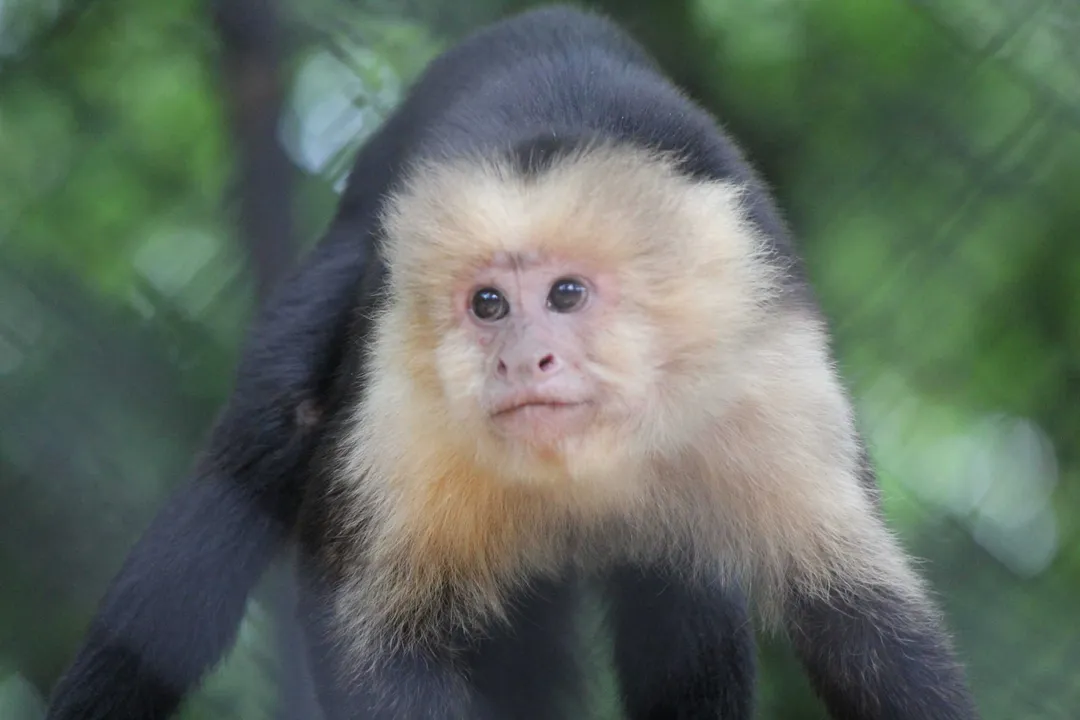
There is a pronounced difference in longevity between the life of a White-Faced Capuchin in its natural habitat compared to a controlled, protected environment. In the wild, the typical lifespan is frequently cited as averaging around 30 years, with one specific observation suggesting a narrower range between 16 and 20 years. However, when provided with the resources and protection of a managed setting, their lifespan potential increases considerably. In these environments, individuals can commonly survive to ages ranging from 45 up to 55 years. This disparity reflects the survival pressures, resource scarcity, environmental hazards, and increased vulnerability to internal parasites that shorten the lifespan of wild populations.