White Ferret / Albino Ferrets Physical Characteristics

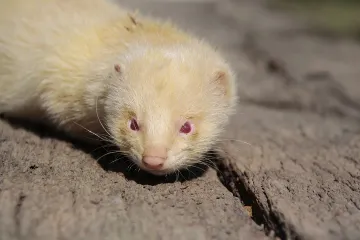
The appearance of a white ferret is immediately striking, defined almost entirely by the complete absence of melanin, the pigment responsible for color in most mammals. [2][3] These animals are correctly identified as albino ferrets, distinguished by their snow-white coat and characteristic eye coloration. [1][8] While other ferrets display a spectrum of colors ranging from sable to silver or even patterned markings, the albino represents the purest expression of unpigmented genetics in this species. [6]
# Eye Pigmentation
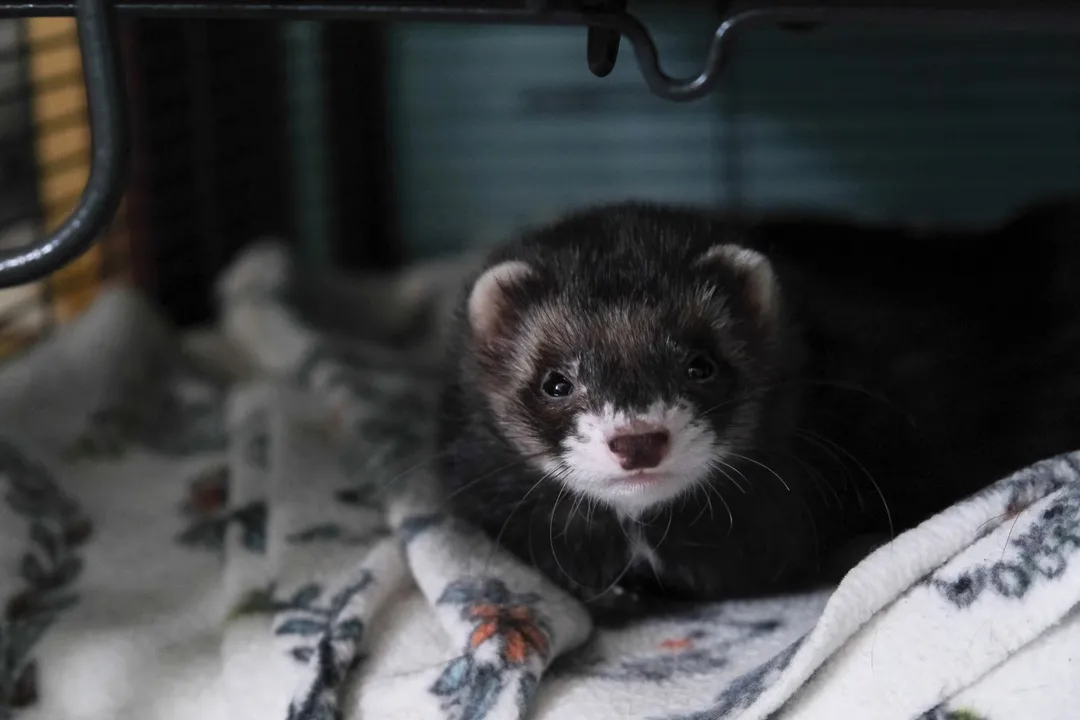
The most definitive physical marker for an albino ferret is its eyes. [3] Unlike ferrets that may have white fur but dark eyes (sometimes called "full whites" or "white mitters" depending on the pattern registry), a true albino lacks pigment across its entire body, including the iris. [6] This results in eyes that appear pink or ruby red. [1][2]
This coloration isn't actually the pigment itself; rather, it is the visibility of the blood vessels within the eye structure. [2] When light reflects off these vessels, the eyes can sometimes appear red, giving rise to the term "red-eyed white" in some color descriptions. [6] In certain lighting conditions, the eyes might seem darker, perhaps a deep pink or even almost black, which can sometimes cause confusion if an owner isn't aware of the genetic basis. [1] However, the defining trait is always the lack of dark pigment showing through the iris. [2]
When observing an albino ferret in bright light, you may notice that they squint or seem uncomfortable; this is a direct physical consequence of their eye structure. [2] Because the iris lacks the protective dark pigment, more light penetrates the eye than it would in a normally pigmented ferret. [2] If you keep an albino ferret, understanding that their sensitivity is an inherent physical characteristic—not a behavioral choice—is crucial for providing a comfortable environment. For instance, while many owners keep ferrets exclusively indoors, albino ferrets require meticulous management even near sunny windows, perhaps warranting the use of UV-filtering film on glass panes that receive direct afternoon light, as this constant, low-grade exposure compounds their natural vulnerability.
# Coat Coloration

The coat of the albino ferret is uniformly white. [1][3] There should be no banding, shading, or darker guard hairs visible anywhere on the body, tail, or paws. [2] This purity distinguishes them from other light-colored ferrets, such as true silvers or even dark-eyed whites where the body is white but the eyes are dark. [6] The complete absence of melanin means there is no potential for the dark pigment to manifest in any part of the fur. [1]
When these kits (baby ferrets) are born, they are already white, though their tiny features might be harder to distinguish before their eyes open. [3] The fur texture itself is generally the same as any other ferret coat: dense, thick, and designed to keep them warm, usually consisting of both an undercoat and longer guard hairs. [2]
It is important to recognize that this stark white is a genetic marker for albinism, which is distinct from other white manifestations in ferrets. For example, a ferret bred for a "white" pattern might still have small specks of color on their face or tail, or they might carry the genetics for the "marked" or "banded" look but express primarily white. [6] The albino, however, is genetically incapable of producing any dark pigment, resulting in a consistent, singular white appearance across the pelage. [2]
# Body Structure Similarities
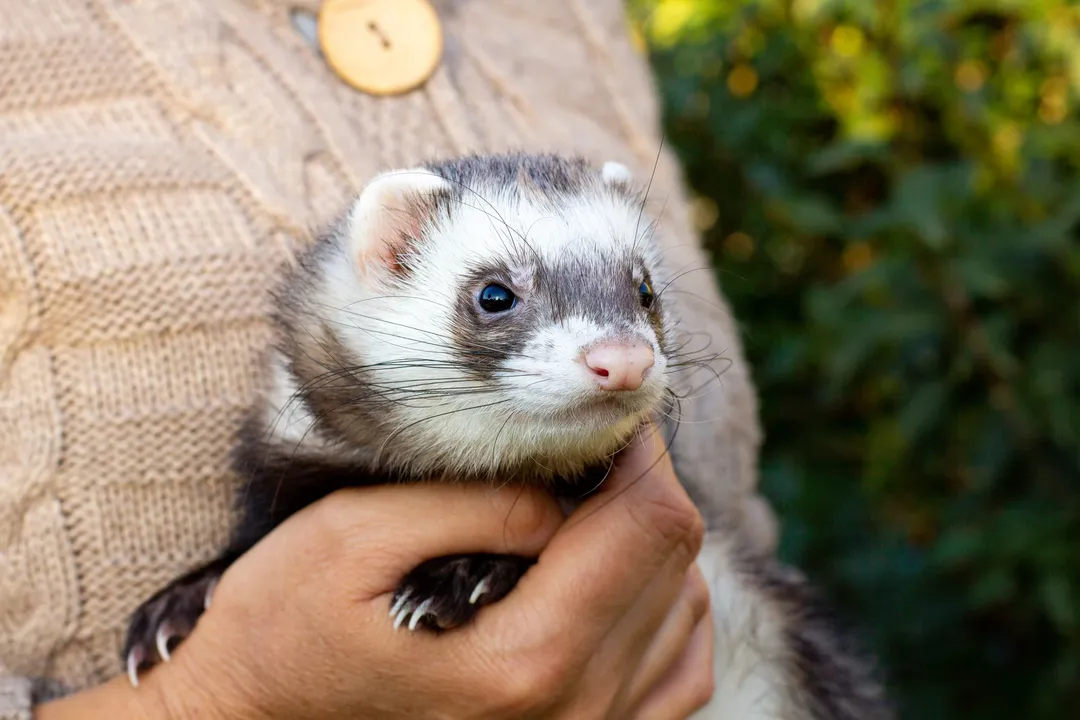
Physically, aside from the lack of pigment, an albino ferret shares the standard build of its species. [1] Ferrets, known for their long, slender, and flexible bodies, possess a shape perfectly adapted for their ancestral role as hunters that pursue prey through narrow tunnels. [2]
Typical physical measurements are consistent regardless of color. Adult males, often called hobs, are generally larger and heavier than females, known as jills. [2] A healthy adult male can weigh between 1.5 to 4.5 pounds, while females usually range from 0.75 to 2.5 pounds. [2] Their length, from the tip of the nose to the base of the tail, usually falls between 13 and 16 inches. [2]
Their limbs are short, and their feet have five toes. [2] The ears are typically rounded and set back slightly on the head. [1] These structural elements—the low-slung profile, the muscular neck, and the flexible spine—are conserved traits within the species, meaning an albino ferret will move, sleep, and groom just like any other color variation. [2][8]
# Health and Sensory Considerations
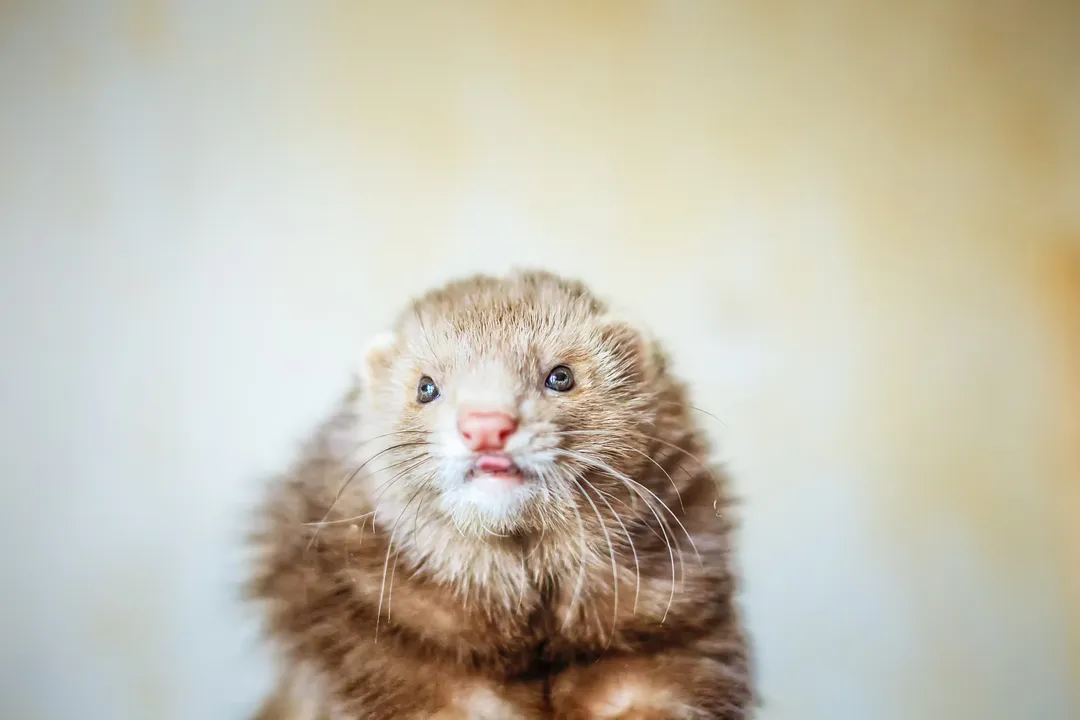
While the white coat and red eyes are the hallmarks of albinism, the condition is linked to a specific physiological consideration: potential health sensitivities. [1][2] The genetic mutation responsible for albinism affects the production of tyrosine, an amino acid necessary for melanin synthesis. [2]
The primary physical impact discussed in relation to this lack of pigment relates to vision and sun exposure. [2] As mentioned regarding the eyes, the lack of pigment in the iris means that albino ferrets are significantly more susceptible to damage from bright light compared to pigmented ferrets. [2] If you are considering an albino ferret, it is wise to assess your primary living space for sun exposure. If the ferret will spend significant time in a room that gets direct sun for several hours daily, investing in UV-blocking window films is a preventative measure that addresses this specific physical vulnerability proactively, rather than just reacting to squinting behavior.
It is also sometimes claimed that albinism can correlate with other health issues, such as deafness, though this is more commonly associated with extreme white spotting patterns in other animals, like Dalmatians, rather than true albinism in ferrets. [1] For true albino ferrets, the physical characteristics are overwhelmingly limited to the visual ones—the coat and eyes—which require environmental accommodation rather than indicating widespread internal systemic failure. [2]
# Distinguishing From Other Whites
For owners new to ferret coloration, understanding the difference between a true albino and a ferret with white markings can be important, as these distinctions sometimes carry different implications within breeding circles, although to the pet owner, the visual difference in color is the main factor. [6]
Here is a summary comparing the key physical identifiers:
| Feature | True Albino Ferret | Dark-Eyed White (DEW) |
|---|---|---|
| Coat Color | Pure, uniform white [1][3] | Pure, uniform white [6] |
| Eye Color | Pink or Ruby Red [1][2] | Dark (Black or Dark Brown) [6] |
| Genetics | Complete lack of melanin production | Carries specific white patterning genes [6] |
| Light Sensitivity | High due to iris pigment absence [2] | Standard sensitivity for dark-eyed ferrets |
The presence of any dark pigment in the eyes confirms the animal is not a true albino, even if the body is entirely white. [6] This distinction is purely a function of physical characteristics tied directly to the expression of specific genes. [6]
In summary, the physical definition of a white ferret being an albino rests squarely on two features: a coat that is entirely white due to the lack of melanin, and eyes that appear pink or red because the blood vessels are visible through the unpigmented iris. [1][2][3] All other aspects of their physique, from bone structure to scent gland placement, align perfectly with the general physical blueprint of the domesticated ferret species. [2]
#Videos
All About Albino Ferrets — What makes them UNIQUE - YouTube
Related Questions
#Citations
Albino Ferrets: Get All The Facts About Them Here!
Albino ferret: everything you need to know - Arquivet
White Ferret / Albino Ferrets Animal Facts - Mustela putorius furo
All About Albino Ferrets — What makes them UNIQUE - YouTube
Rare albino ferret characteristics and traits - Facebook
Ferret Colors, Markings, and Patterns - PetMD
Representative photograph of an albino ferret. - ResearchGate
Everything You Need to Know About the Albino Ferret