What does the specific epithet sylvaticus roughly translate to for the Wood Frog?
Answer
"Of the forest" or "woodland"
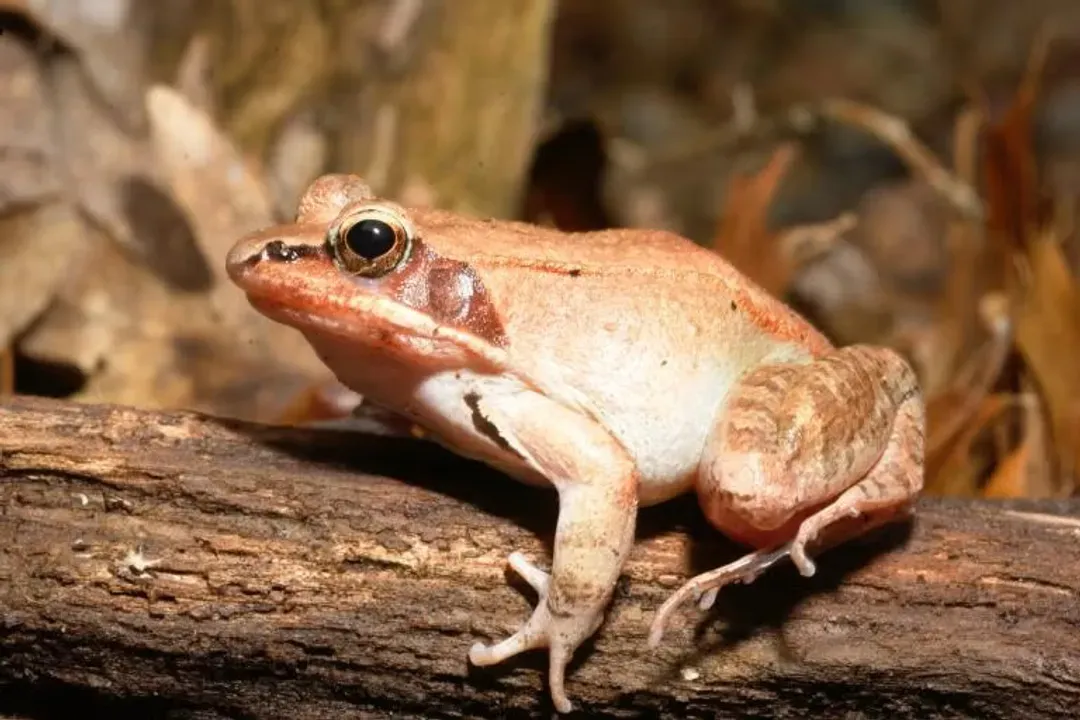
Specific epithets in binomial nomenclature often provide a clue regarding the species' ecology, habitat, or appearance, derived from Latin or Greek roots. In the case of *Lithobates sylvaticus*, the specific epithet *sylvaticus* is derived from Latin. This term directly translates to mean something pertaining to the woods, such as "of the forest" or "woodland." This naming convention is highly descriptive and directly corresponds with the known ecology of the Wood Frog, which is strongly associated with and typically found within forested habitats throughout its broad North American distribution range.
Related Questions
What characteristics define Lithobates sylvaticus's placement in Class Amphibia?What distinguishes the Order Anura to which Lithobates sylvaticus belongs?Which genus classification preceded Rana for the Wood Frog, Lithobates sylvaticus?What does the specific epithet sylvaticus roughly translate to for the Wood Frog?What does NatureServe's global listing of G5 signify for the Wood Frog?What conservation status might a state listing for Lithobates sylvaticus show, unlike its global G5 status?What remarkable biological feature allows the Wood Frog to survive being frozen solid?What specific substance is produced by the Wood Frog to prevent lethal intracellular ice formation?What key feature indicates Lithobates sylvaticus's placement in Phylum Chordata?Why do field biologists use the binomial nomenclature Lithobates sylvaticus universally?