What distinctive physical trait unites species within the genus *Crotalus*?
Answer
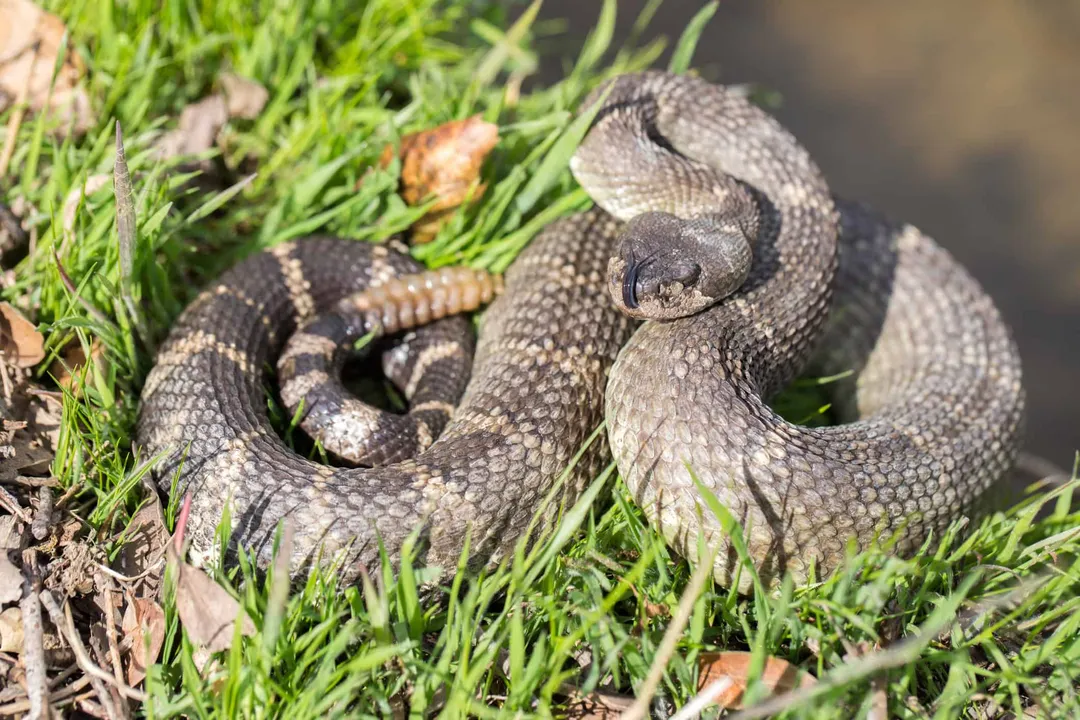
The presence of keratinous segments forming the rattle on the tail.
The genus *Crotalus* is reserved specifically for the New World rattlesnakes, and a major evolutionary trait that unites them is found on the tail. This feature involves the accumulation of keratinous segments that lock together during successive molts, forming the characteristic rattle structure. When shaken, this structure produces a distinctive buzzing or warning sound that is intended to deter potential threats. While the family Viperidae shares venom delivery systems, and the subfamily Crotalinae shares the heat pits, the rattle is the defining, shared anatomical innovation of the genus *Crotalus* itself.
Related Questions
What are the capitalization rules for *Crotalus oreganus* in binomial nomenclature?What anatomical feature defines membership in the pit viper subfamily Crotalinae?To which Phylum does *Crotalus oreganus* belong, signifying it has a backbone?What distinctive physical trait unites species within the genus *Crotalus*?Which subspecies listed by the Reptile Database within *Crotopus oreganus* is also debated regarding its classification relative to *C. viridis*?What is the practical consequence if a subspecies of *Crotalus oreganus* is reclassified under *C. viridis* regarding state agencies?What is the NatureServe global security ranking assigned to the currently defined *Crotalus oreganus*?What specific characteristic is associated with the nominate subspecies *Crotalus o. oreganus*?Which taxonomic Order includes all snakes and lizards, such as *Crotalus oreganus*?Why does recognizing the *Crotalus* genus inform emergency response regarding snake bites?