What aspect of the yellow sac spider's evolutionary past does genetic inspection reveal that external physical similarities often obscure?
Answer
Ancient splits in the evolutionary timeline
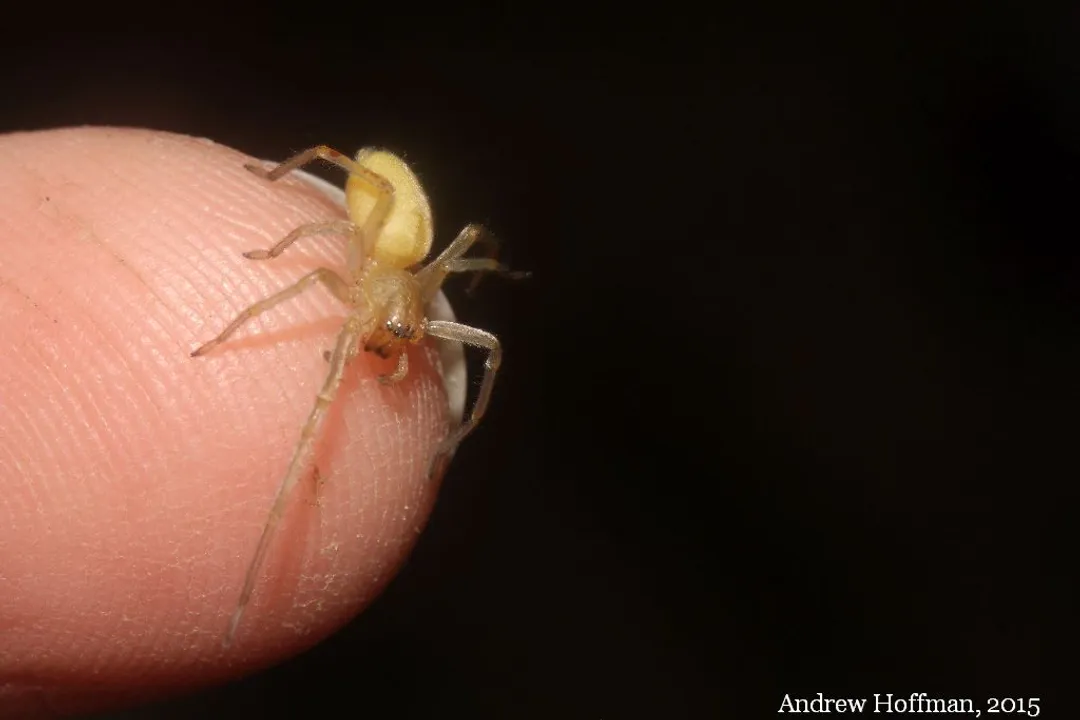
A recurring theme uncovered by detailed genetic study in arachnology is the discrepancy between external appearance and internal evolutionary history. Spiders that look strikingly similar across wide geographic areas, exhibiting minimal morphological variation (like variations in size or pale coloration), can possess genetic data indicating deep, ancient separations in their lineage. This means that what appears to be a single, continuous species based only on physical features can actually represent multiple distinct evolutionary lines that diverged long ago, shaped by geographic isolation or other factors, long before modern classification methods were developed.
Related Questions
What family did the yellow sac spider historically belong to before modern molecular investigation prompted reclassification?Which specific family now encompasses many species formerly classified within the genus *Cheiracanthium*, such as *C. inclusum*?Which specific genetic marker is frequently studied to discern evolutionary relationships among closely related yellow sac spider species?What aspect of the yellow sac spider's evolutionary past does genetic inspection reveal that external physical similarities often obscure?How does the yellow sac spider's use of silk for temporary structures contrast with the behavior of orb-weavers?What predatory strategy characterizes the yellow sac spider's lifestyle, contrasting with web-building spiders?What metric is mentioned as a common way to quantify genetic divergence when analyzing the range structure of species like *C. inclusum*?Which two common spiders are specifically named as being difficult for the general public to distinguish without detailed scientific examination?What does the necessity of placing *Cheiracanthium* species into the distinct family Eutichuridae signify about their evolutionary history?What types of long-standing natural barriers are cited as features that shape the modern genetic landscape across North American populations?