Are yellow sac spiders useful?
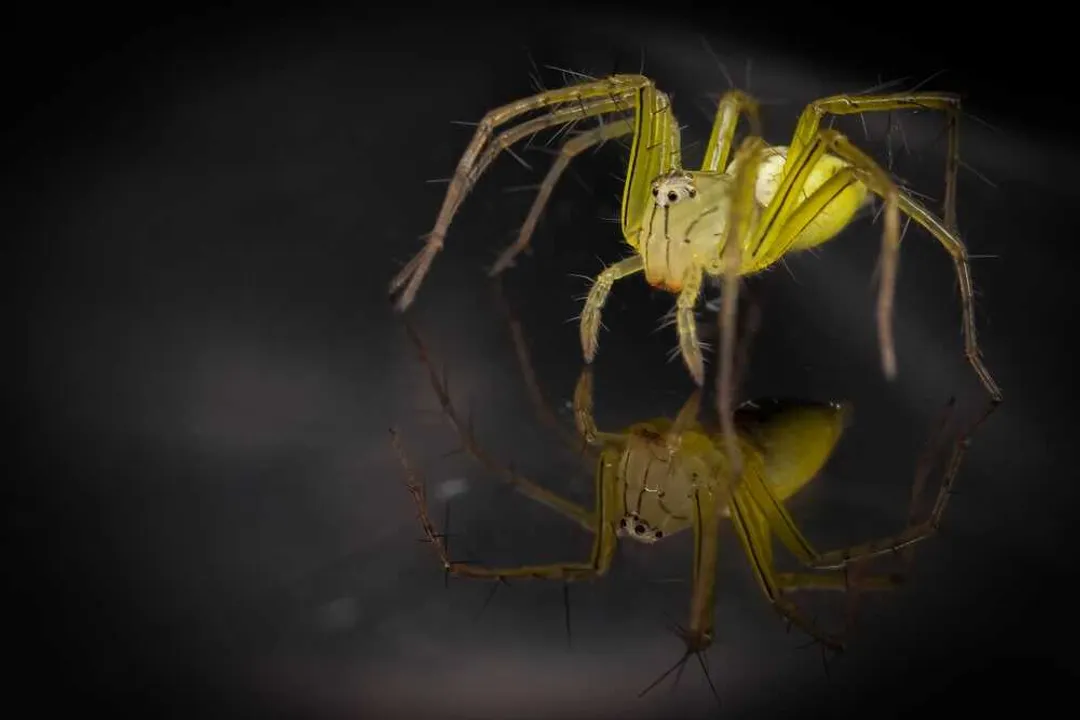
Yellow sac spiders, often simply called "yellow sacs," prompt a common question among homeowners and gardeners: are these pale, slightly spooky inhabitants truly beneficial, or are they just another pest to manage? Belonging to the genus Cheiracanthium, these spiders are frequently encountered, sometimes tucked away in corners or found wandering indoors. [3][6] While they certainly possess venom and can deliver a bite that causes more than just a minor sting, their utility in controlling other small arthropods means their role in our immediate environment is complex and often misunderstood. [1][7] To properly assess their value, one needs to look beyond the fear of the bite and examine their activity patterns and ecological niche.
# Spider Identity
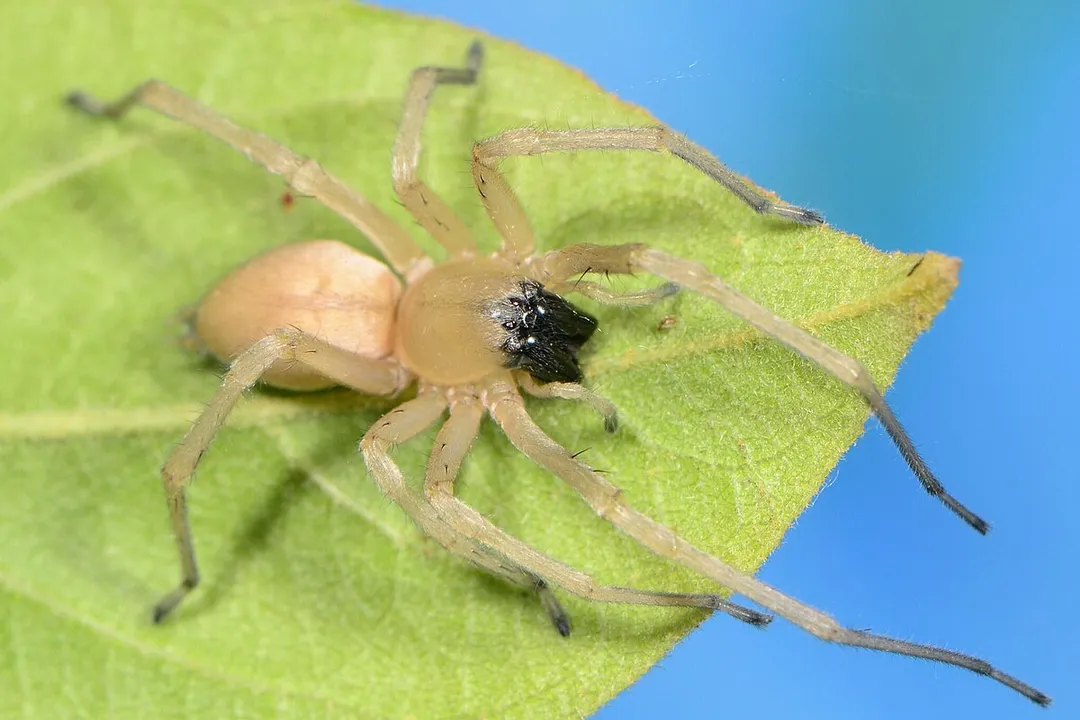
The spiders commonly referred to as yellow sac spiders generally belong to the genus Cheiracanthium. [3][6] They are typically recognized by their pale yellow or greenish-yellow coloration, sometimes exhibiting a slightly darker abdomen. [5][7] Adult females are often larger than males, reaching about 10 millimeters in body length, though the overall span with legs is larger. [7] A distinguishing feature is their abdomen, which is usually elongated and somewhat egg-shaped, contrasting with the more globular abdomens of some other common household spiders. [7] They are nocturnal hunters, meaning they do most of their work under the cover of darkness. [4]
Their common name derives from their habit of constructing small silken sacs, which serve as daytime retreats rather than true webs for trapping prey. [4] These sacs can be found in foliage outdoors or tucked away in sheltered spots inside human dwellings, such as behind picture frames or along baseboards. [4] It is worth noting that while some common species are Cheiracanthium inclusum (the Yellow Sac Spider) or Cheiracanthium mildei, they share similar habits and appearances, making field identification tricky for the untrained eye. [3][7]
# Predatory Nature
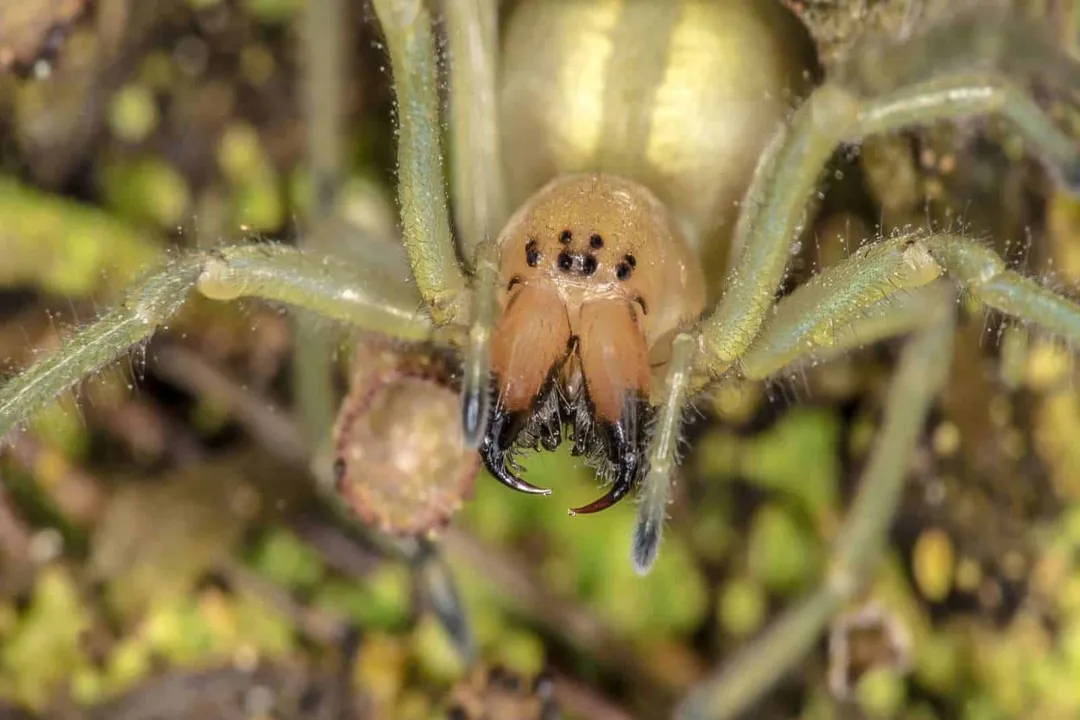
The primary argument for the utility of yellow sac spiders rests squarely on their predatory diet. These are active hunters, not web-builders waiting for a meal to stumble in. [4] They feed on various small insects and other arachnids. [5][7] In an outdoor setting, this predation helps manage common garden and shrub pests. [5]
Thinking about pest control inside our homes, we often celebrate the efforts of ladybugs or lacewings, yet we rarely give credit to the unsung micro-predators already present. Yellow sac spiders fit neatly into this category, acting as a natural, in-house defense against smaller, less desirable insects that might wander in or breed in quiet corners. [2] Their ability to capture and consume various soft-bodied pests means they contribute to regulating populations of smaller arthropods, even if they aren't the flashiest exterminators around. [5][7] For someone preferring a chemical-free approach to managing minor indoor insect activity, the presence of a few yellow sacs might actually be a net positive, serving as a constant, though hidden, form of biological control. [2]
# Habitat Movement
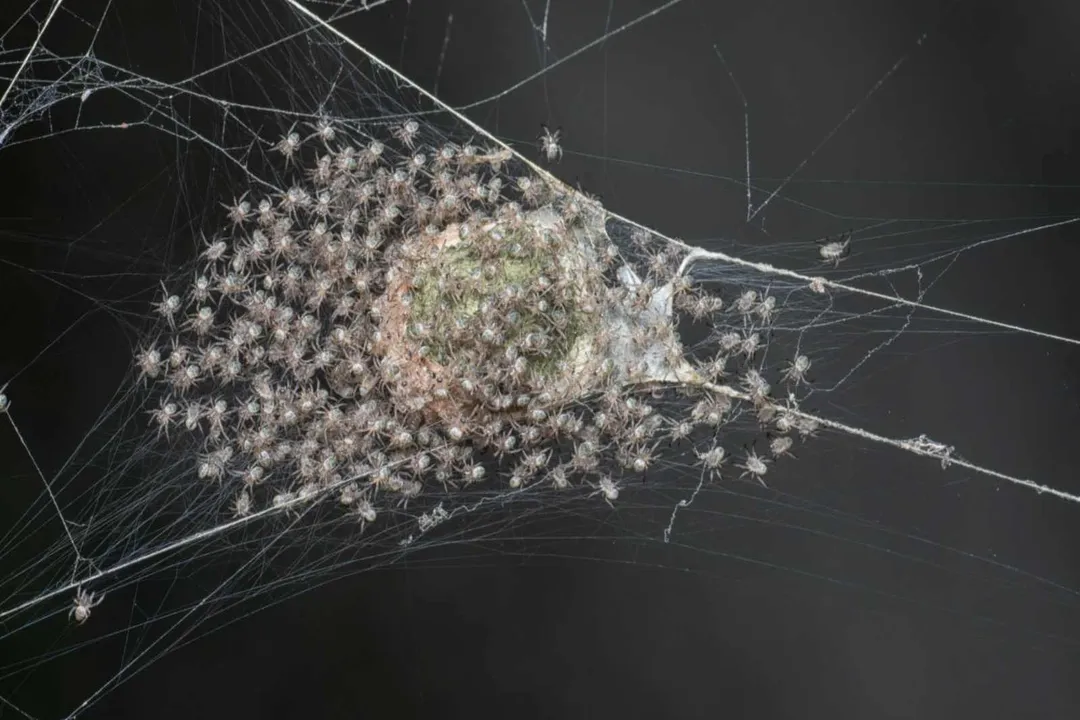
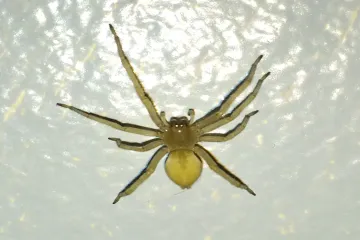
Understanding where they spend their time helps contextualize their usefulness versus the risk they present. Outdoors, they are found in vegetation, spinning their small retreats among leaves and flowers. [4] Indoors, however, their presence can be more variable. Some observations suggest they are often found near windows, doors, or where there are slight temperature variations or potential entry points. [1] They prefer quiet, sheltered locations for resting during the day. [4]
This tendency to move indoors, especially as seasons change or when searching for undisturbed daytime resting spots, is what brings them into contact with people. [1] If your home has many undisturbed spaces, like cluttered garages, basements, or infrequently used storage closets, these areas become prime real estate for a yellow sac to create a temporary home, offering them a steady supply of incidental pests that might also be sheltering there. [2] Conversely, in a very clean, high-traffic area, their beneficial presence might be outweighed by the increased chance of accidental contact.
# Bite Concerns
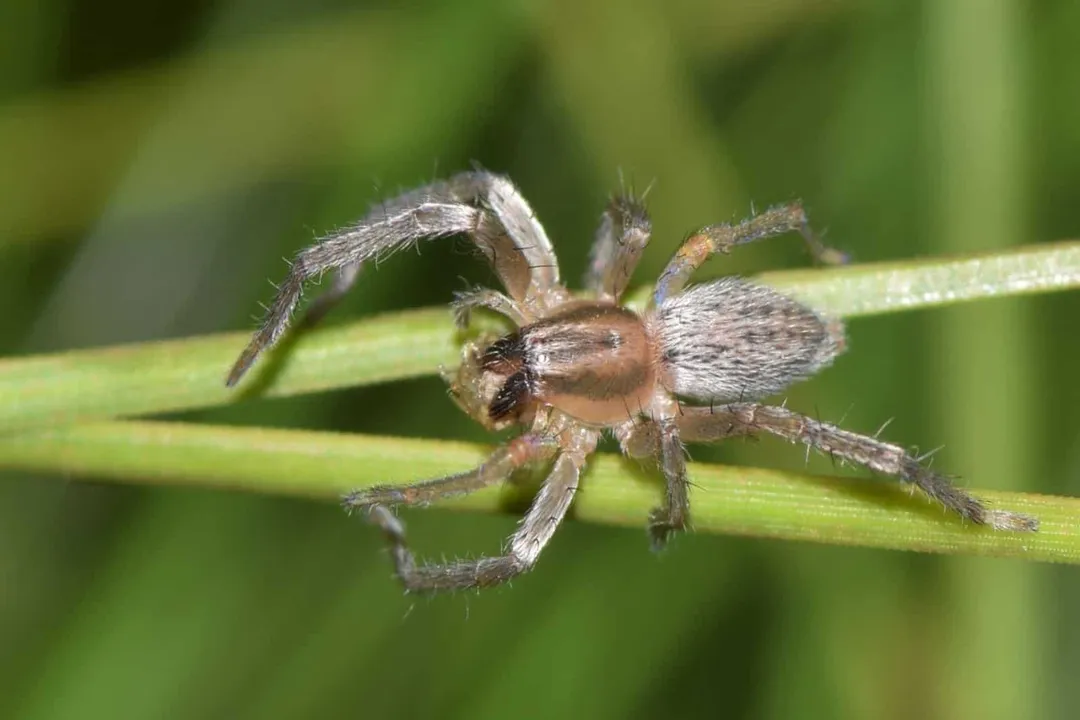
No discussion of a spider is complete without addressing the bite, as this is the main reason people often consider them a nuisance rather than a benefit. Yellow sac spiders are capable of biting, usually when they feel threatened, trapped against the skin, or accidentally crushed. [1][7] The bite is often described as instantly painful, sometimes compared to a bee sting. [1]
The immediate reaction typically involves pain, redness, and swelling localized around the bite site. [7] While older reports sometimes suggested that the venom could cause severe reactions, including tissue death (necrosis), current understanding tends to downplay this severity for most common species encountered in residential settings. [1][7] Necrotic lesions are rare, though not impossible, and are more often associated with Brown Recluse bites, leading to confusion in identification and reporting. [1] For the average person, the bite usually resolves without long-term issues, although the initial pain and itching can persist for several days. [7]
A key difference in user experience that impacts perception of utility is bite reaction variability. While one person might experience only mild discomfort, another sensitive individual could have a significantly exaggerated response, leading them to view the spider as unequivocally harmful. [1] This variability means that while they are biologically beneficial predators, their subjective "usefulness" depends heavily on the individual's tolerance and proximity to them.
# Managing Coexistence
Since yellow sac spiders are both pest controllers and potential irritants, managing coexistence rather than outright eradication might be the most pragmatic approach for many environments. Their beneficial impact is passive; they work without intervention, provided they have prey to hunt. [2][5] Their nuisance factor is almost entirely linked to accidental encounters.
A practical strategy for homeowners might involve minimizing undisturbed harborage areas indoors. Instead of allowing clutter to accumulate in corners where a silken retreat might be established, keeping storage areas neat reduces the appeal of these spots for daytime resting. [4] Furthermore, understanding that they are nocturnal hunters suggests that simply keeping lights off or reducing exterior lighting near entry points can limit their tendency to wander into living spaces. [4] If you notice a recurring population in one area, look for the pests they might be feeding on; controlling the food source often naturally regulates the spider population without needing direct intervention against the spider itself. [2] However, if a known severe allergy exists, or if they are consistently found in bedding or high-contact areas like shoes left on the floor, exclusion and removal become a higher priority than appreciating their predatory services. [1]
In summary, the yellow sac spider is certainly useful from an entomological perspective; it is a small, active predator that contributes to ecosystem balance by consuming other insects. [2][5] Yet, this utility exists alongside the recognized risk of an unpleasant bite, which tips the scales for many people living in close quarters. Deciding whether they are a welcome ally or a hazard to be removed ultimately rests on assessing the environment they inhabit and one's personal comfort level with having these small, non-web-building hunters sharing the space. [7]
#Videos
The Spiders in your House - The Yellow Sac Spider - YouTube
Related Questions
#Citations
Are Yellow Sac Spiders In Worcester Dangerous?
Are yellow sac spiders beneficial inside or should I move this little ...
Cheiracanthium inclusum | INFORMATION - Animal Diversity Web
Everything You Need to Know About Yellow Sac Spider
Are black footed yellow sac spiders good to have around house ...
Cheiracanthium - Wikipedia
The Yellow Sac Spider Surprisingly Doesn't Build a Web
Understanding the Yellow Sac Spider: Facts & Identification Guide
The Spiders in your House - The Yellow Sac Spider - YouTube