Can yellow sac spiders have babies?

The life cycle of the yellow sac spider absolutely includes reproduction, meaning these common household arachnids certainly have babies. The process centers around the creation of a specialized silken retreat where the female deposits her offspring. [1][2][4] It is important to note that yellow sac spiders, particularly species like Cheiracanthium inclusum and C. mildei, utilize these silken coverings for more than just housing the next generation; they are also used as resting spots during the day and as shelters during the molting process. [1][8] This dual use can sometimes complicate identification if you are trying to determine if a particular sac is an egg sac or simply a temporary den.
# Silken Encapsulation
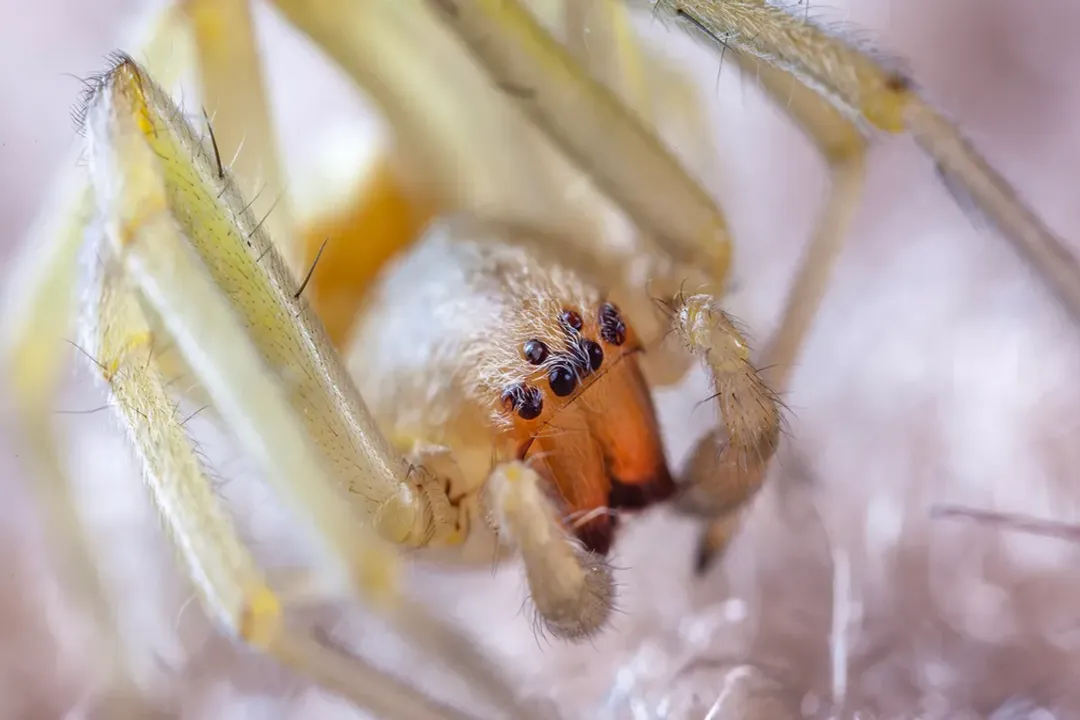
The hallmark of yellow sac spider reproduction is the egg sac. The female constructs this small structure using silk, carefully hiding it in a secure location. [4][7] These spiders are not prone to creating large, conspicuous webs for catching prey, preferring instead to be active hunters, which makes their egg sacs a primary indicator of their presence within a structure. [7]
The precise location chosen for depositing the eggs is key to the survival of the young. Females seek out quiet, sheltered areas that offer protection from predators and environmental disturbances. [4][9] Common spots include undisturbed corners within homes or buildings, crevices, or even beneath loose bark on trees outdoors. [2][4][7] If found inside, you might discover them tucked away where surfaces meet, such as where a wall meets the ceiling or behind stored items. [2]
The appearance of the egg sac is typically described as small and silken. [5] Given the small size of the spider itself—often less than half an inch in body length—the sac is appropriately scaled, often cited as being about half an inch across. [5] The silk itself is usually fine and opaque, concealing the developing embryos entirely from view. [3]
# Egg Quantity
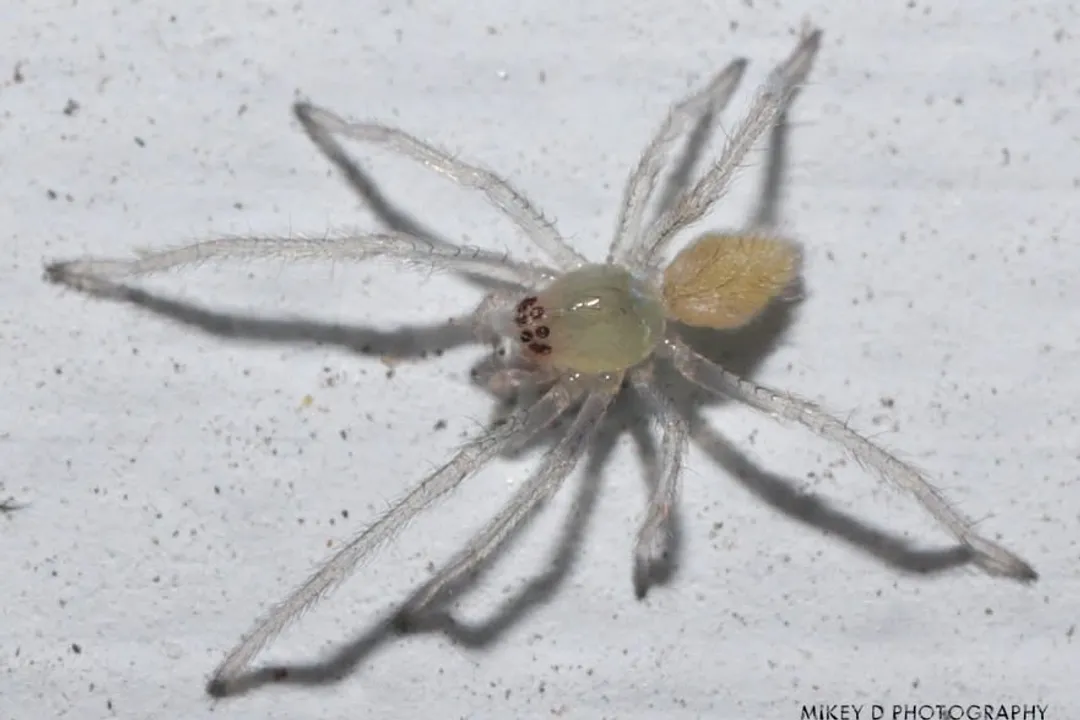
When a female yellow sac spider is ready to lay her clutch, she deposits a significant number of eggs into the protective casing she has constructed. Sources consistently indicate that these sacs generally contain between 40 and 60 eggs. [3][5][9] This relatively high number suggests a survival strategy that relies on producing many offspring to compensate for the dangers faced by the young after hatching.
If you were to map out the potential reproductive output of a single female over a season, even if she only laid two or three sacs (though the sources don't specify the exact number of clutches per female), the population increase in a localized area could be substantial. For instance, two sacs containing an average of 50 eggs each means 100 new spiders emerging, even if many are lost shortly after. This density explains why an infestation can seem to appear suddenly once the young mature enough to disperse. [5][9]
# Maternal Instincts
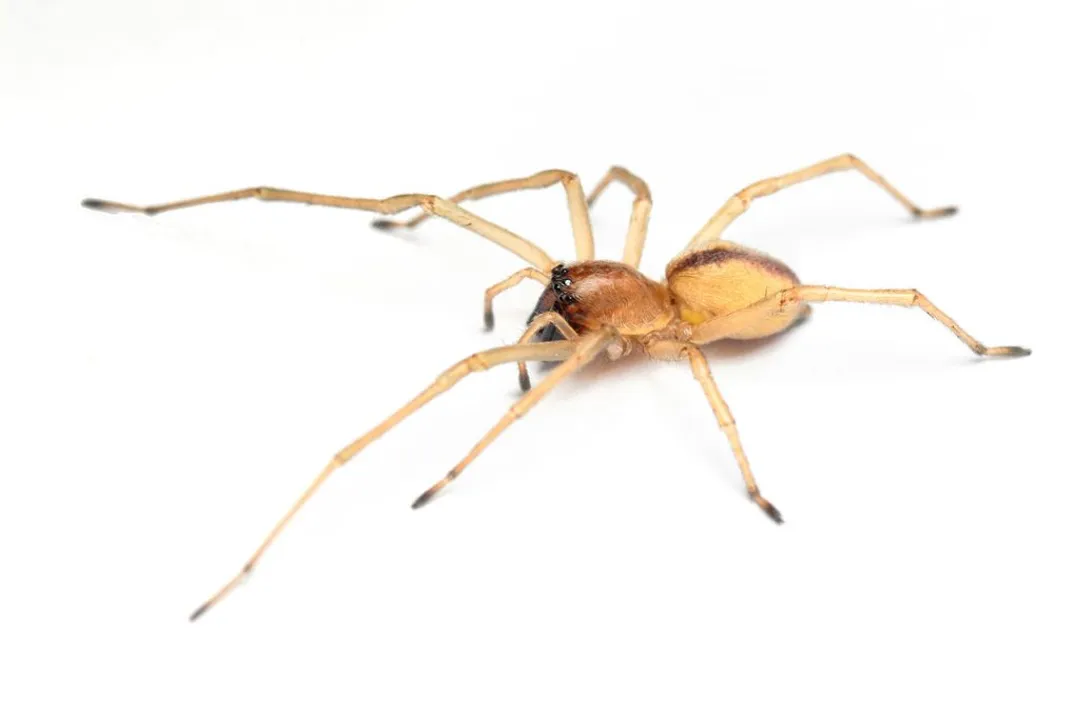
One interesting aspect of yellow sac spider reproduction is the degree of maternal care exhibited. While not as famously attentive as some other spider species, the female yellow sac spider is known to guard her eggs. [5][7] This guardianship usually involves remaining near the sac, often resting within it or immediately adjacent to it, until the spiderlings are ready to emerge. This behavior is a critical survival advantage, as an unguarded egg mass is much more vulnerable to parasitic wasps or predation by other insects or spiders. [5][7]
When considering management strategies around the home, recognizing this guarding behavior is helpful. If a sac is found, the mother is likely nearby. Disturbing the area might cause her to flee, but a very sudden disturbance could potentially cause the eggs to be abandoned or, conversely, trigger a defensive reaction before she retreats. [5] When physically removing a sac, it is best done cautiously and away from the immediate area to prevent the mother from simply rebuilding nearby or aggressively defending her position if startled. [3] It is worth noting that the integrity of the silk is quite delicate; a significant jolt or rough handling can easily tear the silk, possibly leading to premature hatching or damage to the eggs inside. [3]
# Species Identification
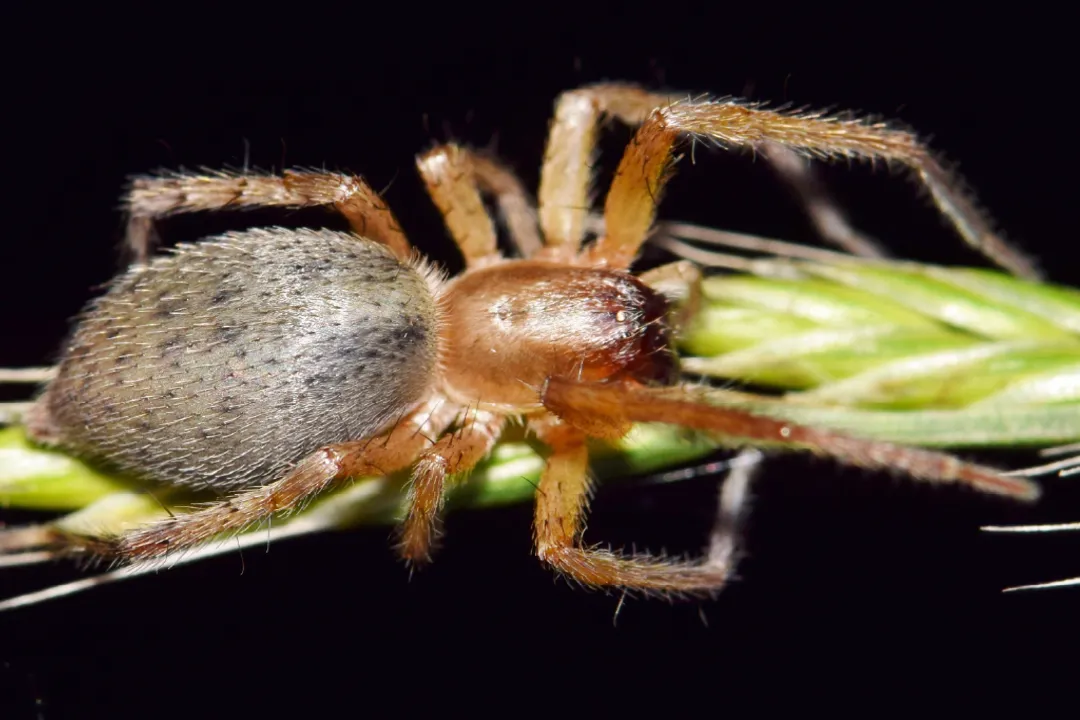
While the general reproductive behavior appears consistent across the known species found in human habitations, knowing which species you are dealing with can sometimes offer context on timing or preferred environments. The two most commonly discussed species in relation to homes are Cheiracanthium inclusum (the True Yellow Sac Spider) and Cheiracanthium mildei (the Pale Yellow Sac Spider). [1]
C. inclusum is often considered the more native or common species in certain regions, while C. mildei is often introduced or prevalent in different climates. [1] Their habits regarding sac construction and location are quite similar, focusing on silk retreats built in sheltered, vertical, or protected spaces, which underscores why both species are often grouped together when discussing home pest control measures. [1][4]
# Understanding Dispersion
Once the babies hatch from the 40-to-60-egg clutch, they are not immediately independent wanderers. Like many spiders, the tiny spiderlings will often remain clustered near the empty egg sac for a brief period. [5] This post-hatching clustering period is crucial because it allows them to grow slightly larger and potentially absorb residual nutrients or ensure they are ready for the rigors of dispersal.
Dispersal from the nest is usually achieved through ballooning, a classic spider behavior where the spiderlings release fine strands of silk to be caught by the wind, effectively turning themselves into aerial travelers. [7] This method allows the new generation to rapidly colonize new areas, often explaining how a small initial presence can turn into multiple established families around a property over the course of a season. [7]
To put the local impact into perspective, consider a scenario where a home has several undisturbed outdoor resting spots—perhaps behind fascia boards or under patio furniture. If we conservatively assume just three females successfully raise a clutch of 45 eggs each in these locations, that means new juvenile spiders are ready to balloon outwards in the following weeks. [3][5] This highlights why controlling the established, visible egg sacs is often a more effective management tactic than trying to deal with hundreds of microscopic, ballooning spiderlings later in the season. [4][9]
# Seeking Out Reproductive Sites
For homeowners concerned about managing these spiders, locating the egg sacs is the most direct way to interrupt the reproductive cycle. Since they prefer dark, undisturbed locations, routine inspection of cluttered areas is necessary. [2][4]
A practical approach involves examining:
- Ceiling/Wall Junctures: Inspecting corners high up in garages, basements, or closets where dust accumulation is minimal.
- Underneath Objects: Checking under items stored against walls, such as shelving units or unused equipment.
- Foliage and Debris (Outdoors): Examining folded leaves, undisturbed mulch, or the undersides of outdoor furniture cushions, as they often seek shelter in protected outdoor spots as well. [7][8]
When inspecting, remember that the female uses sacs for resting, too. A sac that is slightly larger or appears messier might be a resting retreat, but any sealed silken structure found in an unexpected corner warrants closer attention. If a sac is found, swift, careful removal is recommended to prevent hatching, especially if the female is still guarding it. [3][5]
Ultimately, the ability of the yellow sac spider to reproduce efficiently through protected, high-yield egg sacs, combined with a short reproductive cycle and effective dispersal mechanisms, makes them a persistent presence in many environments. [1][7] Interrupting this cycle by targeting the egg sacs is the key to keeping their numbers in check.
Related Questions
#Citations
[PDF] Yellow Sac Spiders - Utah State University Extension
Yellow Sac Spider Control - Environmental Pest Control
How do you find and destroy yellow sac spider egg sacs? - Reddit
[PDF] A Guide to Yellow Sac Spider - Alameda County Vector Control
Cheiracanthium inclusum - Wikipedia
Yellow sac spider and babies in Portland - Facebook
The Yellow Sac Spider Surprisingly Doesn't Build a Web
The Yellow Sac Spider - Holmes Lawn & Pest
Yellow Sac Spiders: Identification, Prevention, and Control