How is the feeding strategy of the Western Rat Snake best described?
Answer
Opportunistic generalism layered upon age-specific specialization
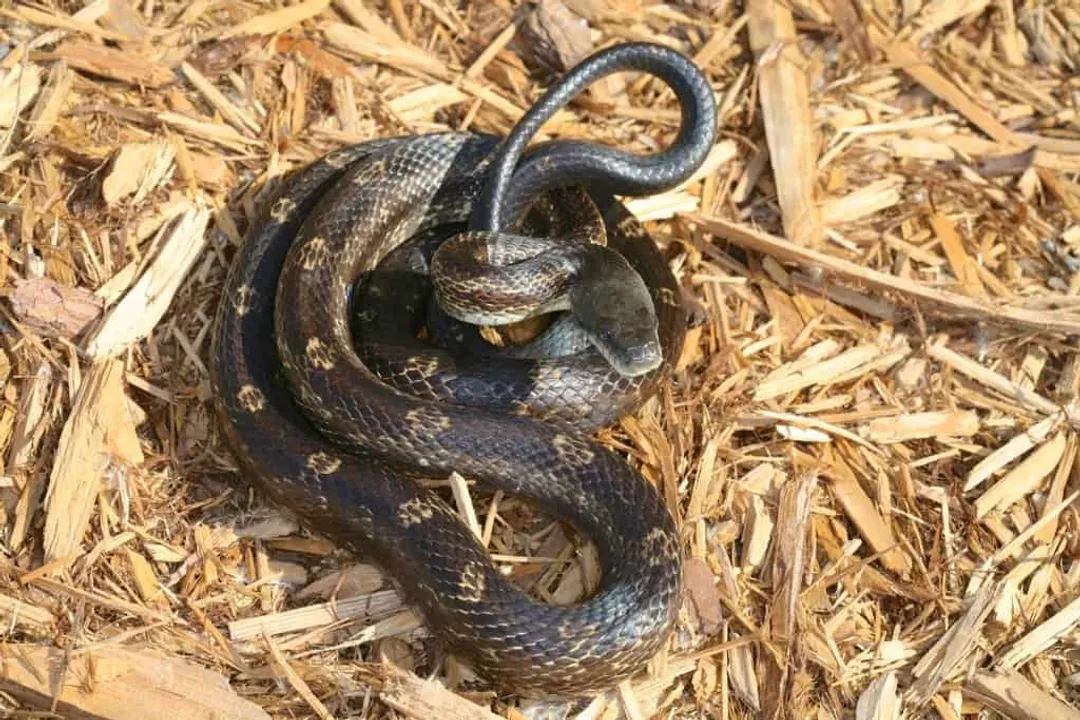
The feeding approach of the Western Rat Snake demonstrates a nuanced strategy incorporating flexibility across different life stages. The 'age-specific specialization' refers to the clear shift from eating small, slow prey (juveniles) to consuming large mammals (adults). The 'opportunistic generalism' describes their overall behavior: they maximize the use of whatever resource is locally abundant and capture-able, meaning the exact composition of the diet varies significantly between a snake in a North Carolina park and one in a Texas field. They are skilled at shifting their primary focus based on immediate environmental opportunity.
Related Questions
What primary food sources define the initial diet of newly emerged Western Rat Snakes?Why is the common name "rat snake" highly accurate for mature *Pantherophis obsoletus*?How do Western Rat Snakes subdue warm-blooded prey through constriction?How does the required feeding frequency differ between a juvenile and a large adult rat snake?What is the ecological result of the trophic separation between young and old *Pantherophis obsoletus*?Which sensory organs guide the Western Rat Snake toward hidden prey using chemical cues?What advantage does the semi-arboreal nature provide in securing meals for the Western Rat Snake?How is the feeding strategy of the Western Rat Snake best described?What observation might correlate a dip in Western Rat Snake size or number, indicating their role as a bio-indicator?Besides mice and rats, what larger mammals might occasionally be predated by a powerful adult Western Rat Snake?