What should I feed my rat snake?
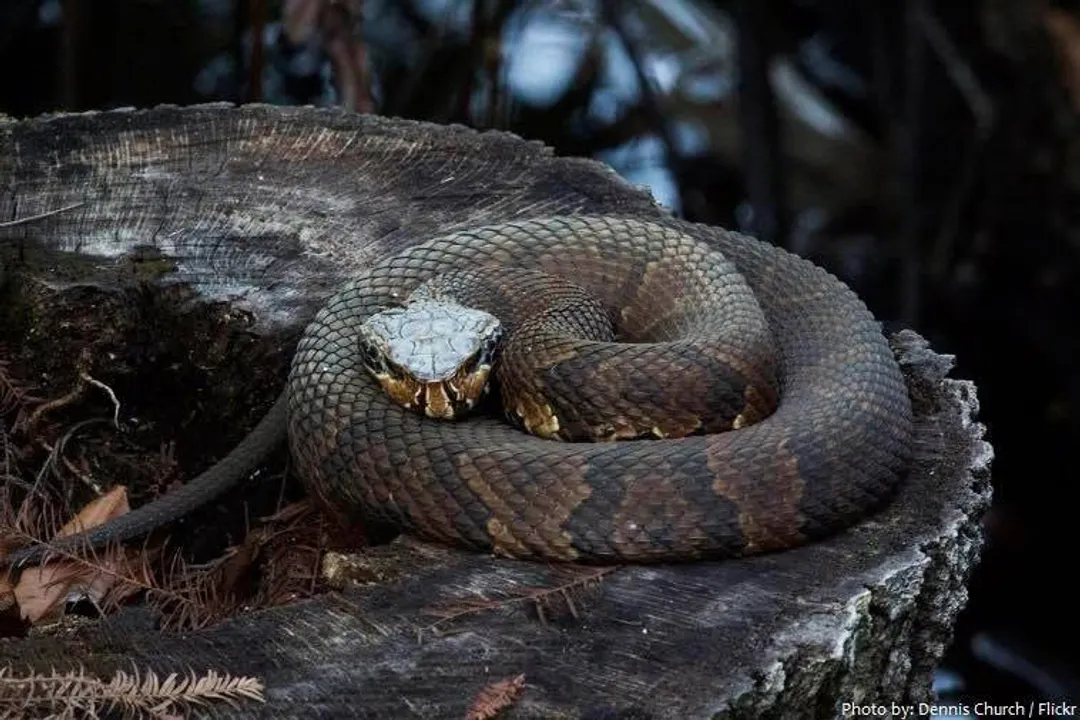
Keeping a rat snake healthy hinges significantly on providing the right nutrition at the right time. While these snakes are generally known for being excellent eaters compared to some other reptile species, determining the appropriate size, type, and frequency of meals requires attention to detail, especially as they move through different life stages. Generally, the staple diet for a captive rat snake, whether it's an Eastern, Black, or Great Plains variety, revolves around appropriately sized rodents.
# Staple Diet
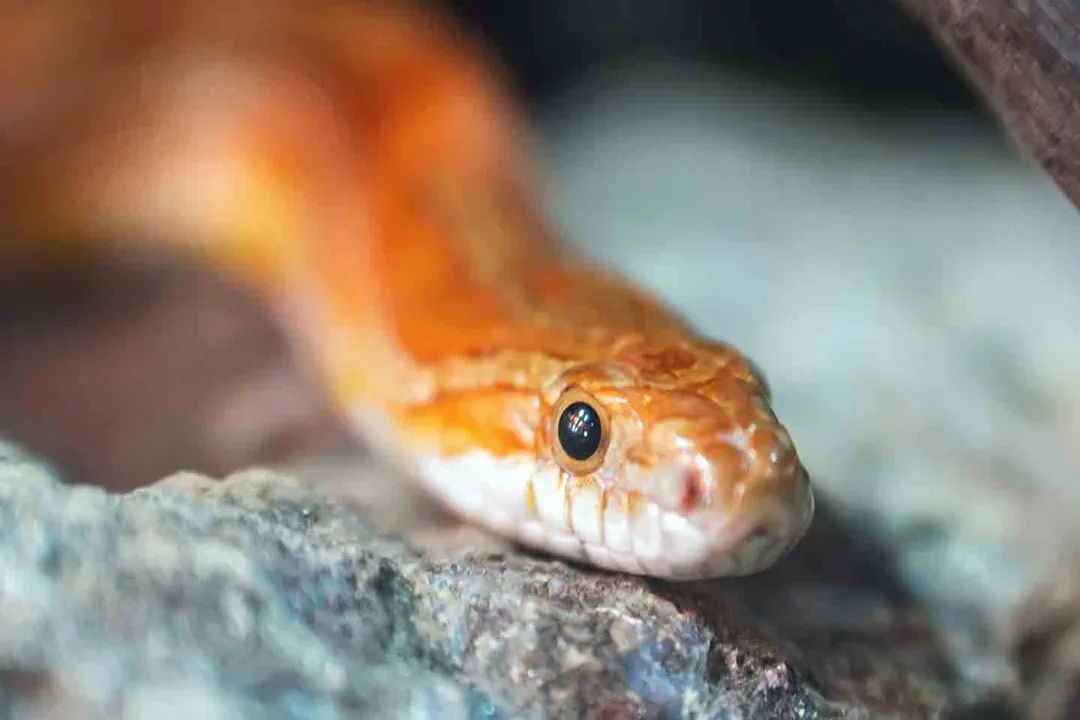
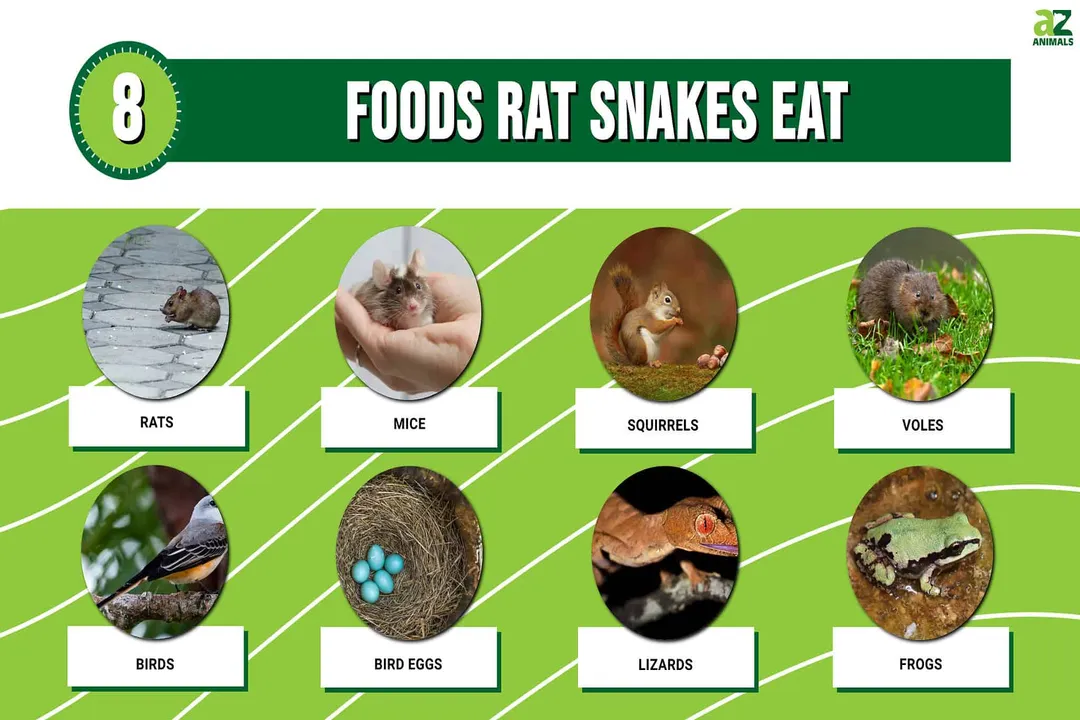
The backbone of the captive rat snake diet is readily available mice or rats. For most kept species, such as the common Rat Snake complex, mice are the standard feeder animal. Wild rat snakes consume a wider variety of items, including small mammals, baby birds, and even bird eggs, but this diversity is usually discouraged in captivity for consistency and safety. In a controlled setting, focusing on rodents ensures a balanced nutritional intake without the risks associated with feeding wild-caught or less nutritionally consistent prey items. While some keepers may occasionally offer chicks, rodents remain the primary and most reliable food source for long-term captive health. Some sources note that insects or fish are generally not recommended for corn snakes or rat snakes as part of their regular feeding regimen.
# Prey Size Matters
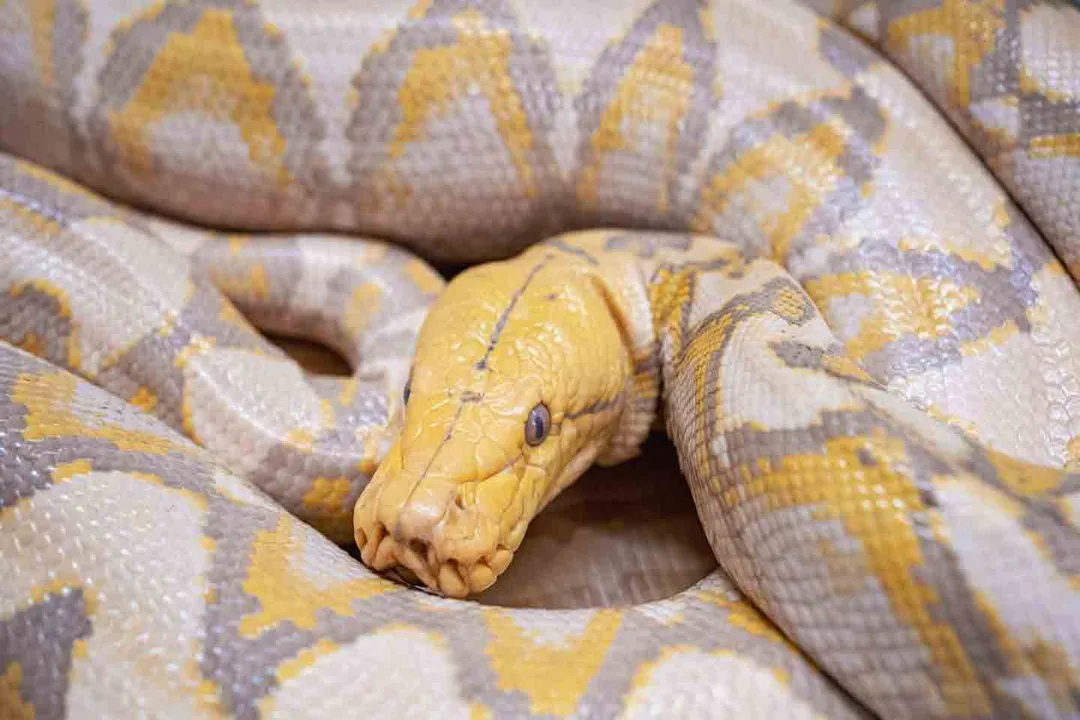
Getting the prey size correct is perhaps the most frequent concern for new owners, particularly when dealing with very young snakes. A general, authoritative guideline suggests that the prey item should not be wider than the snake at its widest point. If a juvenile snake seems too small for even the smallest commercially available mice, like pinkies, it may be necessary to source appropriately sized weaned mice or even specialized, smaller rodents if available, though pinkies are often the starting point for smaller hatchlings. Feeding prey that is too large can lead to regurgitation, which is stressful for the snake and can create long-term feeding aversions. Conversely, consistently offering prey that is too small will hinder proper growth and development.
For instance, a new owner with a hatchling or small juvenile might start with pinky mice—newborn, unweaned mice that lack fur. As the snake grows, the owner must gradually step up the prey size. Moving from pinkies to fuzzies (weaned mice) or hoppers (slightly older, very small mice) should be dictated by the snake's body girth, not simply a fixed age schedule. It is essential to visually compare the prey item to the snake's midsection before offering it.
# Feeding Frequency
The feeding schedule must adapt as your snake ages, reflecting its changing metabolic needs and growth rate.
| Snake Age Group | Recommended Frequency | Notes |
|---|---|---|
| Hatchling/Juvenile (Rapid Growth) | Every 5 to 7 days | Needs frequent meals to fuel rapid growth, but ensure prey size is appropriate. |
| Sub-Adult/Adolescent | Every 7 to 10 days | Growth slows slightly; meals can be spaced out modestly. |
| Adult (Maintenance) | Every 10 to 14 days | Once fully grown, metabolic demands decrease, and less frequent feeding maintains weight. |
Young snakes, which are in a phase of rapid growth, generally require more frequent feeding, often once every five to seven days. As they mature into sub-adults and then full adults, their metabolic rate slows down, and the interval between meals can safely be extended to every 10 to 14 days for maintenance. Overfeeding an adult can lead to obesity, which puts unnecessary strain on their organs.
# Prey Presentation
Most keepers default to offering frozen/thawed (F/T) prey items, which is the safest and most humane option for captive snakes. Live prey carries a risk of injury to the snake, as the rodent can bite or scratch if it defends itself. Always ensure the thawed prey item is thoroughly warmed to body temperature before offering it; a cold meal is often refused.
When thawing, do not use a microwave, as this can cook the prey internally, making it unsafe. The best method is usually to place the frozen prey in a sealed plastic bag and submerge it in warm water until fully thawed, then gently pat it dry. A common practice among experienced keepers is to gently wiggle the thawed prey with tongs to simulate movement; this scent and movement often trigger the snake’s feeding response. If a snake is showing reluctance to eat a thawed item, an unacknowledged trick that sometimes works is gently rubbing the thawed prey with a used piece of substrate or a small piece of shed skin; this adds familiar scents that can sometimes encourage a hesitant eater to accept the meal [^Original Insight 1].
# Water and Hydration
Providing constant access to fresh, clean water is non-negotiable, regardless of whether the snake is currently eating or not. Rat snakes need a water dish large enough for them to soak in if they choose, which they often do, especially when preparing to shed their skin. Water quality is just as important as food quality. Ensure the water bowl is cleaned regularly—at least daily if soiled—to prevent the growth of bacteria and algae. Dehydration can lead to a refusal to eat, improper shedding, and general lethargy, so monitoring the water supply is a daily husbandry task equal in importance to providing food.
# Navigating Feeding Difficulties
Rat snakes are generally quite voracious, but they can refuse food, especially when stressed or experiencing environmental changes. A snake that suddenly stops eating may be preparing to shed (shedding cycles often cause temporary appetite loss), or it might be too cold, as reptiles require external heat to properly digest a meal. If your snake refuses a meal, remove the uneaten prey promptly to prevent mites or contamination.
A failure to thrive on a captive diet is often linked to the prey itself, rather than the snake's refusal to eat. While wild rat snakes are opportunistic, captive snakes thrive on consistency. For instance, while wild Black Rat Snakes consume birds and eggs, relying on non-rodent items in captivity often leads to inconsistent nutrient profiles unless these items are specifically formulated for reptiles, which is rarely the case for standard commercial bird eggs or chicks. Sticking strictly to quality, appropriately sized rodents minimizes the risk of nutritional deficiencies associated with trying to replicate a wild diet [^Original Insight 2]. If refusals persist, double-check that the enclosure temperature gradient is correct, especially the basking spot or warm side, as digestion requires adequate heat.
#Videos
Rat Snakes- Facts and Feeding! - YouTube
Related Questions
#Citations
Feeding advice for rat snake - Reddit
What Do Rat Snakes Eat? 8 Foods in their Diet - A-Z Animals
Alternative feeding questions - Rat Snakes
[PDF] caring for your Rat Snake - Reptiles by Mack
What do rat snakes eat? - Facebook
Snake Care Guide | Corn and Rat Snake | Winter Park Veterinary ...
Rat Snakes- Facts and Feeding! - YouTube
What do I feed juvenile Great Plains Rat Snakes, they look too small ...
What Do Snakes Eat? A Guide To Feeding Your Pet Snake - Chewy
Black Ratsnake Care Sheet | ReptiFiles