What is the primary diet of most snakes?
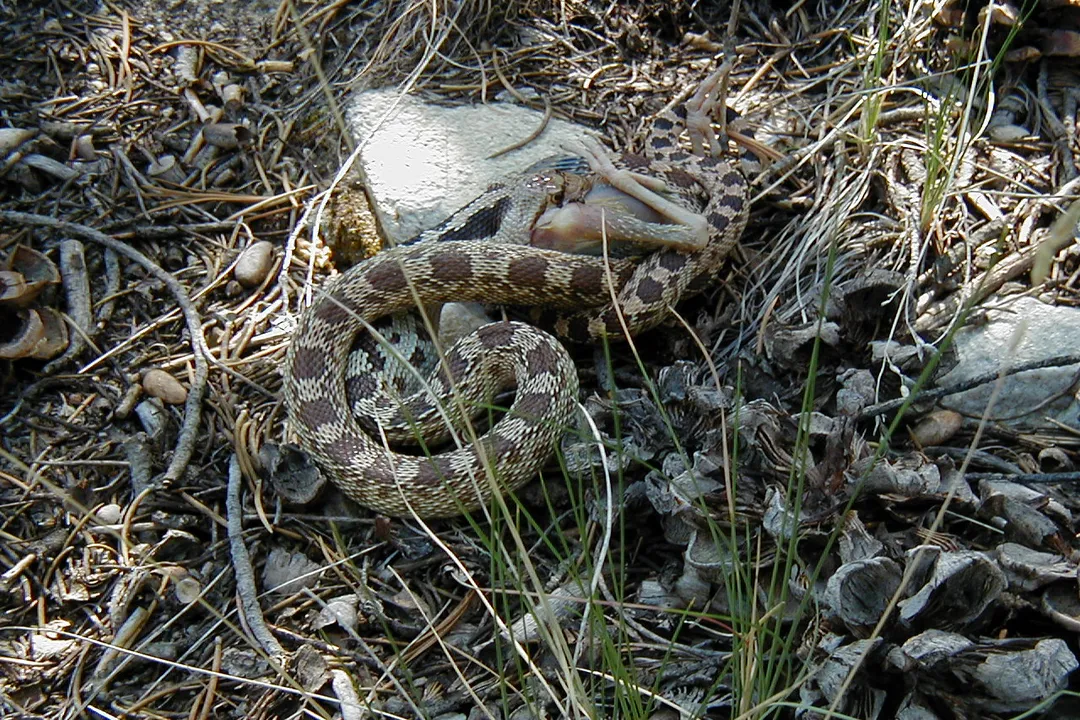
The dietary habits of snakes are strictly defined by their biology, leading to a surprisingly consistent primary food source across the nearly 4,000 recognized species, regardless of where they live or how large they become. Simply put, snakes are obligate carnivores. [9] This means their entire nutritional requirement must be met through the consumption of animal matter; they do not derive sustenance from plant material, rendering botanical items irrelevant to their survival. [3][6][9] For a general audience interested in wildlife or caring for a pet serpent, understanding this fundamental truth—that snakes only eat animals—is the crucial starting point for discussing their feeding ecology. [3]
# Core Diet
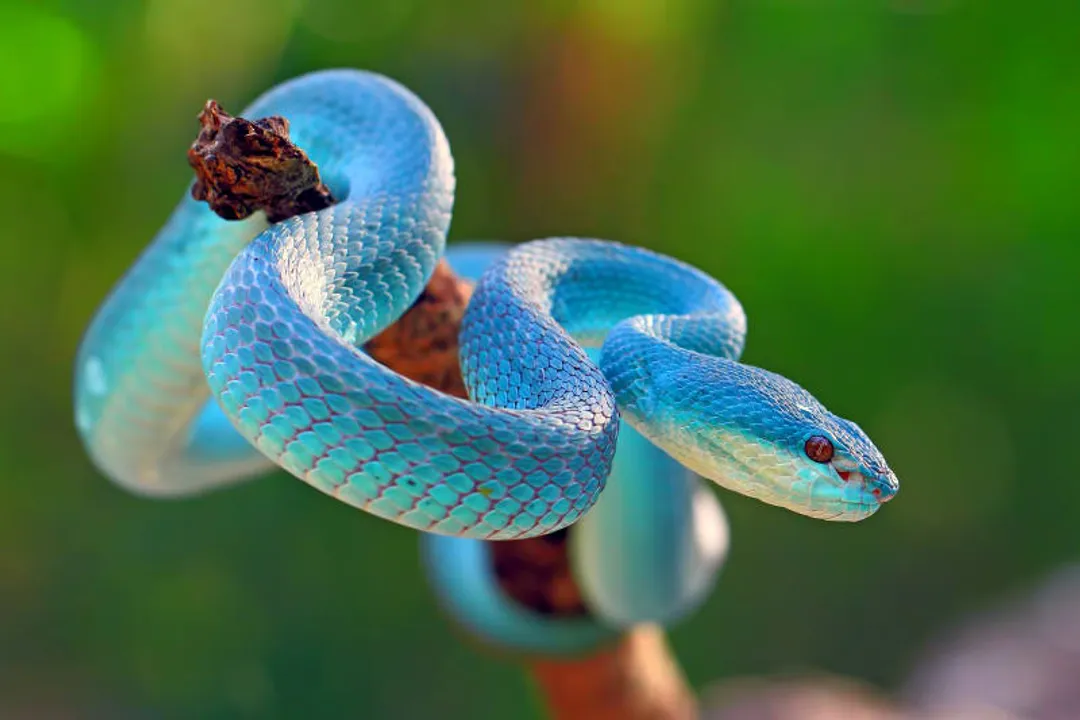
The entire spectrum of snake feeding revolves around a singular class of food: meat. [3][6] This necessity stems from their specialized digestive systems, which are adapted to process proteins and fats found exclusively in animal tissues. [9] Unlike omnivores or herbivores, snakes lack the necessary enzymes and gut flora to break down cellulose or extract meaningful nutrition from vegetation. [3] While this classification is universal, the type of animal consumed varies dramatically based on the snake's species, size, habitat, and life stage. [2][7]
# Wild Menu Variation
In the natural world, a snake's menu is dictated by opportunity, location, and its predatory capabilities. [2] It is a common misconception, particularly for those unfamiliar with herpetology, to assume that most wild snakes subsist only on rodents, simply because many common species, such as rat snakes or kingsnakes, specialize in them. [5] While rodents—mice, rats, voles, and gophers—form a significant portion of the diet for many medium to large terrestrial snakes, this is far from the whole picture. [1][2][7]
Many species broaden their intake considerably. For instance, smaller snakes might find their primary sustenance in invertebrates; many garter snakes, for example, readily consume insects and earthworms. [2][7] Aquatic snakes, naturally, focus on aquatic life, targeting fish and amphibians like frogs and salamanders. [2] Furthermore, birds and their eggs represent a vital resource for many species across different sizes, sometimes requiring snakes to navigate complex environments like tree nests to secure the meal. [2][7] Some larger constrictors, depending on the ecosystem, may occasionally take small mammals larger than typical rodents, such as rabbits or even small livestock if the opportunity arises. [2]
Considering the energy expenditure versus caloric return offers an interesting perspective. A large python that successfully ambushes a small deer or mammal secures a massive, infrequent energy payload, relying on extremely slow digestion for months of sustenance. In contrast, a slender, fast-moving species that consumes dozens of small insects or amphibians weekly must maintain a higher overall metabolic rate to fuel its constant, smaller foraging activities. [2][7] This illustrates a key evolutionary divergence in hunting strategy within the same dietary classification. [9]
# Shifting Needs
A fascinating element of snake biology is the continuous adjustment of diet as the snake grows from a hatchling to an adult. [7] The food item that is perfectly sized for a juvenile might become completely inadequate for an adult, and vice versa, the adult's preferred prey might be too large or too fast for the young snake. [1]
For example, a baby corn snake might begin its life feeding on pinhead crickets or very small lizards, graduating quickly to fuzzy mice once it gains size and confidence. [1] Similarly, a wild rattlesnake might start on lizards or large insects before switching its focus almost entirely to ground squirrels and pocket gophers as an adult. [7] This transition is often marked by the snake's body diameter; a good rule of thumb, particularly for captive snakes, is that the prey item should be roughly the same diameter, or perhaps slightly larger, than the widest part of the snake’s body. [1] Failure to adjust the prey size appropriately can lead to regurgitation or, in the case of prey that is too large, serious internal injury. [1] The shift is not just about size, but about the energy density required to fuel a larger body mass. [7]
# Captive Care Diet
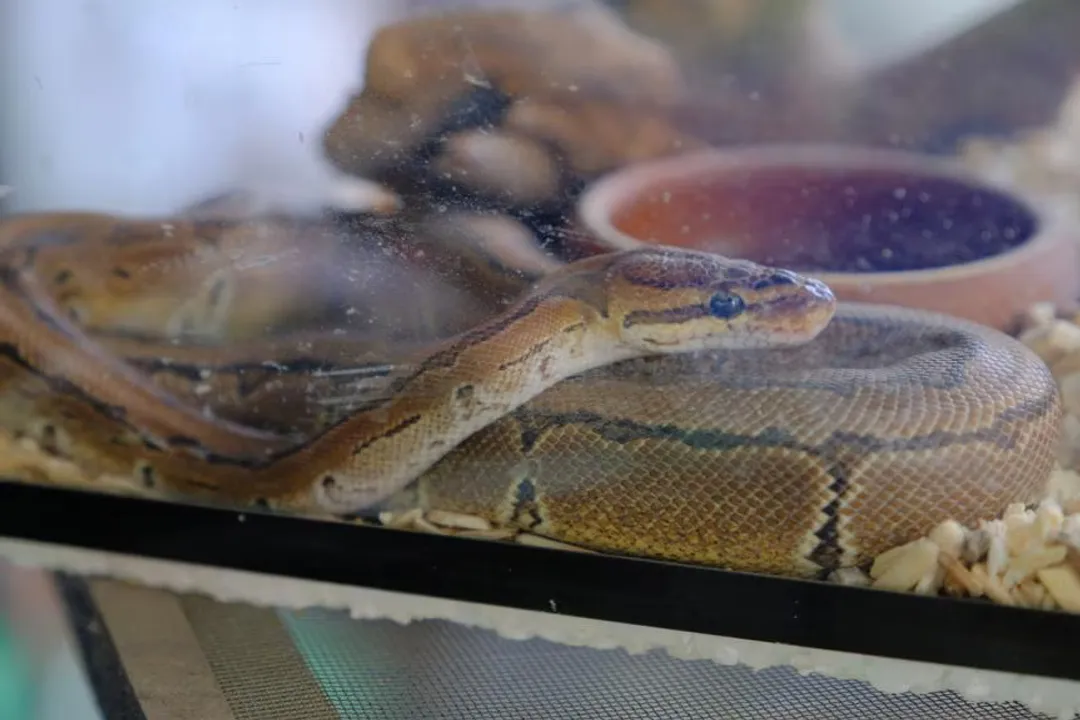
For those keeping snakes as pets, the principles of obligate carnivory remain the same, but the prey selection becomes much more standardized and controlled. [8] The vast majority of common pet snakes, such as ball pythons, boas, and corn snakes, are offered a diet composed almost entirely of laboratory-reared rodents. [1][8] Mice and rats are the staples, often provided in a pre-killed state. [8]
The consistency of the captive diet is essential for health, but it requires a specific approach to preparation. While some wild snakes may opportunistically consume eggs, live prey, or even amphibians, responsible keepers of captive snakes prioritize safety and nutrition. [8] Feeding live prey carries the inherent risk of injury to the snake from bites or scratches, which can lead to severe infection. [8] Consequently, most husbandry experts recommend feeding frozen/thawed prey items. [8] This method allows the keeper to control the prey's nutritional history and ensures the meal is immediately safe for consumption. [8]
One key takeaway for pet owners stems directly from the wild necessity of whole prey. A snake cannot simply live on muscle meat; it requires the bones, organs, skin, and fur of its prey item to obtain essential vitamins, minerals, and fiber. [9] This is why feeding whole, appropriately sized rodents is non-negotiable for long-term health, mimicking the complete nutritional package the snake would receive in the wild. [9] Attempting to substitute processed foods or muscle-only meats, a practice sometimes seen when owners attempt to transition a snake off whole prey, inevitably leads to deficiencies over time. [9]
# Prey Handling
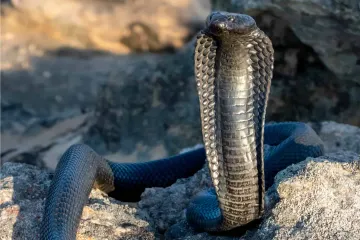
Snakes generally employ one of two primary methods for capturing and subduing their meals: constriction or venom. [2] Most common pet snakes fall into the constrictor category. They wrap their powerful body muscles around the prey, effectively suffocating it or causing circulatory collapse before the meal is swallowed whole. [3] Even after capture, most snakes will hold onto the prey item until it stops moving. [3] Only after the prey is confirmed dead or completely incapacitated does the snake begin the careful process of swallowing, a feat achieved through specialized jaw anatomy that allows for the consumption of objects much wider than the snake's head. [3] While venomous species use toxins to immobilize or kill, the end result—a dead animal ready for consumption—is the same shared outcome across the order Squamata. [2]
Related Questions
#Citations
What Do Snakes Eat? - PetMD
What do snakes eat? - Critter Control
All snakes have an animal-based diet, they never eat ... - Facebook
Do snakes only eat rodents? - Reddit
What is the typical diet of a snake? Do they only eat meat or ... - Quora
Snake Food - Great Basin National Park (U.S. National Park Service)
What Do Snakes Eat? | Seattle Vets - Northgate Veterinary Clinic
Nutrition in Snakes - Management and Nutrition