Is it good to have a rat snake in your yard?
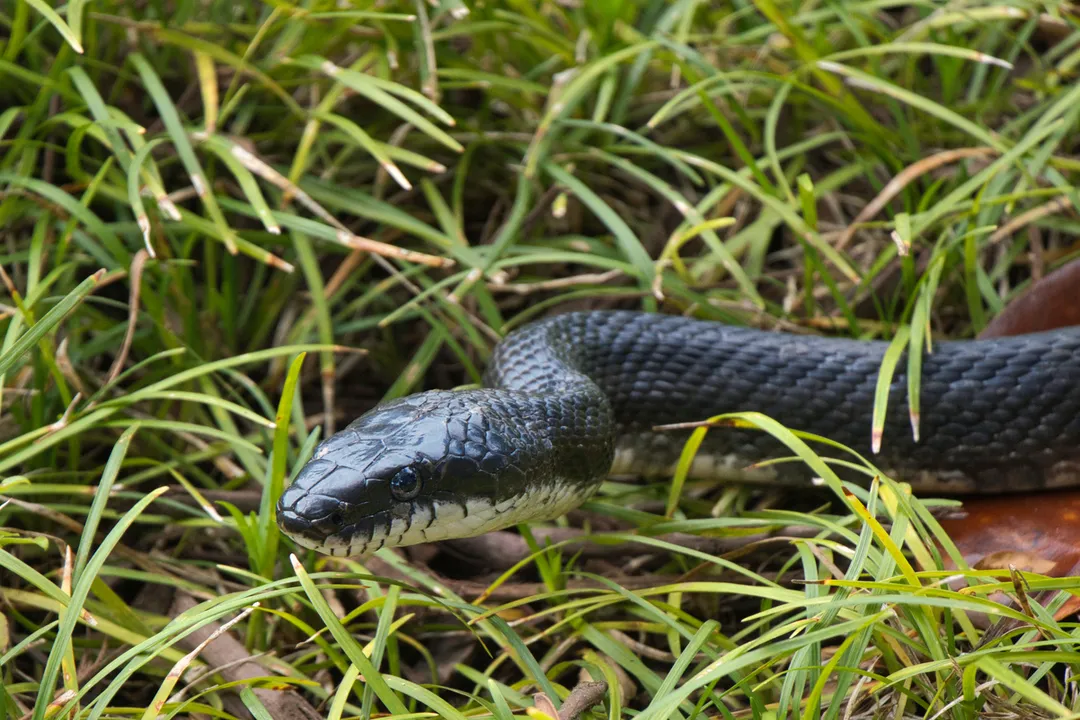
The arrival of a snake in your yard, especially a large one, often triggers an immediate, instinctual reaction, but understanding the species present is the first step toward a peaceful resolution. If that visitor is a rat snake, you might actually have a fantastic, free-of-charge, dedicated member of your property's ecological management team. Experts are clear: reptiles like the rat snake are vital components of the local ecosystem. [1] Far from being a nuisance to be removed immediately, the presence of a rat snake often signals that your yard provides the necessary resources—primarily food—to sustain a natural form of pest control. [2][4]
For many residents, particularly those in areas where snakes like the Eastern Rat Snake are common, seeing one of these large reptiles slithering near the garden or even climbing a structure can cause alarm. [2] However, these snakes, sometimes known as black snakes, are non-venomous and possess a generally docile demeanor. [1][2] They are not interested in people; their focus is entirely on local prey populations, which, for a homeowner, translates directly into fewer rodents causing damage or spreading disease around the property. [2]
# Natural Pest Control
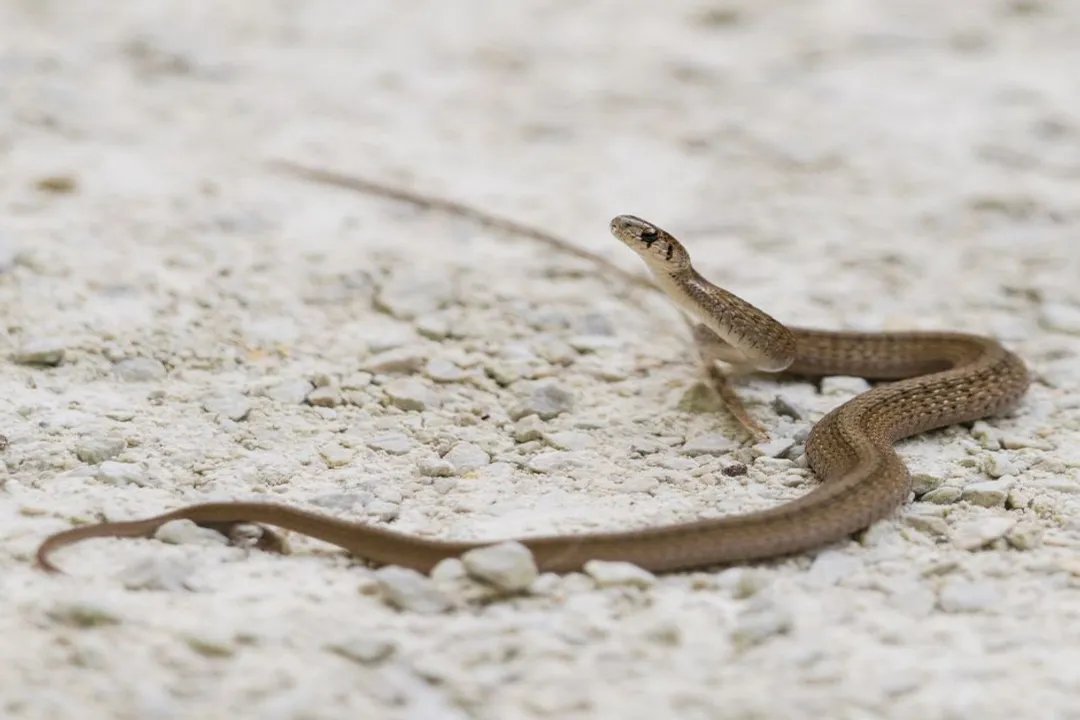
Rat snakes are exceptionally efficient hunters, and their dietary habits make them highly desirable neighbors for anyone tending a garden or maintaining a home structure. [2][5] Their primary diet revolves around the very creatures many people pay exterminators to control: rats, mice, and moles. [2] In essence, having one or two rat snakes on your acreage is akin to having a long-term, self-renewing rodent control service operating 24/7. [4]
The breadth of their appetite extends beyond just mammals. Rat snakes readily consume insects, lizards, and amphibians like frogs. [2][4] Crucially, they are also known to consume bird eggs and nestlings, leading to one of their common names, the "Chicken Snake," in areas where they frequent barns or chicken coops. [4] While this predation on birds might give some pause, it is important to view the snake within the context of the overall food web; they are simply filling a niche that helps keep other populations in check. [1]
If you observe a rat snake lingering around your property, it should not be interpreted as a guarantee that you have an indoor rat infestation, but rather that the local food supply is adequate to support them. [4] In fact, many individuals who host rat snakes report having the opposite of a rodent problem, suggesting these predators actively keep vermin populations suppressed. [4]
When considering the value proposition, think about it this way: professional pest control involves recurring costs—calls for spray treatments, traps, and bait stations. A healthy, resident rat snake population requires no contract, no monthly fee, and their "service charge" is simply the occasional rodent. For a property with acreage, this natural balance, once understood, provides significant, ongoing value that is hard to match with conventional chemical or mechanical controls. [1][2]
# Harmless Presence
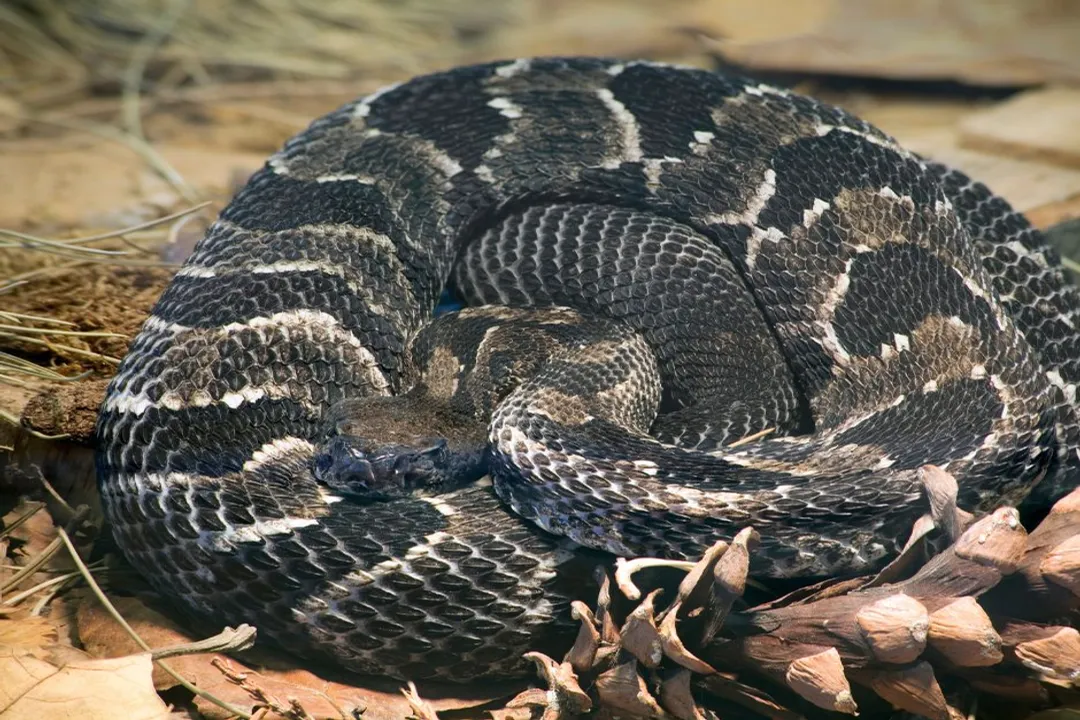
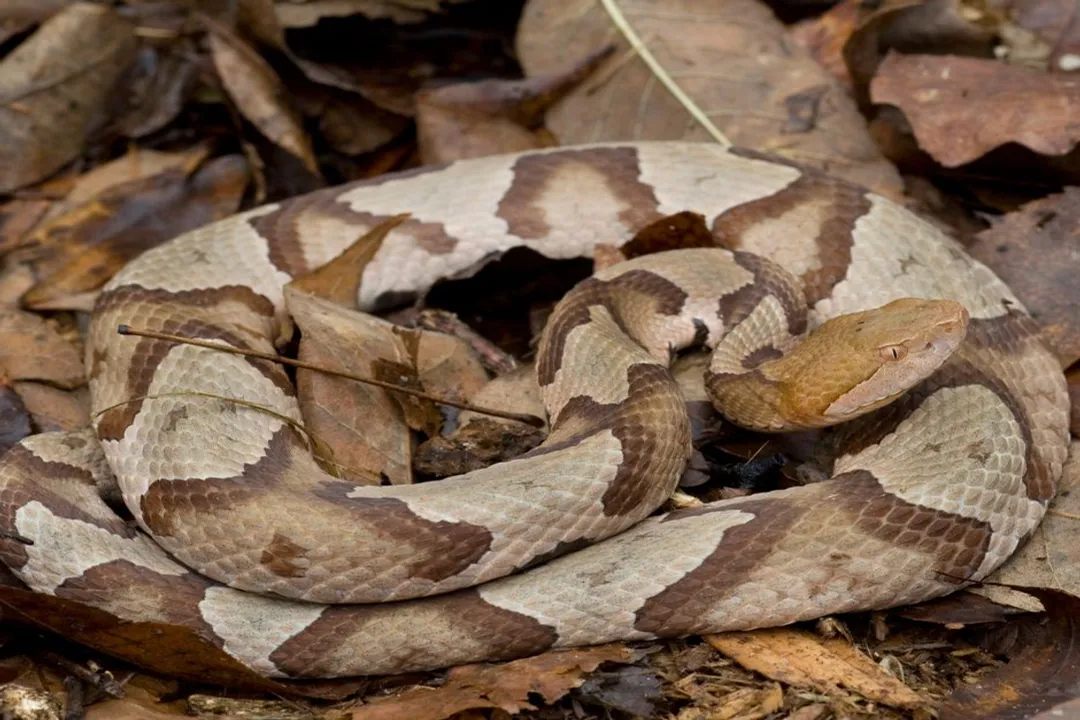
One of the main reasons people fear snakes is the possibility of encountering a venomous species, such as the Eastern Copperhead or Timber Rattlesnake, which are present in regions like Virginia. [2] Understanding the physical characteristics of the non-venomous rat snake is key to reducing unnecessary fear. [1]
Eastern Rat Snakes, often appearing black as adults, typically feature a lighter or white belly. [2] A significant identifying feature, especially when differentiating them from a Copperhead, lies in the patterning. Copperheads display hourglass-shaped crossbands that extend all the way to the sides of their body, whereas the bands on a rat snake do not typically reach the sides. [2]
Rat snakes are known to be excellent climbers due to their arboreal nature, meaning they frequently ascend trees. [2] This is often how they gain access to bird nests, but it also explains why they might turn up in unexpected places like balconies or attics—they are simply following prey or seeking a safe, warm refuge. [1][2] While they can enter structures, they usually prefer the outdoors. [1] If found inside, it is often because they have followed a scent trail or are seeking warmth, and they are just as eager to exit as you are to have them leave. [1]
A common defensive mechanism employed by rat snakes is tail vibration. When threatened, they may rapidly shake their tail against leaves or debris, creating a rattling sound that convincingly mimics a rattlesnake. This behavior is purely defensive—a bluff to deter a potential predator, not an aggressive act toward humans.
# Coexistence Tips
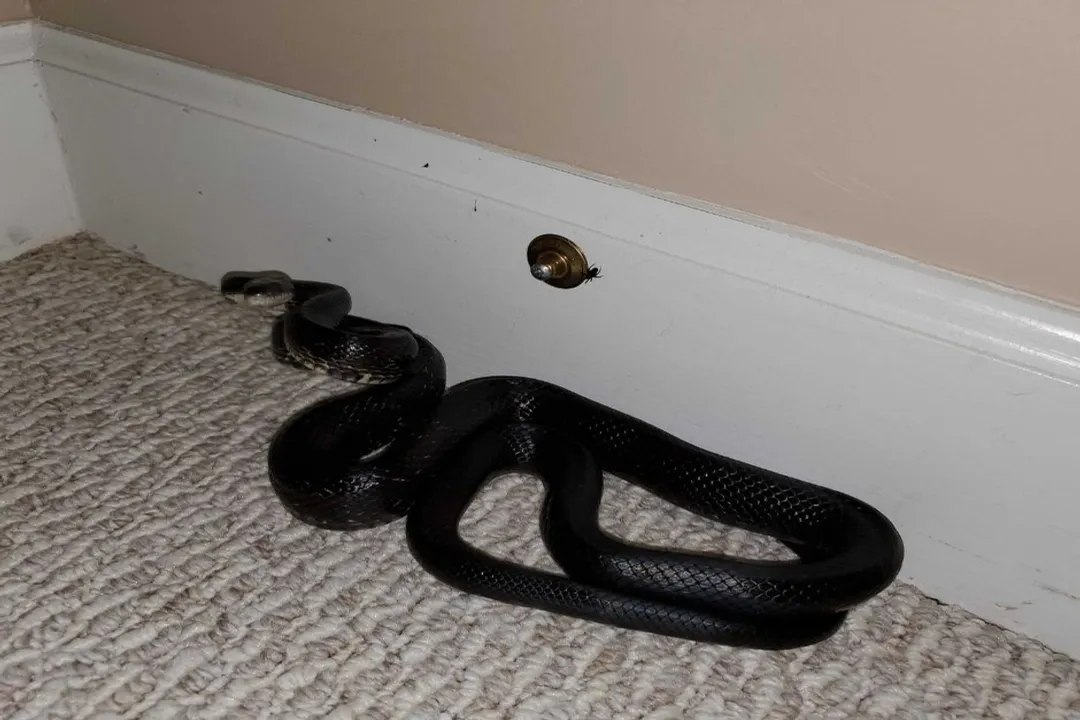
If you discover a rat snake in your yard or even briefly inside your home, the safest and most ethical course of action is to remain calm and allow the animal to retreat naturally. [1][4] Snakes generally perceive humans as large threats and will try to avoid confrontation. [4]
When dealing with a snake inside a building, the recommendation from wildlife experts is to gently encourage it toward an open exit, such as a door, perhaps using a broom as a guide, rather than attempting to handle it. [1] Attempting to physically grab or pick up any wild snake, regardless of whether it is venomous or not, is highly likely to result in a defensive bite. [4] Even a non-venomous bite can be quite painful and risks infection if not treated properly. [4]
It is important to recognize that a snake that chooses to remain on your property is likely doing so because it feels secure and has a ready food source, not because it is seeking out human interaction. [4] For those who are nervous about snakes but appreciate their function, a good approach is to maintain distance and respect their need for space. [4] They are far more likely to retreat into brush, rock piles, or under structures if given the opportunity. [2] If you are concerned about a snake that refuses to leave a specific area, professional, humane removal and relocation services are available to handle the situation without harm to the animal or the resident. [2]
A subtle, yet important, consideration when interacting with or attempting to usher a snake out involves personal products. You should avoid placing anything on the snake that could be harmful, which includes certain chemicals or even common human skin products like heavy sunscreen, as these can interfere with the snake's sensitive skin and overall health. [4] Allowing the snake to move on its own ensures it avoids contaminants that could be more detrimental than a momentary fright. [4]
# Pest Conflict
The presence of rat snakes necessitates a serious re-evaluation of how you manage other pests on your property, particularly rodents. If you are actively using rodenticides, such as anticoagulant baits like D-Con, to eliminate mice or rats, you are creating a severe hazard for your beneficial snake population. [4] When a rodent ingests poison and is subsequently consumed by a rat snake, the snake can suffer secondary poisoning, which can lead to illness or death. [4] This means that by using poisons, you are inadvertently eliminating your best natural defense against future rodent problems. [4]
Furthermore, another commonly suggested method for deterring snakes is the use of glue traps. [4] These traps are indiscriminate, catching and holding not only the intended pests but also non-target wildlife, including helpful snakes, lizards, and sometimes even small mammals like shrews or birds. [4] If a rat snake becomes stuck on a glue trap, it will suffer greatly from dehydration and exhaustion and will attempt to bite in self-defense when rescue is attempted. [4] While specialized methods exist to free trapped snakes using mild oils, preventing the traps from being deployed in snake-frequented areas is the superior strategy. [4]
To truly support the rat snake's presence, one must focus on exclusion and habitat management rather than eradication of the snake itself. If you have a snake frequenting your attic, for instance, the issue isn't the snake, but the accessible entry point and the available prey inside. [2] A practical measure is to seal up potential entry points around your home’s foundation or attic vents, making the structure less inviting for both prey and predator. [2] This creates a clear choice for the snake: remain outside where there are rodents, or leave entirely if the area becomes too tidy. [2] The snake is drawn to the food source, so eliminating that attraction—for example, by keeping compost contained and pet food secured—is the most effective long-term management plan, ensuring the snake stays outdoors where it can control the external pest population. [2]
Related Questions
#Citations
Beneficial Snakes To Have In Your Yard - Critter Authority
Does having Rat Snakes near my house guarantee I have a ... - Reddit
Experts say rat snakes are actually helpful | wcnc.com
Rat Snakes - Arrow Exterminators
There is a Rat Snake out in my back yard