How does the vinegaroon's defense mechanism compare to that of venom-dependent predators?
Answer
It utilizes a high-volume, non-proteinaceous chemical deterrent
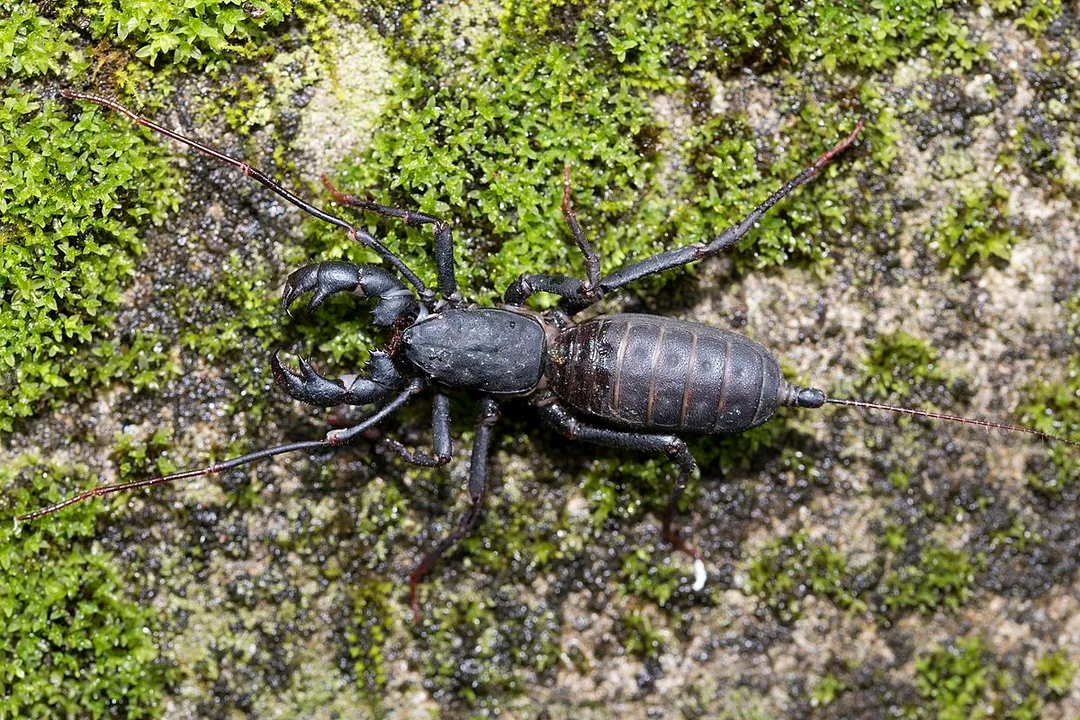
The vinegaroon represents an evolutionary pathway that prioritizes a high-volume, easily replenished chemical deterrent over the complex, protein-based neurotoxins used by many other arachnids. Producing acetic acid is metabolically distinct from synthesizing venom peptides. This defensive strategy is highly effective for survival, allowing the creature to deter aggressors without the metabolic cost of maintaining a complex, fast-acting venom system.
#Videos
What Exactly Is: Vinegaroon | Loved and Feared - YouTube
Related Questions
Why is the common designation of whip scorpion considered misleading for the vinegaroon?What specific chemical substance is primarily responsible for the defensive spray of the vinegaroon?To which biological order do vinegaroons, also known as Thelyphonida, belong?What defines the reproductive strategy of the female Mastigoproctus regarding its offspring?What is the anatomical nature of the flagellum found on the vinegaroon?Why are vinegaroons described as nocturnal creatures in their arid habitats?How do vinegaroons typically immobilize their prey during foraging?How does the vinegaroon's defense mechanism compare to that of venom-dependent predators?Which species is frequently cited as the primary example of the vinegaroon group?What behavioral adaptation helps vinegaroons survive the environmental challenges of dry deserts?