How does the smaller average size of the Yellow Bullhead influence its utilization of habitat structure?
Answer
It allows access to tighter cover and shallower littoral zones
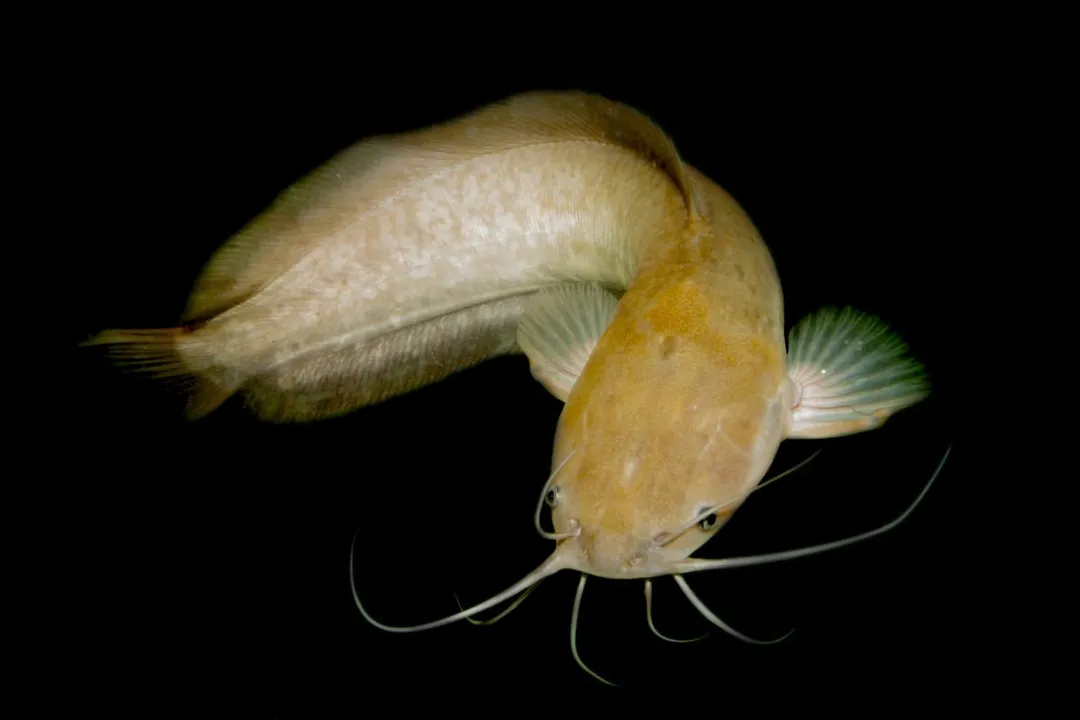
The relatively smaller stature of the Yellow Bullhead, especially when compared to apex catfish like the Flathead or Blue Catfish, grants it a significant advantage in habitat partitioning. This size difference enables the Yellow Bullhead to navigate and utilize tighter spaces, such as dense submerged logs, stumps, or thick vegetation, and access shallower littoral zones that larger predators cannot easily maneuver within. By exploiting these smaller niches, they reduce direct, aggressive competition for resources and safety from the larger, apex catfish species that dominate deeper or more open waters.
Related Questions
What is the typical coloration of the Yellow Bullhead's belly region?How many sensory barbels surround the mouth of the Yellow Bullhead, aiding in dark environments?How does the tail fin morphology of the Yellow Bullhead generally compare to that of a Channel Catfish?What is the usual range of soft rays found in the long anal fin of the Yellow Bullhead?Yellow Bullheads thrive best in which specific type of water flow condition?What significant advantage regarding aquatic respiration does the Yellow Bullhead possess over many salmonids?What does a large population density of Yellow Bullhead potentially indicate about a pond's ecological status?How does the smaller average size of the Yellow Bullhead influence its utilization of habitat structure?What key dietary trait defines the feeding strategy of the omnivorous Yellow Bullhead?Why are strong scent profiles crucial for effective bait presentation when targeting Yellow Bullheads in murky water?