Yellow Crazy Ant Locations
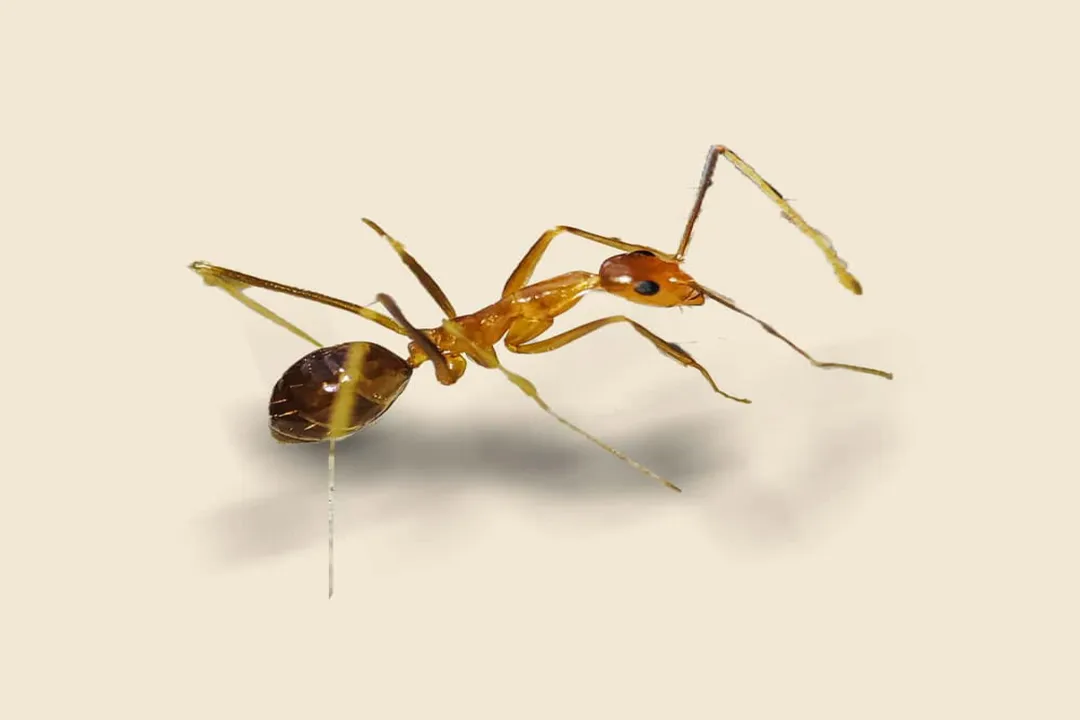
The presence of the Yellow Crazy Ant, Anoplolepis gracilipes, is a significant biosecurity concern across several global regions, extending far beyond its native range in Africa and parts of Asia. While initially appearing innocuous, their highly aggressive and prolific nature means that understanding where they are found—both ecologically and geographically—is critical for prevention and management efforts. This species has established itself in numerous island ecosystems and is actively monitored in continental areas due to its devastating impact on native invertebrate communities and ecosystem function.
# Global Spread
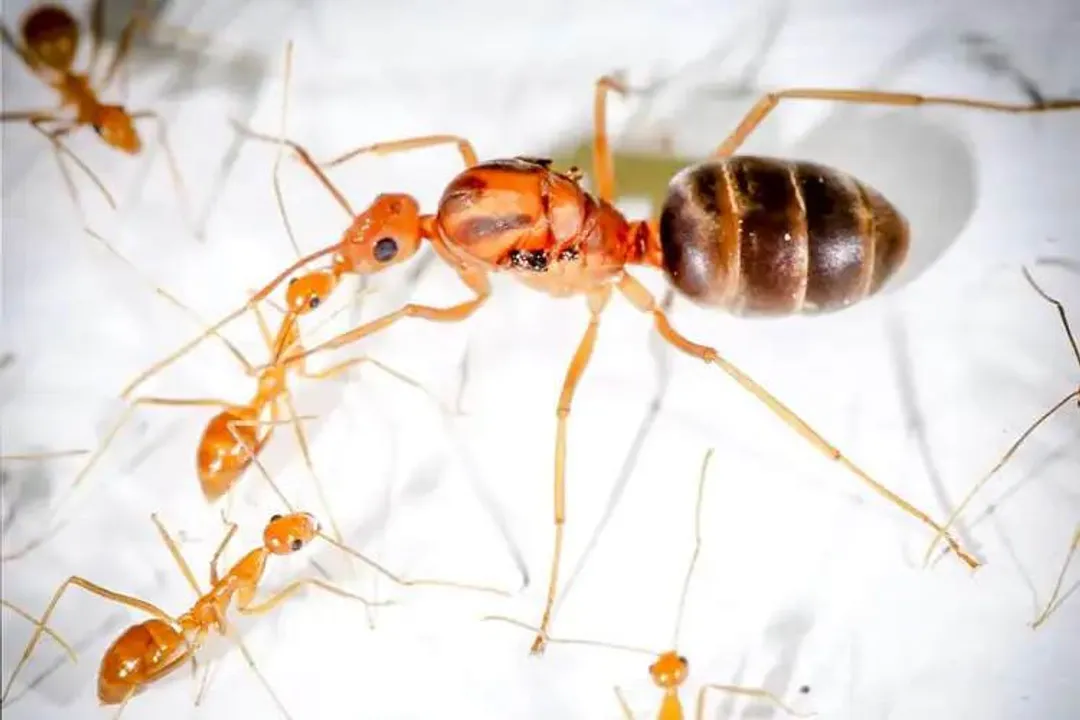
The native origins of the Yellow Crazy Ant point primarily to areas within Africa and parts of Asia. However, introductions, often accidental through human trade and transport, have led to established, invasive populations elsewhere. For instance, they are recognized as an invasive pest in many tropical and subtropical regions worldwide. Research efforts, sometimes conducted at field stations dedicated to invasive species, track these distribution patterns to predict future risks. The appearance of these ants in new areas often correlates with the movement of goods or plant material from infested zones.
# Australian Distribution
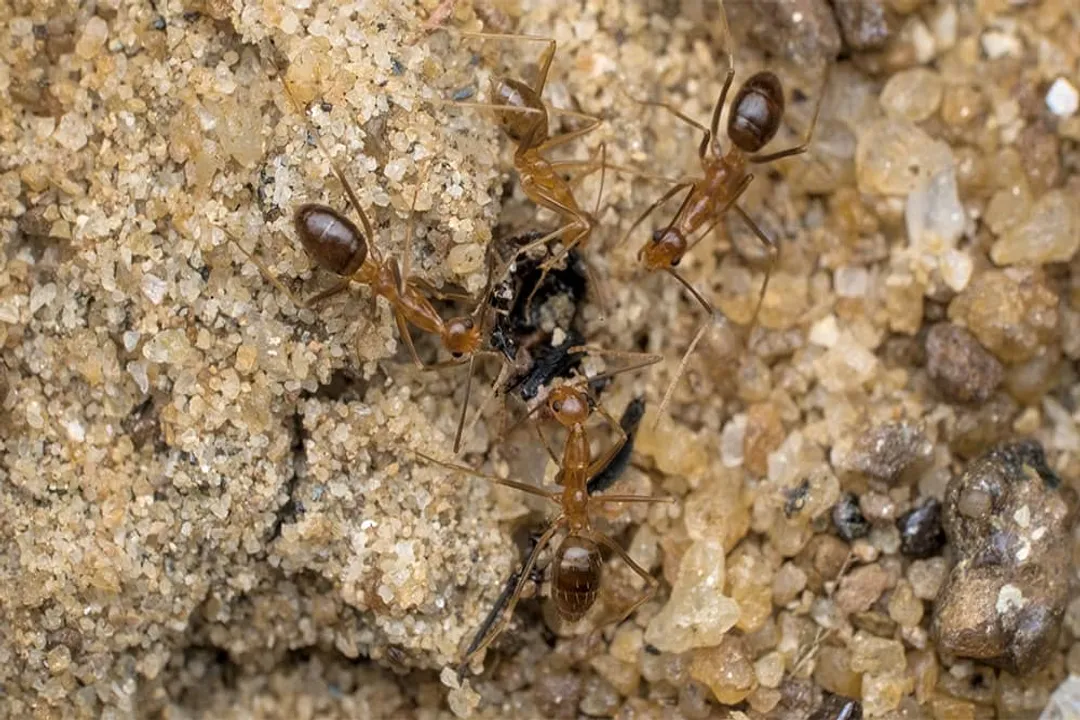
Australia represents a major front in the management of this invasive species, with established populations and ongoing vigilance across several states and territories. Biosecurity agencies treat the Yellow Crazy Ant as a serious restricted pest, meaning its movement and spread are strictly controlled under legislation.
# Queensland Areas
Within Queensland, specific regions have borne the brunt of established infestations. The Wet Tropics region, famous for its high biodiversity, is a key focus area where intensive eradication programs have been implemented. These eradication zones represent areas where the species has been successfully identified and targeted for removal to prevent further ecological damage. The designation of the Yellow Crazy Ant as a restricted pest in Queensland reinforces the necessity for residents and businesses to report any sightings immediately, as ongoing management relies on comprehensive local knowledge.
# New South Wales Risk
New South Wales (NSW) maintains a high alert status regarding this species. While the climate in much of NSW may not be as suitable for massive, year-round colonization as the northern tropics, isolated incursions or localized outbreaks remain a significant threat. Surveillance programs in NSW focus on early detection, particularly in port areas or regions near the Queensland border, where accidental transport could introduce the species. The mapping data related to known sightings often highlights these boundary areas as critical monitoring points.
# Monitoring Maps
Geographic information systems (GIS) are frequently employed to visualize and track the known spread of the Yellow Crazy Ant. These spatial data sets often reveal clusters of confirmed detections, which can be crucial for allocating pest control resources effectively. Reviewing these distribution maps frequently shows that once established, the ants tend to radiate outwards from initial introduction points, creating a complex pattern of infestation across the landscape.
It is interesting to note the contrast in management strategy dictated by location; in the Wet Tropics, the focus is aggressive, area-wide eradication based on intensive baiting and monitoring. Conversely, in states like NSW, where establishment is not yet widespread, the priority shifts towards containment and rapid response to prevent the conditions seen further north from developing. This difference in operational response, driven entirely by the current location and density of the ant population, shows how location defines biosecurity action.
# Where They Live
Understanding the physical locations these ants prefer to inhabit—their ecological niche—is as important as knowing the geographical boundaries of their presence. Yellow Crazy Ants thrive in warm, moist environments, which explains their success in tropical and subtropical zones.
# Structural Infestations
When they invade human-modified environments, Yellow Crazy Ants demonstrate a strong affinity for structures and equipment. They are notorious for nesting in various concealed, sheltered spots:
- Under paving stones or concrete slabs.
- Inside wall voids and under floors.
- Within irrigation systems or landscaping features.
A particularly damaging aspect of their habitat preference involves electrical infrastructure. They are frequently found nesting in or around electrical switch boxes, meters, and communication conduits. This behavior is often linked to their tendency to "farm" honeydew-producing insects, like scale insects, which are often found on nearby foliage, but the physical nesting in equipment is a direct threat to infrastructure integrity. When large numbers of these ants swarm electrical equipment, the ensuing activity, potentially involving corrosive formic acid secretion, can cause short circuits, leading to equipment failure and even fire hazards.
# Outdoor Habitat
Outside of structures, their nesting sites are diverse. They often form large nests in soil, under debris, or within dense vegetation, sometimes creating mounds. They require shelter but also access to resources, meaning they frequently establish colonies near water sources or areas with high insect populations that serve as their primary food source. If you find an area teeming with scale insects on garden plants or trees, the likelihood of finding a significant Yellow Crazy Ant colony nearby increases considerably, as the ants fiercely defend these "livestock" against predators. This mutualistic relationship dictates where management efforts should be intensely focused—follow the honeydew trail, and you often find the nest origin.
# Risk Zones and Movement
The very nature of the Yellow Crazy Ant’s spread dictates the highest-risk locations for new introductions. They are poor long-distance travelers on their own, relying instead on human assistance to colonize new areas.
# Transport Vectors
High-risk locations are those associated with the movement of materials from known infested areas. This includes:
- Ports and Shipping Centers: Areas where imported goods are handled are prime entry points for hitchhiking queens or small starter colonies.
- Nursery and Garden Supply Chains: The movement of potted plants, soil, mulch, and landscaping materials provides easy transport for ants, particularly to suburban and semi-rural properties.
- Construction Sites: Disturbing soil or bringing in raw materials (like gravel or timber) from infested zones can inadvertently relocate nesting material.
For homeowners managing properties that border heavily infested natural bushland, or those who have recently introduced new landscaping from a distant, potentially contaminated source, paying close attention to sheds, retaining walls, and utility entry points becomes a preventative best practice. Recognizing the difference between a small, localized nest and a multi-colony network that has begun 'super-colony' formation is key; the latter typically correlates with locations near busy transport corridors or long-term, unmanaged infestations.
# Identifying the Edge
For those living near or adjacent to known control zones, such as those within the Wet Tropics management area, understanding the characteristics of the edge of an established population is vital. Ants on the periphery of a large established site might exhibit slightly different foraging behaviors or colony structures as they test new territory compared to ants deep within the established core area. These peripheral zones are where community surveillance efforts have the greatest impact, as early detection at the boundary prevents the costly and difficult process of controlling a mature, widespread infestation. If you suspect an incursion in an area previously considered 'clear' or adjacent to a known site, documenting the precise location with GPS coordinates and photographing the ants is the immediate first step, as the administrative tracking of these locations dictates the official response level from biosecurity teams.
Related Questions
#Citations
Yellow crazy ant - Invasive Species Council
Crazy Ants - Texas Field Station Network
Yellow Crazy Ant - Hearts Pest Management
Anoplolepis gracilipes - AntWiki
Yellow crazy ant | Business Queensland
Yellow Crazy Ant Eradication Program
Yellow crazy ants - NSW Department of Primary Industries
Yellow Crazy Ants Anoplolepis Gracilipes: A How-to Care Guide
Yellow Crazy Ant Infestation Areas Map - Overview - ArcGIS Online